Discover how Viking Vietnam connects operator, technical, QC and IE training with manufacturing capability, quality control and workplace compliance.
At Viking Vietnam, developing the team is tied to specific work inside the factory. Operators are given a training path, job instruction on video and support from the line leader, IE, technical and QC. The allocation of operations is also set according to each person's skill level. HP Viking
This approach gives training a clear purpose: that the worker has a method to follow, someone to turn to, and an understanding of the responsibility attached to their position. For a customer placing production, this is an important part of examining how Viking prepares its people for an order.
Training capability should be read through the link between job instruction, quality checking and accountability for execution, rather than through a count of training sessions.
1. Instruction by operation, support directly on the line
In the information addressed to production operators, Viking describes work that is taught step by step, with specific video for each position and support from the specialist team on the line. Workers are also encouraged to contribute suggestions for improving the work. HP Viking
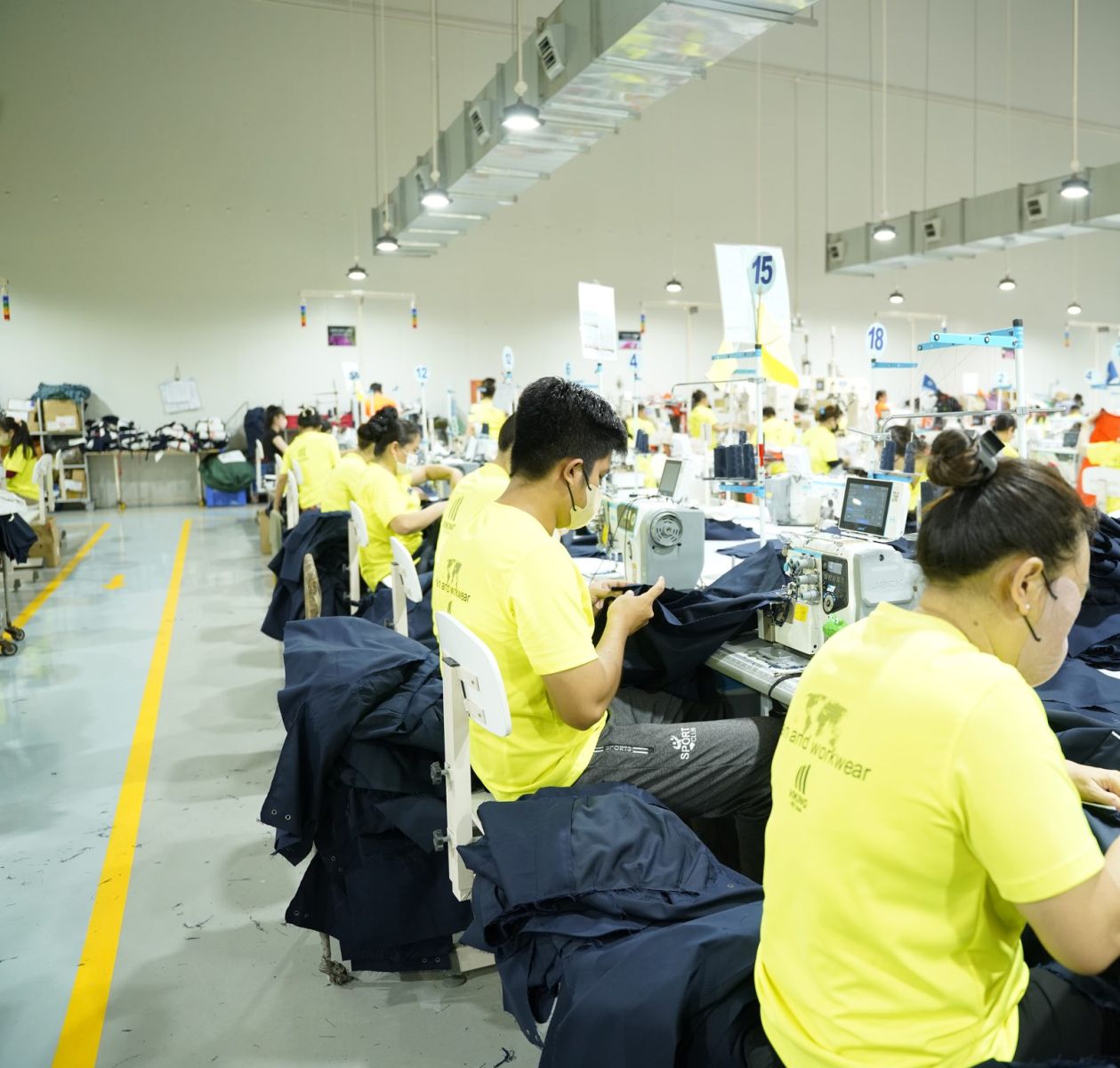
What is notable is the combination of written instruction and direct support. The video provides something to refer to, while the line leader, technical, IE and QC are the points of contact for discussing difficulty at an operation.
Seen from production, this is what ties learning to the requirement being executed. An operator does not only receive a task, but also has a channel for clarifying the method and the standard to be met.
2. Technical training tied to the documents used in production
The scope of work for a technical documentation member at Viking includes building consumption calculations, material and trim cards, measurement charts, technical standards and packing requirements, together with coordinating production and taking part in approving the first line sample. Viking also states training and professional development opportunities for this position. viking-vietnam.vn
Those tasks show that technical capability has to be developed through usable outputs: a clear material card, a complete production instruction, or a packing requirement that is precisely defined.
For the customer, the significance is that a product requirement has a specialist function responsible for turning it into working information. Technical training therefore has to serve the ability to understand a requirement and convey it to the right person.
3. QC and final inspection are developed around specific checking responsibilities
At Viking, the job description for inline QC covers checking quality at the operation, comparing against standards and samples, checking the first line sample, reporting quality results and guiding final inspection. The position is stated to include advanced professional training. viking-vietnam.vn
For the final inspection role, the tasks focus on inspecting finished garments, measuring to QC instruction, requesting handling of defective goods and reporting results accurately. Viking also states training for candidates without experience and skill development for the position. viking-vietnam.vn
This separation gives training a clearer basis: QC has to understand the standard and the control points; final inspection has to follow the instruction, identify deviation and record the result. The two roles are related but should not be treated as the same job.
4. IE puts operation experience into a production library
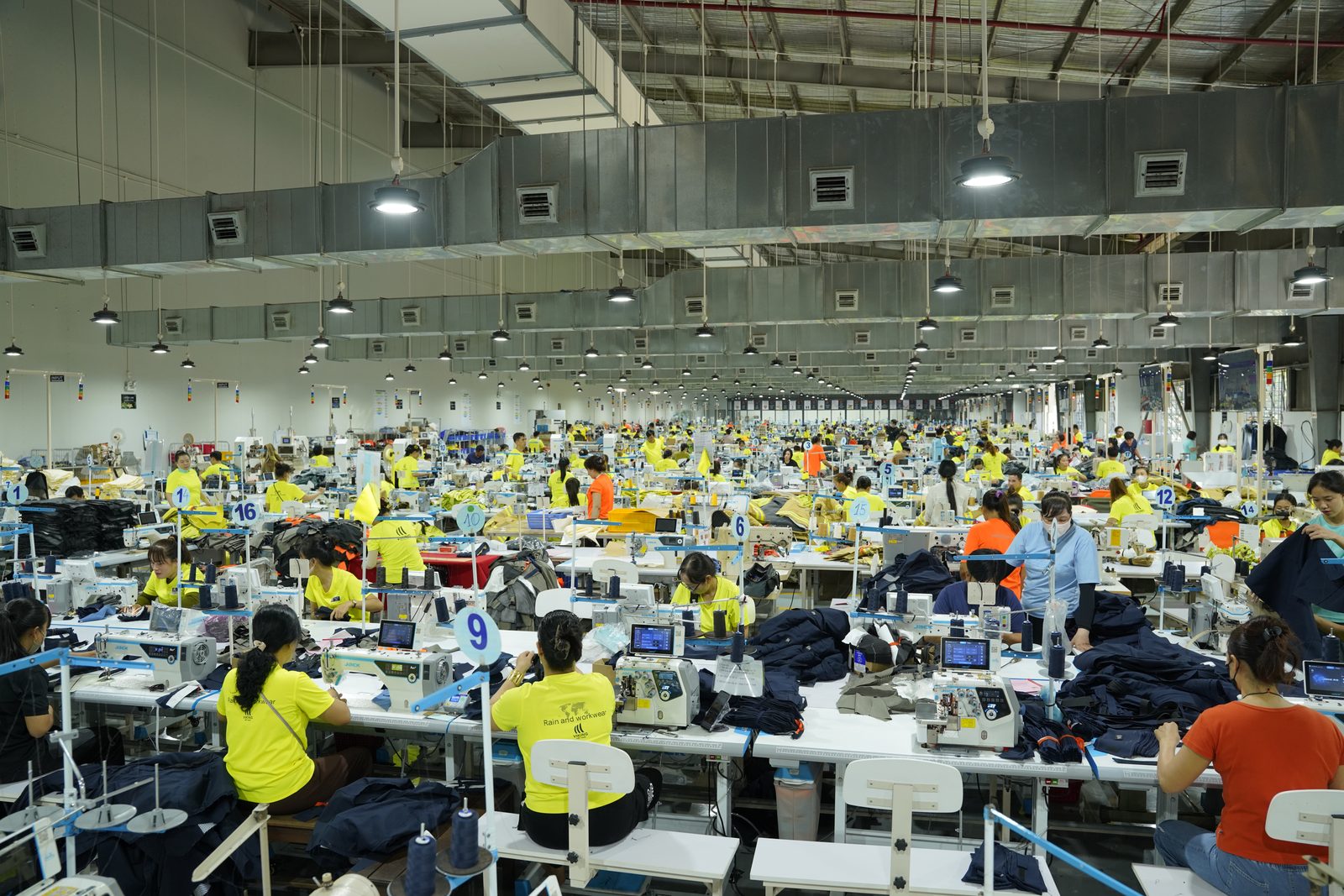
Alongside writing sewing processes, defining machine requirements, designing line layout and tracking output, Viking assigns IE the task of filming video and maintaining a production library. The professional requirements for the position also include analysing assembly sequence and allocating operations according to operator skill. viking-vietnam.vn
This is a concrete link between operations and internal training. Experience at an operation has a function responsible for recording it, rather than being passed verbally between individuals.
From a knowledge management point of view, a production library can become a reference for instruction and improvement. The value to aim for is a method described clearly enough to discuss and to compare against what actually happens in execution.
5. Safety training is written into Viking's policy
In its Quality and Social Responsibility Policy issued on 20 July 2025, Viking sets out communicating the procedures for handling hazards and workplace accidents, and holding periodic annual safety training for all staff. The policy also commits to communicating and updating information so that workers understand their rights and responsibilities. viking-vietnam.vn
Viking's training direction therefore does not concern production technique alone. Safety knowledge and workplace responsibility are also defined in company policy.
This is the foundation for connecting working capability with compliance requirements. A worker has to be shown both how to perform the work and how to raise a concern when conditions are not right.
6. Managers are responsible for communicating and sustaining compliance
Viking's business ethics policy requires managers to help employees understand their responsibilities, to convey the importance of compliance, and to create conditions in which employees can raise issues. The policy also does not permit a manager to pursue business results in disregard of the law or of company rules. viking-vietnam.vn
This places the duty to instruct on management as well, not only on the people performing the work. Training therefore has to go together with how work is assigned, how questions are answered and how situations are handled during the day.
For an international partner, this is a point that can be checked when examining Viking's management system: compliance responsibility is assigned to the head of the function, rather than left to operators to remember the rules on their own.
7. The value for customers: a basis for assessing capability to execute
From what Viking publishes, three connected foundations are visible: job instruction for production people, professional development by position, and defined responsibility for safety and compliance.
For a customer, these create a basis for a deeper discussion about a specific order: which operation needs suitable people, which instruction is used, who supports execution and who checks the result.
Confidence does not have to come from a promise that production will never meet difficulty. It is built on requirements having someone responsible for them, and a team having a method for executing, checking and responding.
Training to strengthen manufacturing capability over time
Internal training at Viking can be read through three focal points:
- Ability to execute: instruction by operation and support for the worker on the line.
- Ability to control: professional development for technical, QC, final inspection and IE around specific tasks.
- Compliance responsibility: communicating safety requirements, rights and obligations, together with the manager's duty to instruct.
This approach ties people development to the real requirements of the factory and of the manufacturing relationship.
Connect with Viking Vietnam
Talk to Viking Vietnam about your technical requirements, your production plan and the control points of your order, so that a suitable execution approach can be built together.
Clarifying requirements from the outset gives both sides a basis for agreeing which capabilities have to be brought in, what has to be taught, and what result has to be confirmed at each stage of production.