Explore how Viking Vietnam connects safety training, work instructions and management responsibility in its garment manufacturing operations.
Viking Vietnam states occupational safety as a priority in its production environment. In the information addressed to operators, the company describes job instruction for each position, support from the line leader, IE, technical and QC, and encourages workers to contribute suggestions for improving the work. hpviking.com
For a customer placing production, this is an aspect to be considered alongside technical capability. An execution approach has to make clear how the operator is instructed, who supports them on the line, and where a problem is reported.
The operating question is therefore not only how many garments have to be completed. It is also how the work is organised so that people have enough information, enough support and clear responsibility while doing it.
1. Safety training is defined in company policy
In its Quality and Social Responsibility Policy issued on 20 July 2025, Viking commits to maintaining an occupational safety committee, holding periodic annual training, and communicating the procedures for handling hazards and accidents to workers. Viking Vietnam
This defines both the organising function and the duty to communicate. Training is not aimed only at workers knowing the rules, but at helping them recognise a situation and find the right place for support.
For a partner, the policy is a basis for discussing implementation: what is taught, which positions take part, and which records can be examined during a factory audit.
2. Job instruction goes together with direct support
Viking describes allocating operations to match skill level, training along a defined path, and using video job instruction. Workers have specialist contacts on the line to turn to when they meet difficulty. hpviking.com
What is notable is that the instruction material does not stand apart from the people who support. When a method is unclear, having a video to refer to has to come with the ability to ask technical or the line leader.
From a production organisation point of view, this is the basis for assessing how ready an operator is. Assigning an operation should go together with the instruction and the check required, rather than assuming the worker fully understood after one conversation.
3. IE connects the operation requirement to machines and skill
Within the scope Viking publishes, IE is responsible for defining machine requirements, designing the line layout, balancing operations and coordinating execution timing. The professional requirements also include allocating operations according to operator skill and maintaining a video production library. Viking Vietnam
These tasks place line organisation on several bases at once: product construction, the equipment required, and the capability of the people executing it. For a new style, these have to be considered together.
Sound layout does not replace a specialist safety assessment. It does, however, create a basis for identifying what needs further instruction, what equipment has to be prepared, and which operations need support before production starts.
4. Workers are asked to report risks, not only incidents
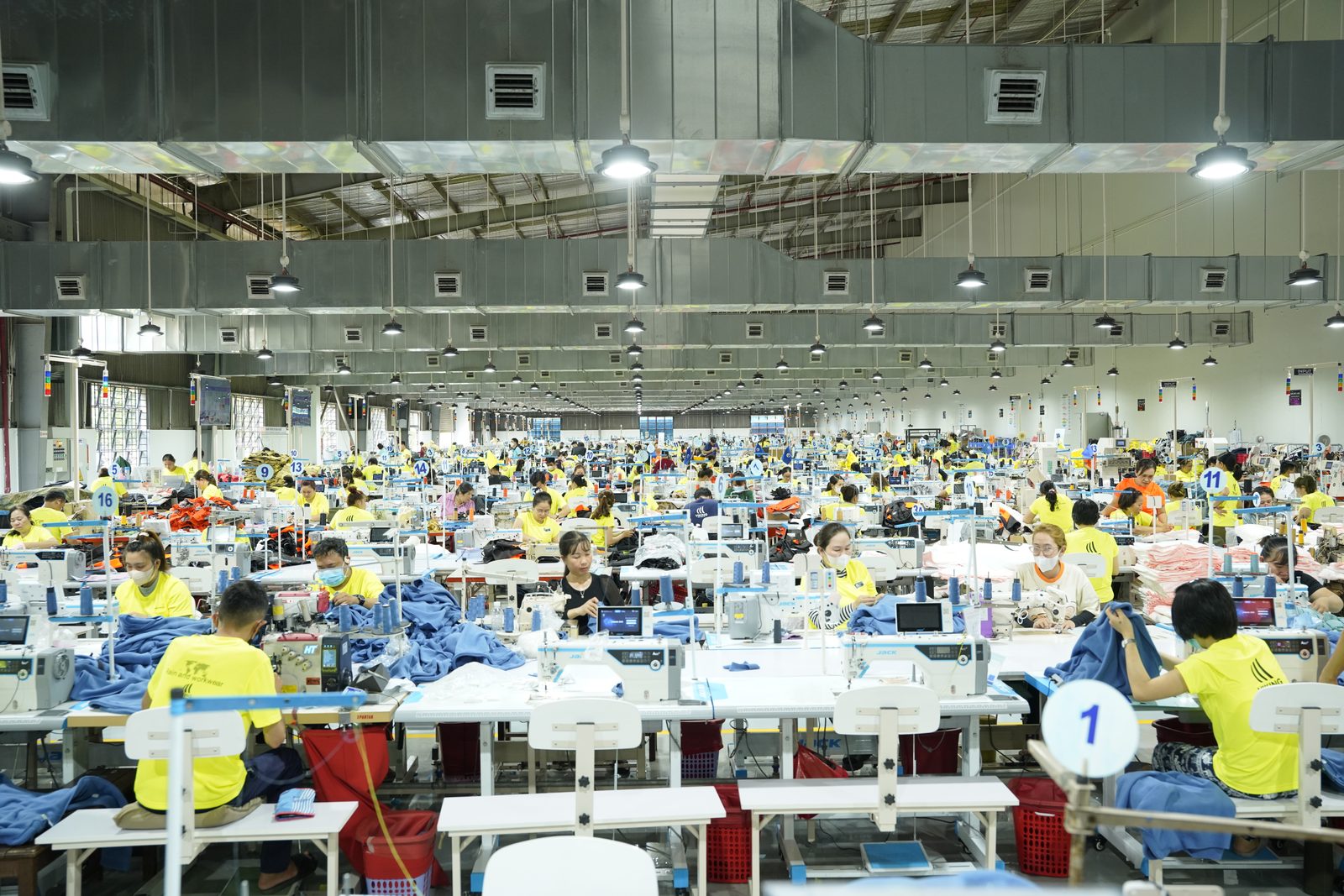
Viking's business ethics policy requires employees to report accidents, risks and unsafe conditions promptly to their manager or to HSE, the health, safety and environment function. The policy also allows anonymous reporting and prohibits retaliation against anyone who reports a violation. Viking Vietnam
The important point is that the scope of reporting is not limited to an incident that has already happened. A worker can raise information when they see a risk that needs examining.
A reporting channel only means something when the person using it knows who to tell and can raise an issue without fear of being penalised. That has to be communicated clearly in internal instruction.
5. Compliance responsibility rests with management as well
Viking requires managers to explain compliance responsibility, receive questions and intervene when a violation occurs. The policy does not permit pursuing business results in disregard of the law or of company rules. Viking Vietnam
Compliance is therefore not a requirement placed only on operators. How work is assigned, how questions are answered and how decisions are taken by management all sit within that responsibility.
When difficulty arises, the question to resolve is which approach meets the work requirement within what is permitted. Output pressure is not a reason to pass over something that has not been clarified.
6. The production plan has to respect working time principles
In its 2025 policy, Viking commits to no forced overtime, with overtime worked on a voluntary basis and within legal limits. The company also prohibits harsh treatment of workers in any form. Viking Vietnam
These commitments belong in the discussion about capacity and order schedule. When a requirement changes, the response has to be considered alongside actual resources, rather than simply passing the pressure down to the line.
For a customer, agreeing execution conditions early is the practical way to connect a delivery plan with responsible production.
7. Manufacturing capability has to be assessed with its conditions
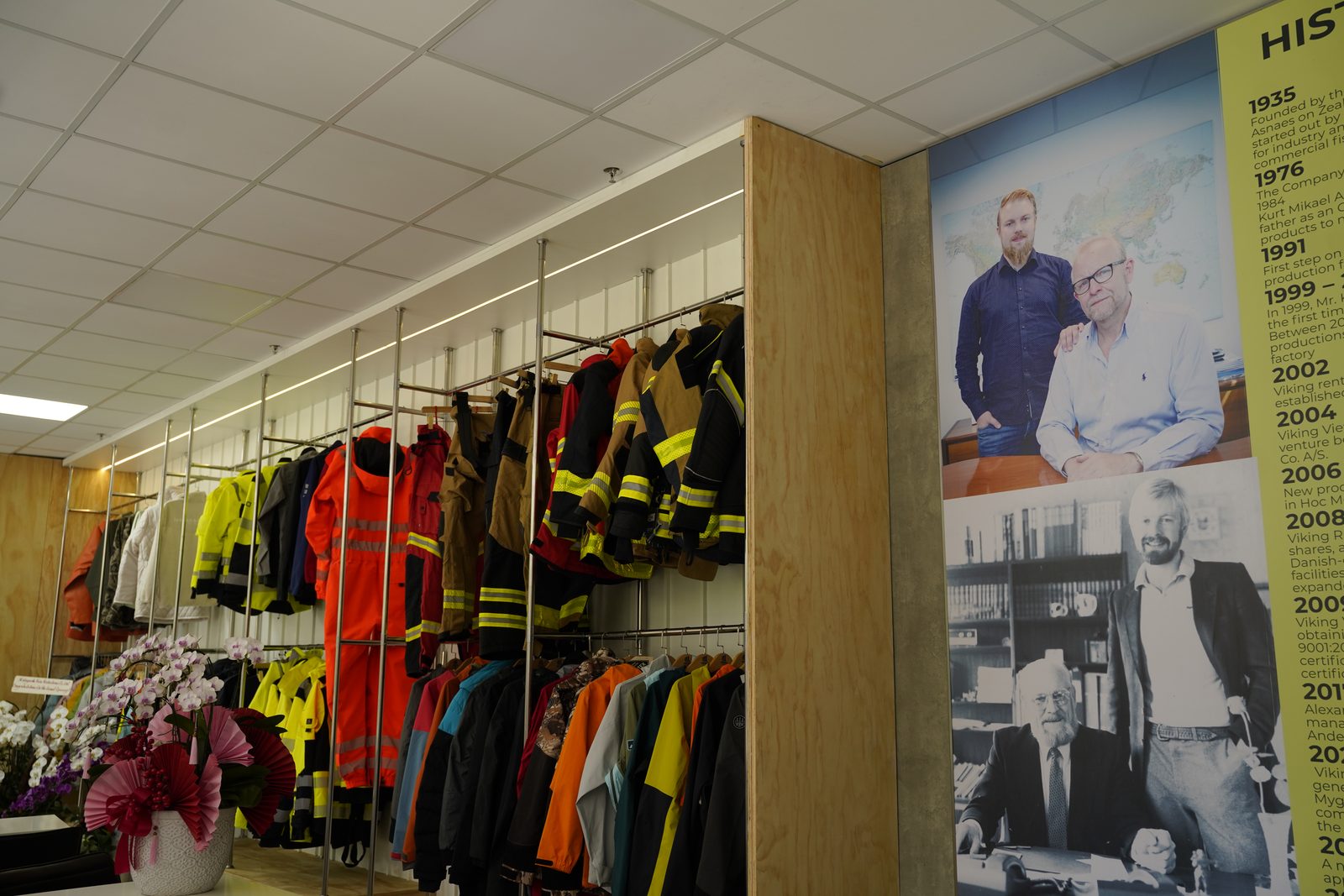
Viking presents its strengths in waterproof jackets with taped and welded seams, and in workwear. The company also states that it welcomes independent audits of its manufacturing facility. Viking Vietnam
This is a basis for a customer to look at both the product and the system behind it. Alongside samples, equipment and procedures, an audit can clarify how workers are instructed, how responsibility is assigned and how information from the floor is handled.
A published policy states what the company requires; the degree of implementation has to be checked against records and direct observation. Keeping those two apart gives the discussion between Viking and a partner a firmer basis than a general commitment.
What a customer can discuss with Viking
When examining operational capability, a customer can focus on three subjects:
- Instruction and training: how is the operator prepared for the operation assigned to them?
- Responsibility on the floor: who receives, examines and responds when a risk appears?
- Order execution conditions: how is the production plan agreed so that it fits the resources and the labour principles?
These questions connect safety to how the factory organises work, and give assessment and cooperation a concrete basis.
Connect with Viking Vietnam
Talk to Viking Vietnam about your product requirements, your order plan and your supplier assessment criteria, so that a suitable execution approach can be defined together.
Clarity on technique, training and responsibility on the floor is the foundation for building a manufacturing relationship that is both controlled and responsible towards the people doing the work.