Explore how Viking Vietnam assigns inline QC, finished garment inspection and QA AQL responsibilities to control quality before shipment.
At Viking Vietnam, the production process is presented with control steps running from incoming materials and sample development through to production and inspection before packing. On technical apparel, matters such as stitching, waterproof performance and seam tape adhesion are placed within the product control requirements. viking-vietnam.vn
What a customer needs to look into more closely is how inspection responsibility is assigned. At Viking, the scope of work for inline QC, finished garment inspection and QA AQL is defined separately, from checking on the line through to joining the final inspection with the customer or a third party. viking-vietnam.vn
That separation creates a basis for discussing order quality concretely: who inspects, against which document, how the result is reported, and where an issue is passed for handling.
1. Agreeing the technical basis before inspecting the product
In the process Viking publishes, the sample is made in approved materials. Stitching, seam tape position, zippers and other details are compared against the technical requirement, and the sample is then sent to the customer for feedback. Moving into production preparation, merchandising and technical check the material and trim list against the confirmed sample. viking-vietnam.vn
From the customer's side, the value of this step is that it establishes a common basis before execution begins. Inspection needs a clear reference requirement rather than each person judging from their own experience.
An agreed sample, document set and material list is the starting point for every quality control position to understand what the product has to achieve.
2. Inline QC controls quality at the line
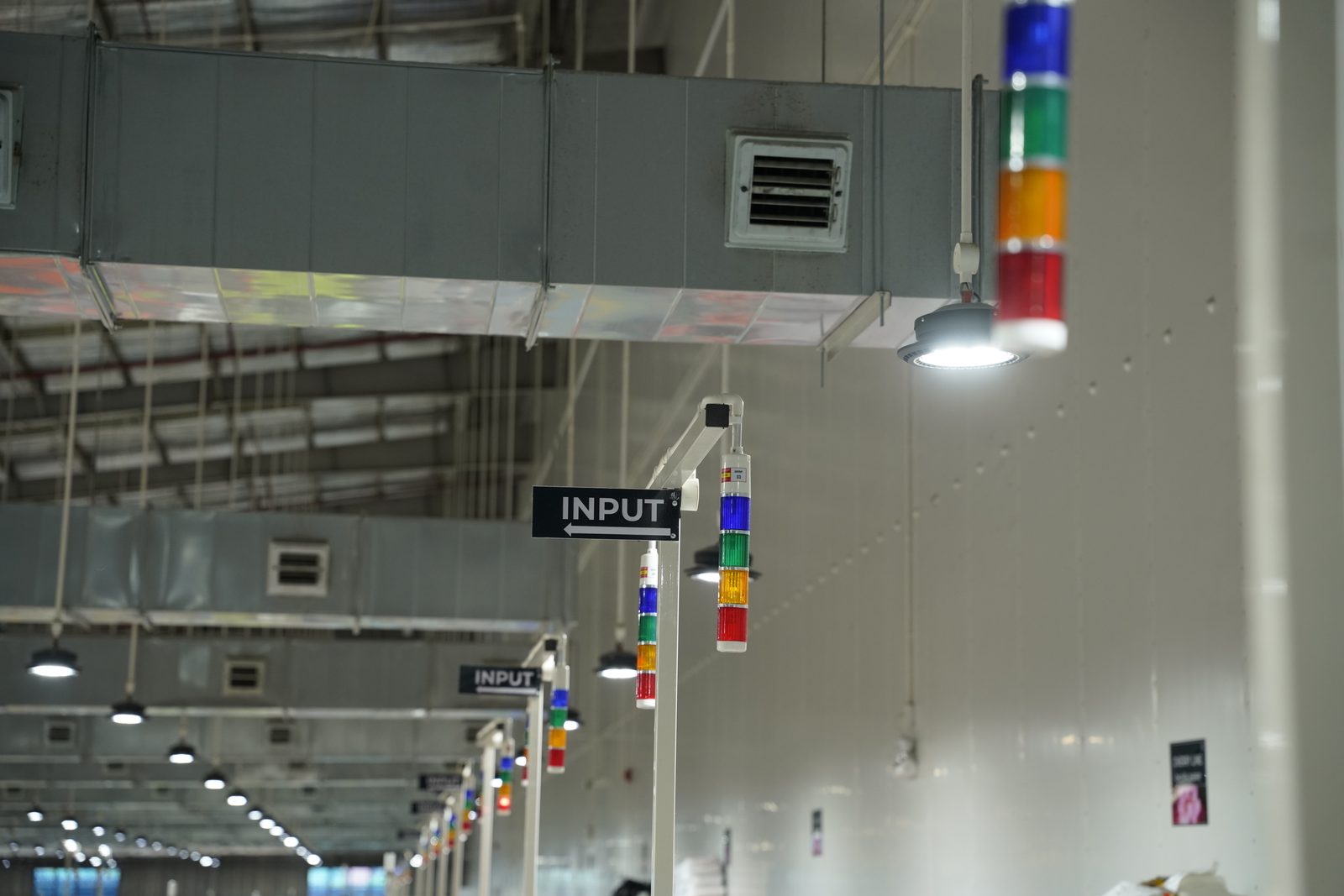
The scope of work for inline QC at Viking covers checking quality at each operation, comparing against the technical standard, the sample and the sample card; checking the first line sample; and tracking and reporting quality results on the line. The position also guides and checks the work of finished garment inspection. viking-vietnam.vn
Responsibility for inline QC therefore sits close to the process that creates the product, not only at the point where the garment is already complete.
What matters to a customer is the ability to connect the technical requirement to the actual state at an operation. Discussing a style, both sides can clarify which positions need attention, what has to be compared against the sample, and how a deviation is reported.
This is also a more concrete way of assessing control capability than simply asking how many QC staff a factory has.
3. Finished garment inspection carries its own checking and reporting duty
In the published job description for finished garment inspection, Viking sets out inspecting 100% of finished garments, measuring to QC instruction, requesting the line leader to handle defective goods, and reporting inspection results accurately. This is a statement of the scope of work, not a claim that every garment is free of defects. viking-vietnam.vn
The important point is that the duty does not stop at identifying a garment that falls short. The inspector also has to pass on the requirement for handling and record the result.
From an order management point of view, this arrangement clarifies the link between inspection and production. A detected issue needs a point of contact to resolve it, rather than being marked and left at the inspection table.
4. QA AQL connects finished garment inspection to the shipping requirement
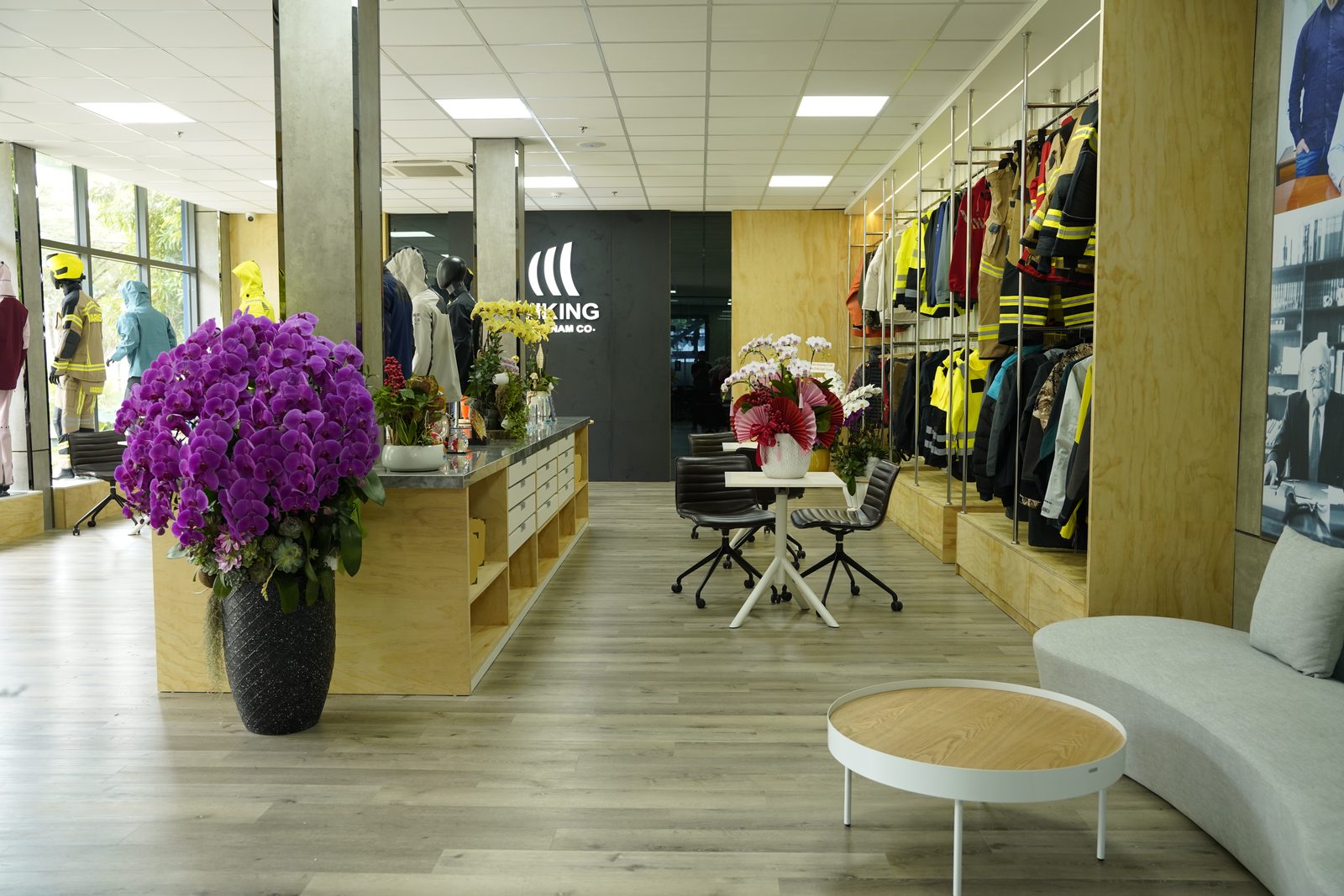
Viking defines the QA AQL duties as daily control of finished garment quality, checking and approving folding and carton packing against documents and sample cards, reporting AQL results, and working with the customer's QC or a third party at final inspection. viking-vietnam.vn
This scope shows that control work continues into the completion of the order. Folding and carton packing also have reference documents and an assigned position.
For an international customer, this is what has to be agreed before shipment: which sample and documents are used, who takes part in the inspection, and what has to be confirmed.
Order quality has to be considered together with accuracy in finishing and packing, not only in the stitching of each garment.
5. Accuracy of records is a compliance requirement
In its business ethics policy, Viking requires that records held by an employee be complete, accurate, timely and a true reflection of actual activity. Deliberately recording false information or falsifying records is defined as a violation. viking-vietnam.vn
That requirement matters when set beside the reporting duties of QC, finished garment inspection and QA AQL. An inspection result is only useful for a decision when the information reflects what was actually observed.
For a customer, confidence should come from being able to discuss clear records. A report has to show what was inspected and what remains to be handled, rather than offering a general conclusion that the order is fine.
6. Customer information sits within a confidentiality boundary
Viking's policy states that customer information may be used only for related work, within the scope necessary, and has to be protected in line with company rules and commitments to the customer. Internally, confidential information is shared only with those who need to know it for work reasons. viking-vietnam.vn
This makes an important principle clear: transparency about the state of an order is not the same as unlimited sharing of documents.
In a manufacturing relationship, both sides have to agree the scope for providing samples, technical documents and inspection results. Exchanging enough information to do the work has to go together with the duty to protect a partner's information.
7. Delivery requirements come with responsibility towards workers
In its Quality and Social Responsibility Policy issued on 20 July 2025, Viking commits to overtime on a voluntary basis without coercion, and sets out periodic safety training and communication of how to deal with hazards in the workplace. viking-vietnam.vn
From the point of view of a manufacturing relationship, these commitments have to be considered alongside the order plan. When a change occurs or additional rework arises, the discussion about schedule has to take actual working conditions into account.
That is how quality, delivery and social responsibility are placed within one management direction, rather than treated as separate subjects.
The basis for assessing Viking's control capability
What Viking publishes allows a customer to examine three concrete points:
- Professional responsibility: distinguishing work at the line, finished garment inspection and QA AQL.
- Basis for inspection: comparison against the sample, the technical standard and the packing instruction.
- Responsibility for information: truthful reporting and protection of customer data.
These points are the basis for both sides to define a control approach for each product, rather than relying on a general quality commitment.
Connect with Viking Vietnam
Talk to Viking Vietnam about your technical requirements, your inspection approach and your shipping specification, so that the way the order is run can be agreed together.
Defining the criteria, the responsibilities and the information to be confirmed from the start gives a customer a basis for following quality at every stage of the relationship.