Visibility classification on a label should not be considered separately from the actual design, the reflective material area, and how the garment is worn in real work. This article covers nine technical factors to control from design through production.
In working environments with limited visibility, reflective protective clothing plays an important role in helping workers be recognised from a distance. For sectors such as construction, traffic and roadworks, logistics, warehousing, ports, outdoor projects, or night production, a worker being seen is not only a design feature. It is part of the safety system.
There is, however, a point that is often incompletely understood: the visibility classification printed on a label should not be considered separately from the actual design, the area of visible material, and how the garment is worn on the body.
A garment can be designed to a given classification, but if the area of background material or reflective material is not calculated, positioned, and verified correctly, real visibility performance can be affected.
For Viking Vietnam, producing protective clothing is not only about sewing to the sample. It is a process of understanding the standard, controlling every detail, and making sure the finished garment better supports the safety of the person wearing it.
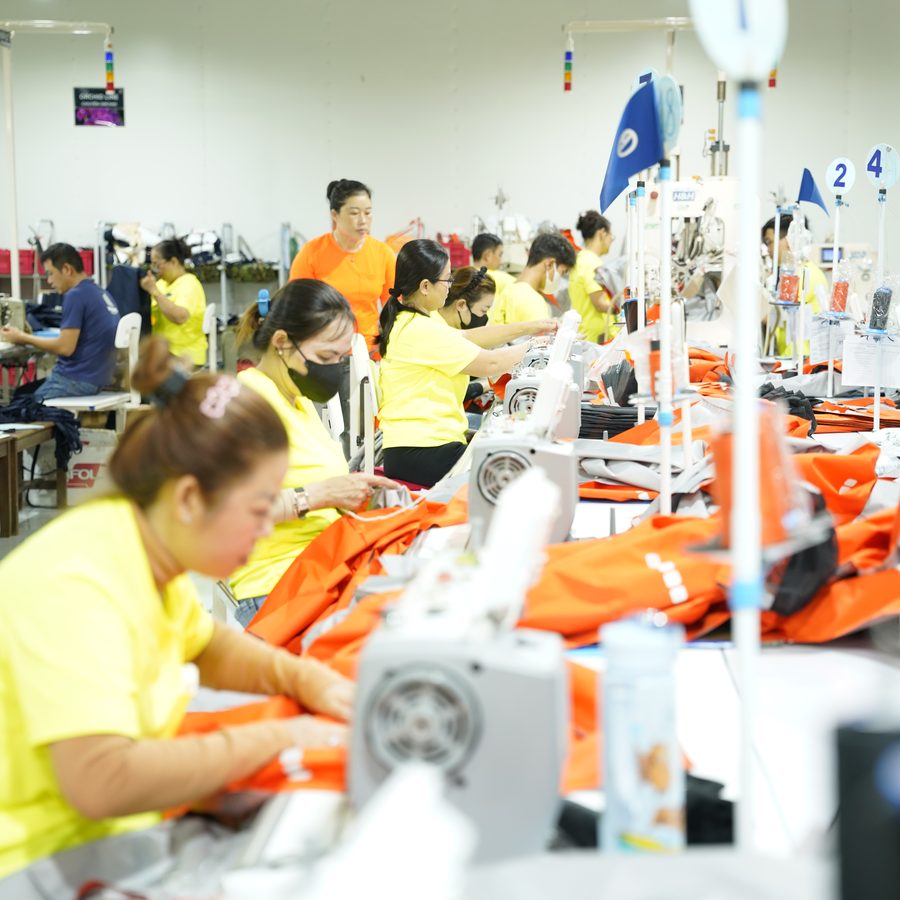
1. Visibility classification is more than information on a label
In reflective protective clothing, the visibility classification is generally used to express how recognisable a garment is under different lighting conditions. This information matters to the purchasing company, to the wearer, and to occupational safety management.
However, the label is only the final result of a process of design, material selection, area calculation, and finished product verification.
For a garment to genuinely match its declared classification, the factory needs to control many factors:
-
The area of high visibility background material
-
The area of reflective material
-
The placement of reflective material on the body, sleeves, legs, or shoulders
-
Visibility from multiple directions
-
The effect of garment size on material area
-
The effect of pockets, plackets, logos, or decorative details
-
Stability after sewing, laundering, and use
Looking only at the label without re-checking these factors can leave important risks unaddressed in real use.
2. Reflective area must be controlled from the design stage
Reflective tape is not simply an accessory on a protective garment. It is a technical component that directly affects how the wearer is recognised.
Reflective area should be calculated at the design stage rather than checked only once the garment is complete.
A good design should be able to answer these questions:
-
Does the total reflective area meet the requirement for this garment?
-
Is the reflective material distributed evenly across easily observed areas?
-
Can the wearer be seen from the front, the back, and both sides?
-
When the wearer bends, turns, or raises their arms, does the reflective material still work?
-
Is any detail obstructing the reflective material during use?
-
Do the smaller sizes still carry enough visible area?
In mass production, if the area is not controlled from the pattern and sample stage, a deviation can spread across many sizes and many shipments.
At Viking Vietnam, this is why the technical team works closely with the sample room, production, and QC, so that reflective details are not only correct on the drawing but also workable in real production.
3. A garment can pass on paper and still not be optimal when worn
Protective clothing is used on the body of a person at work. The garment therefore needs to be assessed in real postures and real situations, not only lying flat on an inspection table.
During work, a person may:
-
Bend forward
-
Rotate the shoulders
-
Raise their arms
-
Sit down
-
Carry a backpack or tools
-
Wear an additional outer layer
-
Be partially covered by other protective equipment
All of these can affect the visibility of the garment.
For example, a reflective band correctly placed on the drawing can be covered when the worker wears a safety harness or a tool pouch. Reflective material on the sleeve can lose effect if the arm is often held bent. A logo or a large pocket, if poorly positioned, can also reduce the visible material area.
Producing protective clothing therefore requires both technical verification and an understanding of how the garment is actually used.
A good garment does not only meet requirements on the table. It has to perform when worn in real working conditions.
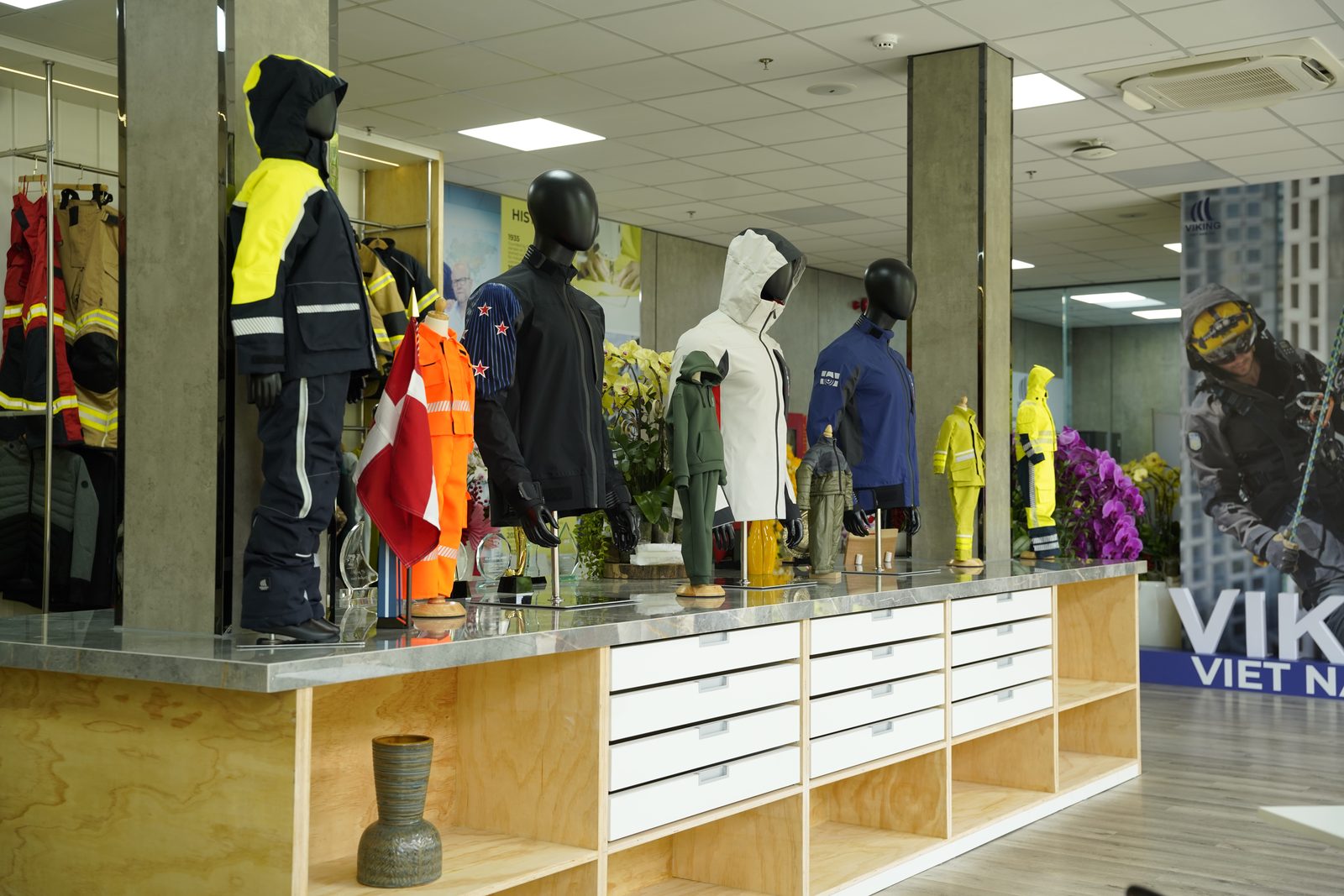
4. Garment size can affect visibility classification
In garment manufacturing, one design is produced across many sizes. The surface area of each size, however, is not the same.
This is particularly important for reflective clothing.
A design may carry enough reflective area in a large size, but when it is graded down to a smaller size, the total visible material area can fall. If the factory does not re-check, some sizes may no longer correspond to the intended visibility classification.
Points to watch include:
-
Front and back body area in each size
-
Sleeve length or trouser length
-
Reflective band positions after grading
-
The ratio of background material to contrast material
-
Pockets, plackets, zips, or logos in each size
-
Whether visibility performance holds after pattern adjustment
This is an important technical point in protective garment production. Verifying only one sample size may not be sufficient when a product runs across many sizes and serves many groups of workers.
5. Reflective material must be verified for quality and durability
Reflective area is an important factor, but the quality of the reflective material matters just as much.
Good reflective material must keep its performance through use, laundering, abrasion, and exposure to the working environment.
The criteria to control include:
-
Light reflection performance
-
Adhesion after sewing or heat pressing
-
Durability after washing
-
Abrasion resistance
-
Stability of colour and surface
-
Compatibility with the base fabric
-
Comfort in contact with the wearer
If reflective material peels, cracks, dulls, or loses performance after a short period, the garment may no longer deliver its original function.
At Viking Vietnam, selecting and verifying reflective material is treated as part of the quality assurance process, not only as an aesthetic or cost decision.
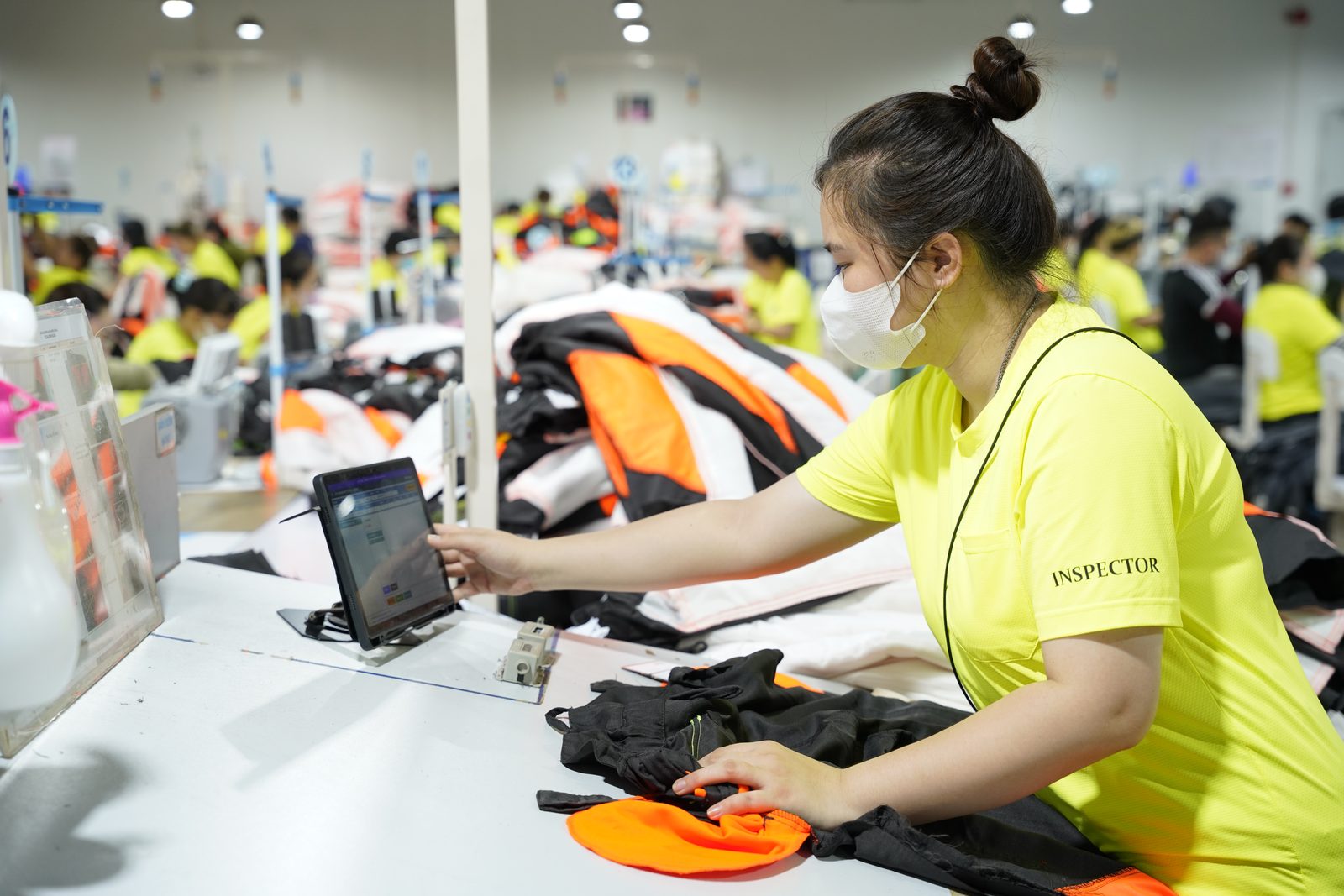
6. Placement directly affects how the wearer is recognised
Adding more reflective material does not automatically make a garment better. What matters is that the reflective material is placed correctly and supports recognition from multiple directions.
Positions usually worth considering include:
-
Shoulders
-
Chest
-
Back body
-
Sleeves
-
Trouser legs
-
Areas of movement that are easily seen
-
Points not obstructed by working equipment
An effective reflective layout should help a worker be recognised in different situations, particularly under light from vehicles, machinery, site lighting, or weak light sources.
For Viking Vietnam, reflective design is not simply arranging tape attractively. It is a balance between safety requirements, function in use, product appearance, and stable manufacturability.
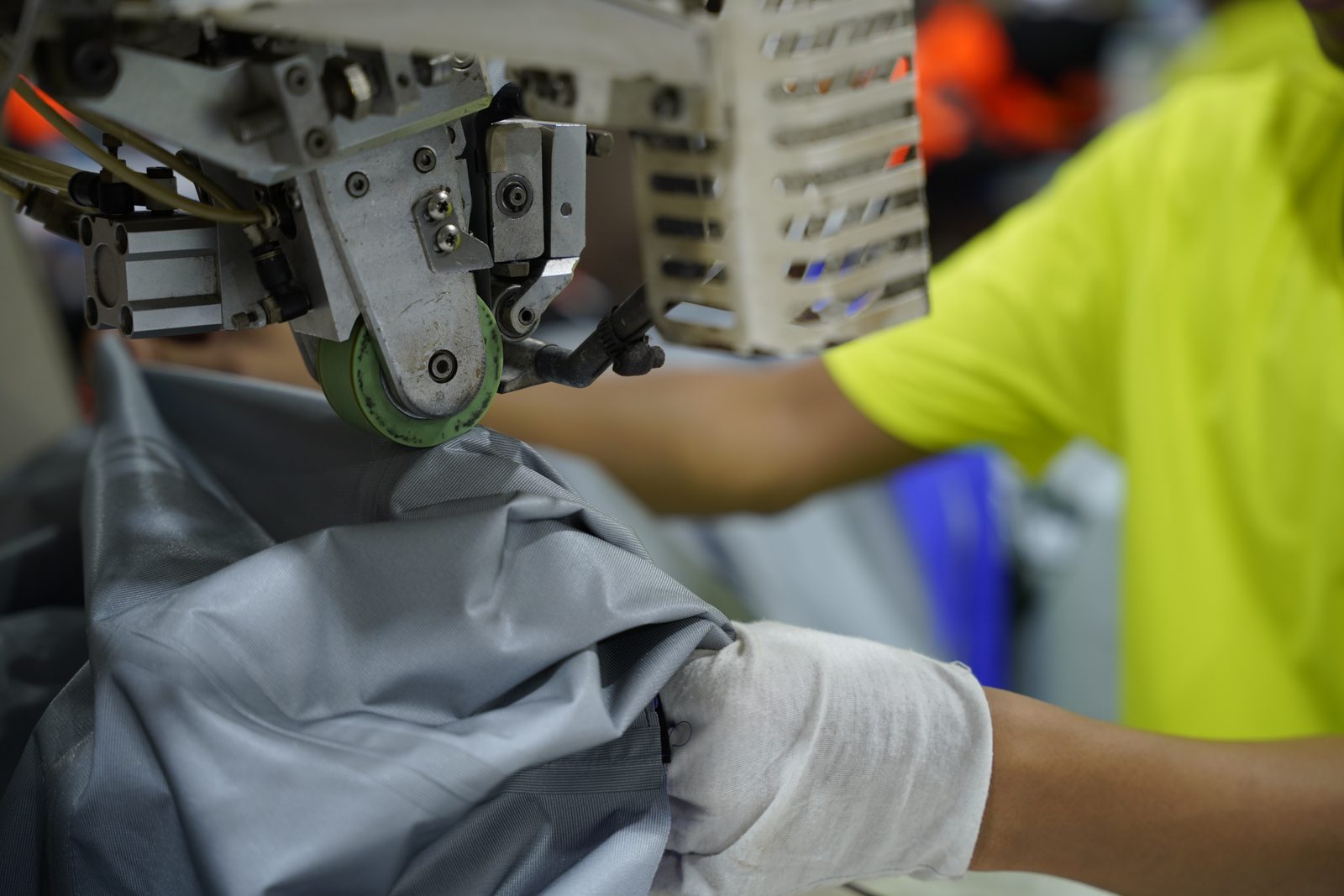
7. Production control ensures the design is executed correctly
Even when a design is correct, the garment can still deviate if production is not well controlled.
In mass production, the faults that can arise include:
-
Reflective material placed in the wrong position
-
Uneven sewing or pressing lines
-
Reflective bands off the specified measurement
-
Material puckering, lifting, or bulking
-
Differences between the approved sample and bulk production
-
Deviation between sizes or between lines
To control these risks, a factory needs a clear process:
-
Complete technical documentation
-
An approved reference sample
-
Specific operation instructions
-
QC verification at critical operations
-
Technical implementation staying close to the line
-
Finished goods inspection before packing
At Viking Vietnam, production control is what ensures the requirements on the drawing are converted correctly into the finished garment.
8. Protective clothing should be assessed against real conditions of use
A reflective garment that meets technical requirements still needs to be considered in the real working context of the wearer.
Different sectors have different needs:
-
Site workers need recognition across open space
-
Warehouse staff need freedom of movement
-
Night shift workers need reflective material where light strikes it
-
Traffic personnel need to be seen from multiple directions
-
Outdoor workers need materials that withstand the weather
-
Workers in multiple layers need a design that is not covered
So when developing a product, customer and factory both need a clear picture of the end wearer.
A suitable garment is not only one that meets specifications. It is one that fits the working environment, the movement habits, and the safety requirements of that occupation.
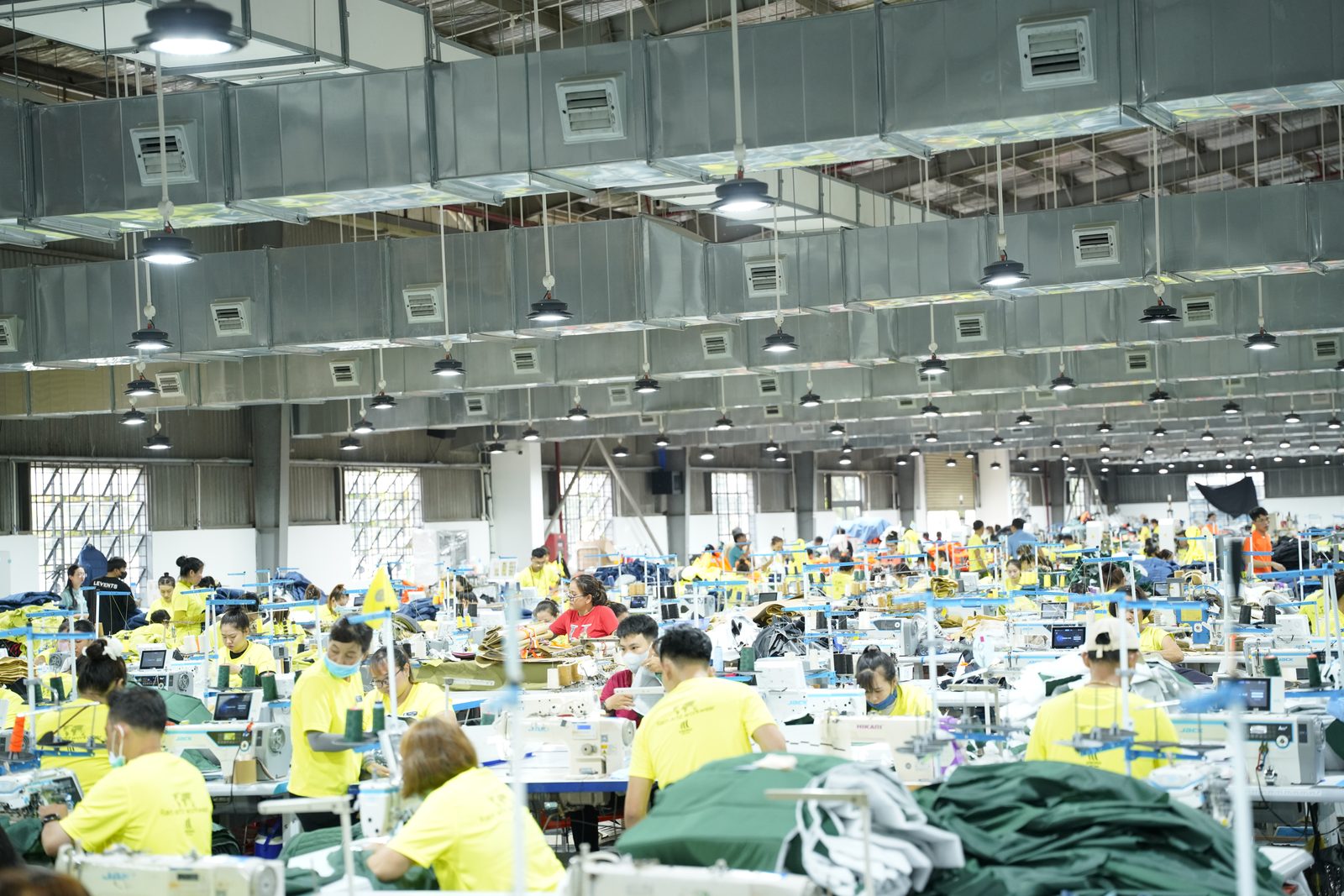
9. Viking Vietnam and reflective protective clothing capability
Viking Vietnam has experience producing protective clothing and technical apparel for export markets. For products with reflective requirements, Viking focuses on the coordination between design, material, sewing technique, quality control, and real conditions of use.
Our capability shows in:
-
Understanding the technical requirements of protective products
-
Controlling reflective material and background material
-
Coordination between technical, sample room, production, and QC
-
Verifying the position and stability of reflective details
-
Controlling deviation in mass production
-
Working alongside customers to develop products suited to their target market
In protective clothing, a small detail can make a large difference. Viking Vietnam therefore treats reflective details as an important part of our commitment to quality and safety.
Summary of technical value
-
Visibility classification on protective clothing should not be understood through the label alone.
-
Reflective area, background material, and layout on the garment should be verified from the design stage.
-
Garment size, working posture, and accompanying equipment can affect real visibility.
-
Reflective material quality must be controlled for adhesion, durability, reflection performance, and stability in use.
-
Viking Vietnam focuses on technical control and stable production to deliver reliable reflective protective garments for international markets.
Connect with Viking Vietnam
If you are looking for a manufacturing partner in Vietnam for reflective protective clothing with technical capability, a quality control system, and experience in export production, Viking Vietnam is ready to work with you.
We support customers in developing protective products that meet the design requirements and also suit the real working conditions of the wearer.
Connect with Viking Vietnam to develop protective clothing that is safe, durable, and reliable for the global market.