Explore how Viking Vietnam connects material planning, technical documentation and operation costing to prepare and control garment production.
Viking Vietnam develops waterproof jackets with taped and welded seams, together with workwear lines. In its capability information, the company also refers to sourcing, arranging materials and trims, and providing manufacturing on an FOB basis. Within that scope, material preparation and production organisation are tasks that have to be connected from the start. viking-vietnam.vn
For a customer, a quotation has to be read together with the execution approach: which materials are used, which operations are required, and which conditions have to be confirmed before production.
Material planning is what makes that discussion concrete. The focus is not only calculating consumption, but keeping the product requirement, the resources and the order plan consistent with each other.
1. Viking places consumption work inside the technical function
Within the scope it publishes, Viking assigns the technical documentation member responsibility for building quotation consumption and production consumption. The position also prepares material and trim cards, measurement charts and technical standards, coordinates execution and takes part in approving the first line sample. viking-vietnam.vn
This places consumption work close to the technical information about the product. A figure used for quotation has to relate to the construction, the materials and the method required, rather than being treated as a separate calculation.
On coordination, separating the quotation stage from the production stage also helps both sides identify what remains a proposed approach and what has been accepted for execution. When the product changes, the related bases have to be reviewed before they are used again.
2. The approved sample is the reference for checking the bill of materials
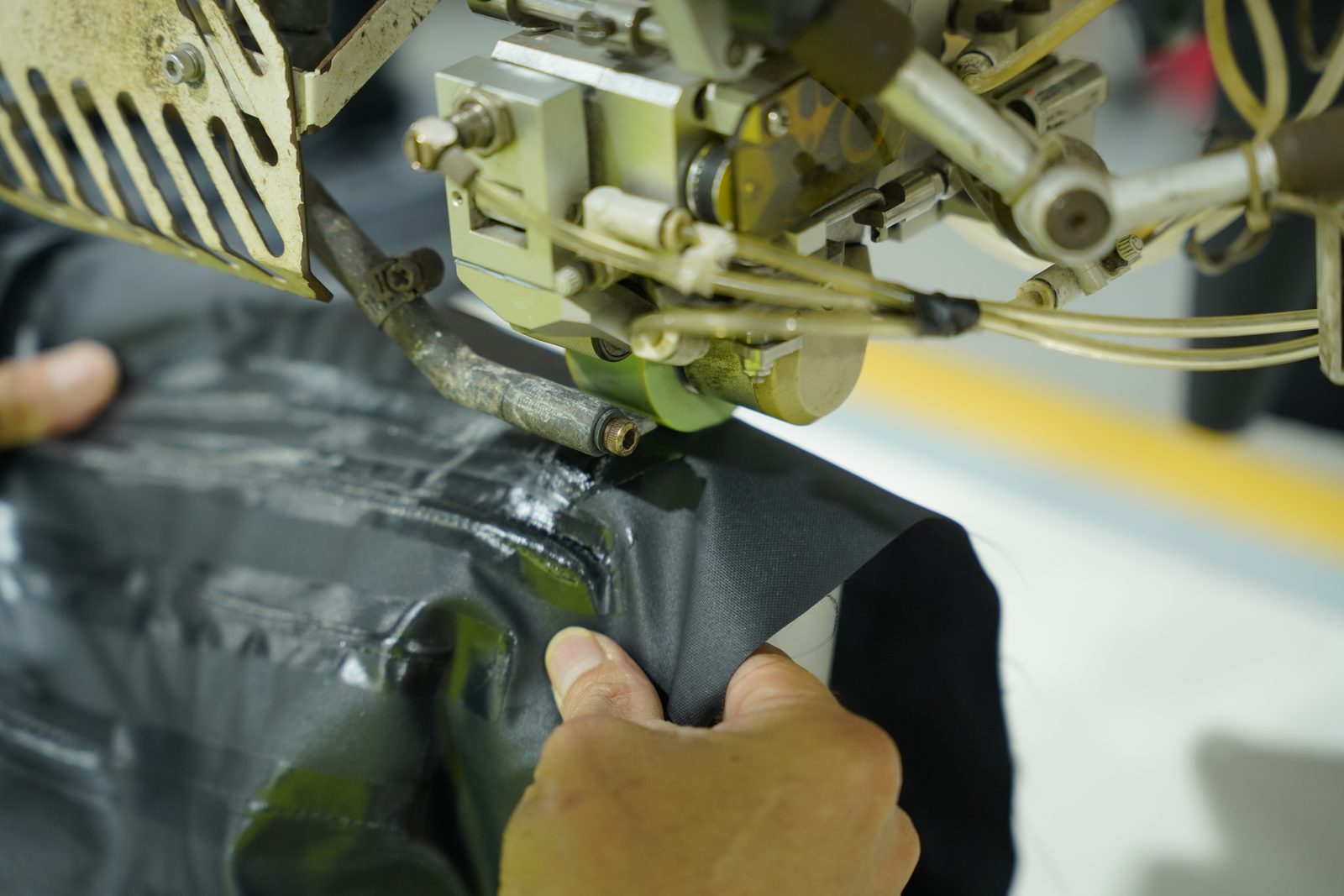
In the process Viking presents, once the sample is approved, merchandising and technical check the material and trim list, commonly called the BOM, against the confirmed sample. The plan that follows covers cutting, printing, sewing, inspection, packing and material allocation. viking-vietnam.vn
What matters here is the link between the sample and the working information. A material list has to answer which components the product uses; the preparation approach has to make clear how those components are allocated to the order.
For a customer, this is the basis for checking consistency before production. Confirmation should not stop at the appearance of the sample but should include the components that belong to the agreed approach.
3. Merchandising links material requirements to order progress
Viking defines merchandising responsibility as checking and balancing materials, coordinating with production, issuing production orders and following progress. The role also takes part in resolving quality issues and customer complaints. viking-vietnam.vn
From that assignment, material preparation sits together with the duty to follow the order. Material information does not serve the warehouse alone; it also has to inform judgements about whether execution is possible.
In discussion with a partner, it helps to separate clearly the material quantity already confirmed, the part still pending, and what still has to be decided. Presented that way, the customer understands the conditions behind the plan rather than receiving a delivery date detached from the state of preparation.
4. IE adds the basis on operations and production organisation
On the process side, IE at Viking writes the sewing process, does costing, defines machine requirements, designs the line layout and tracks output. The function also balances the line, coordinates execution timing and maintains the production library. viking-vietnam.vn
This scope adds a view that material consumption alone does not give: which operations the product has to pass through, and how resources are organised.
Material and operations have to be assessed together when building a production approach. A change that reduces material but makes an operation harder cannot be called more efficient until the combined result has been examined.
Discussion of cost should therefore stay tied to the product requirement, the method of execution and the agreed quality criteria.
5. A product change has to be reassessed on the same basis of information
One illustration is a customer adding a pocket to a jacket design after the quotation stage. This is not a confirmed case at Viking, but an example of how the impact of a change should be considered.
The assessment should cover the additional material, the trims that come with it, the assembly operation and what has to be inspected. If only the drawing is updated without reviewing the related parts, the quotation and the execution approach may no longer rest on the same product construction.
In that situation, both sides should clarify which version the change applies to, what has to be confirmed, and which documents have to be updated. The aim is to decide on consistent information rather than carrying forward the assumptions of the previous approach.
6. Transparent data is the condition for controlling cost
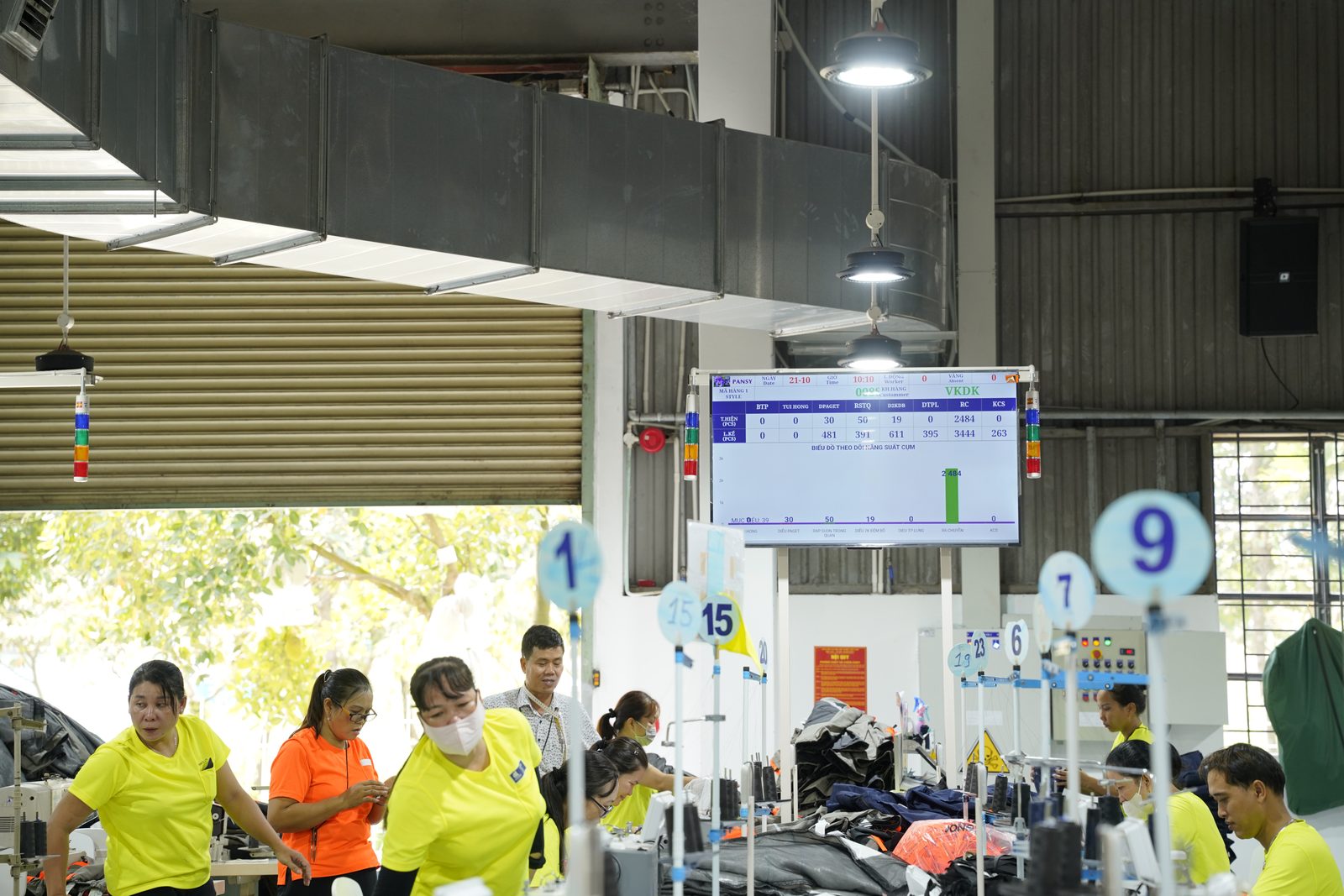
Viking's business ethics policy requires records to reflect actual activity completely, accurately and truthfully. The policy also states that purchasing and supplier selection must rest on need, quality, price and other reasonable criteria, and must not be influenced by personal interest. viking-vietnam.vn
Placed within material planning, these requirements give a basis for examining figures and decisions about materials. A variance between planned and actual has to be explained, rather than a report adjusted to fit the original target.
From a resource point of view, identifying a variance correctly also shows where improvement is needed. That is one way of connecting cost control with responsible production; any specific saving still has to be demonstrated with the data of the particular order.
The value for customers working with Viking
The duties Viking publishes show that consumption, technical documentation, material balancing and operation organisation each have a specialist function responsible for them. That is a basis for a customer to look further into the execution approach, not evidence in itself that every order reaches the same level of efficiency.
When developing a product, three things should be clearly agreed:
- The basis of calculation: the product construction, the materials and the technical requirements in force.
- The conditions for execution: material status, operations, equipment and the production plan.
- How change is handled: the scope of reassessment, who confirms it, and what information has to be updated.
Clarity on these lets both sides assess an approach on the same basis. Cost, quality and schedule are then discussed as connected parts of one order rather than as separate commitments.
Connect with Viking Vietnam
Send your reference sample, technical documentation and expected quantity breakdown to Viking Vietnam so that a suitable material, operation and production approach can be discussed together.
Clarifying the basis of consumption during product development helps both sides identify what has to be verified before a quotation is agreed and an order is placed into production.