Explore how Viking Vietnam prepares a technical garment order before sewing, from documentation and materials to engineering, IE, machinery, quality control and first-piece verification.
Watching a sewing line in motion, what is easiest to see is the operators, the machines and the work in progress moving through each operation. But what decides whether the line runs steadily begins earlier than that.
Before an order of technical outerwear, workwear or waterproof garments goes into production, several questions have to be answered:
- Has the latest documentation been confirmed?
- Are the materials correct and complete?
- Which operations are difficult?
- Which machines have to be prepared?
- Who needs the higher skill level?
- Which points does QC have to watch closely?
- Is any customer change still open?
- Which approved sample will be used?
This is the stage of production readiness.
For Viking Vietnam, good preparation does not only make the line run faster. More importantly, it reduces the risk when a technical product starts being multiplied into hundreds or thousands of units.
1. Start by confirming the right version of the product
One of the biggest risks before production is that the functions are not working from the same version of the information.
The customer may have changed measurements, construction, trims, colours, logo positions, label specification, packing, or added comments after the final sample round.
If merchandising has received the change but technical, QC or production have not updated, the problem can appear on the very first garment.
Before the goods reach the line, therefore, the current tech pack, the current BOM, the latest measurement chart, closed sample comments, the approved sample, the pattern version and the latest packing requirement all have to be confirmed.
The principle is simple: one product, one version in force, one shared understanding.
2. Materials have to be ready, not merely delivered to the warehouse
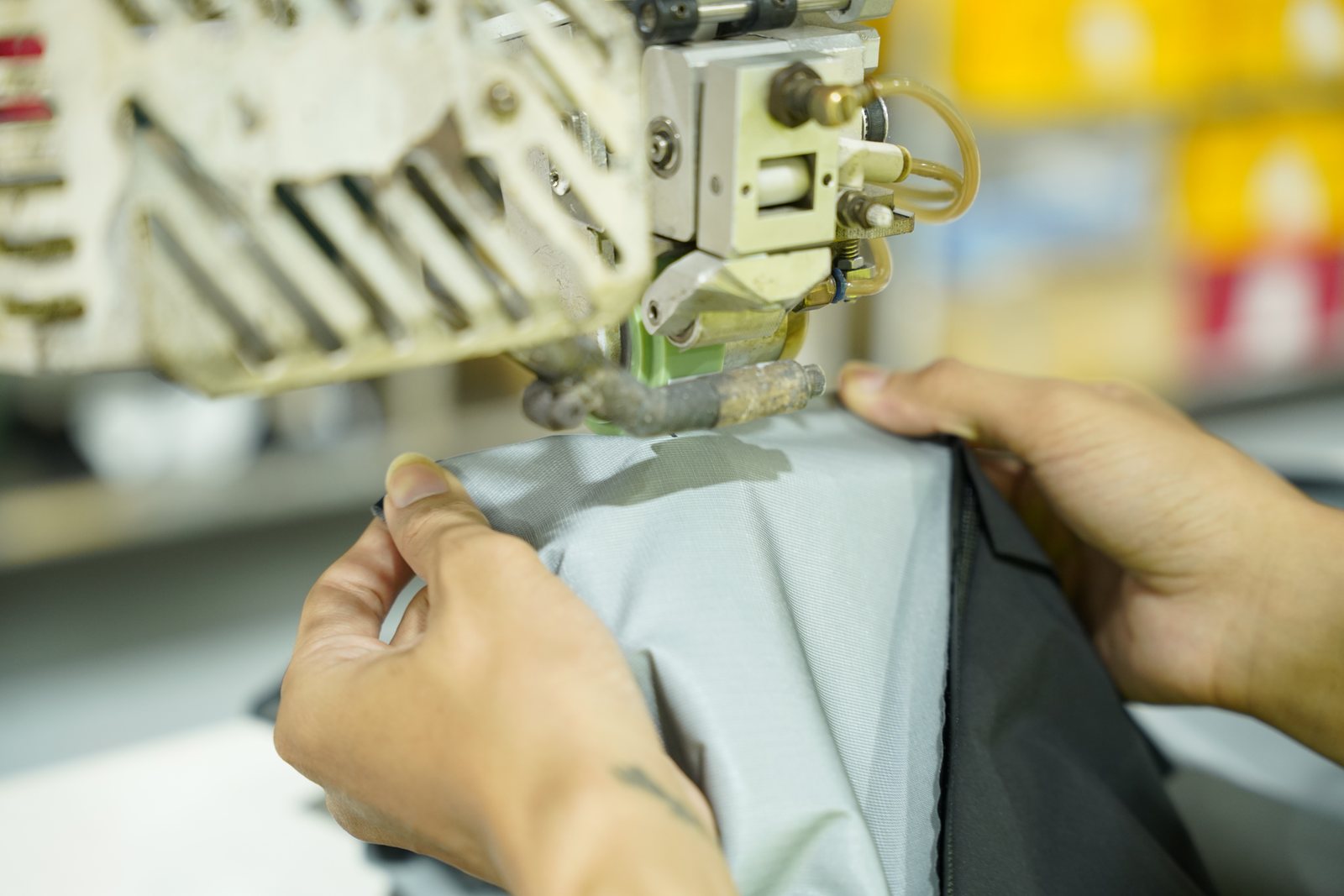
A material arriving at the factory does not mean it is ready for production. Before release to the line, the checks are whether the code is right, the colour is right, the lot is right, the quantity is sufficient, the incoming quality is acceptable, testing is needed first, and whether functional trims are the correct version.
For a technical product that list can include laminated fabric, lining, insulation, seam tape, waterproof zips, reflective material, cord, stoppers, hook and loop fastening, labels, logos and packaging materials.
A very small item such as the wrong stopper or the wrong type of seam tape can stop part of the line.
Material readiness therefore has to mean: correct, complete, conforming and ready to use.
3. Technical has to identify the risky operations in advance
Not every operation on a technical jacket carries the same difficulty. Some positions need particular attention: multi layer pockets, curved corners, the hood, zips, points where several seams meet, waterproofing details, reflective elements, load bearing areas and positions that need seam sealing.
Before production, technical has to establish which points are easy to get wrong, which need a reference sample, which need an operator briefing, which need a trial first, and which need QC confirmation.
Once the risk is identified in advance, the factory can prepare for it. Waiting until a defect appears before starting the analysis makes the correction far more expensive.
4. IE turns the product construction into a line plan
A product can involve dozens of different operations, sometimes more. IE has to turn it into an operation breakdown, the sequence of operations, the standard time under the method applied, the machine requirement, the labour requirement, the layout, operation groupings and the expected bottlenecks.
The point is not only to calculate time. IE also has to see the relationship between operations. If one position is too slow, work in progress piles up. If an operation needs high skill but is allocated to the wrong person, both quality and output can suffer.
IE is therefore the bridge between a technical product and the line's ability to run it.
5. Machine requirements have to be ready before the product reaches the machine
A technical order may need several kinds of equipment, not only a standard single needle machine. It may need specialised machines, a seam sealing machine, programmable machines, attachments, special presser feet, needles matched to the material, positioning aids and inspection tools.
Maintenance has to know these requirements in advance. If the line has already received the goods before anyone starts looking for the machine or adjusting an attachment, the changeover stretches out.
A sound sequence is: IE defines the need, technical confirms the requirement, maintenance prepares, a trial run follows, adjustments are made before bulk.
That is how equipment becomes a tool supporting production rather than a cause of waiting.
6. The people have to be considered alongside the difficulty of the operation
It is not only the machines that need preparing. People do too. A difficult operation has to be allocated to someone with the right capability, or they have to be trained before production starts for real.
The line leader and IE need to look at the skill matrix, experience on similar products, results on previous operations, the ability to handle difficult movements, and any additional training needed.
This avoids the habit of “whoever is free goes on the operation”. Instead: which skill does this operation need, who fits it, who needs further training.
This is how Viking can connect people development to real manufacturing capability.
7. QC has to know the critical points in advance
QC should not wait for the goods to run before working out what to inspect. Before the order begins, the critical points have to be made clear: critical measurements, pocket positions, zips, load bearing seams, seam tape, reflective placement, the hood, cuffs, logos, labels and packing.
With high performance apparel in particular, a defect that looks minor in appearance can still affect function. A seam tape can look neat and still not bond reliably. A reflective strip can be beautifully sewn and still be in the wrong position.
QC therefore has to understand why a point has to be checked, not only that it is on the list.
8. The pre production meeting is not a formality
A pre production meeting earns its place when, afterwards, everyone knows what is being produced, what the risks are, who is responsible, and which points have to be confirmed before work continues.
The functions involved may include merchandising, planning, technical, IE, QA and QC, production, the warehouse, maintenance and whichever supporting functions the order requires.
The agenda does not have to be long. What matters is that the important issues get closed. For example: materials are short, so who follows up; the machine is not ready, so when will it be; a sample comment is unclear, so who asks the customer; an operation is difficult, so who trains for it; a QC control point needs confirming, so who signs it off.
A good meeting produces actions, not just minutes.
9. The first piece is the exam for the whole preparation
When the first garment is finished, it is not only a test of the operator. It is a test of the entire preparation system.
If the first piece is wrong, the question should not only be “who sewed it wrong?”. It is also whether the documentation was clear, whether the operator was trained, whether the machine suited the work, whether the material was correct, whether the pattern was right, whether the QC control points were clear, and whether technical gave enough instruction.
The first piece shows whether what exists on paper actually works on the floor. If it does not pass, it has to be corrected before bulk production is released.
10. Stop, fix and verify before a defect spreads
An important principle in technical products is never to let a known defect keep running. When something significant appears, the sequence should be:
- Stop: prevent the defect from continuing.
- Contain: establish which goods are affected.
- Analyse: find the cause.
- Fix: take the appropriate action.
- Verify: check again after the adjustment.
- Release: continue only once the conditions are right.
This can feel slow at the moment of stopping. It is usually far less expensive than repairing a whole batch at the end.
11. Good preparation reduces firefighting
A factory that is always busy is not necessarily a factory running well. If every day the team is chasing trims, looking for machines, re checking standards, correcting patterns, repairing garments, finding support and waiting for decisions, then the time is going into handling incidents.
Good production readiness moves the organisation from reacting to preparing in advance.
That is one of the foundations that lets a factory stay calm when order pressure rises.
12. What international customers get from it
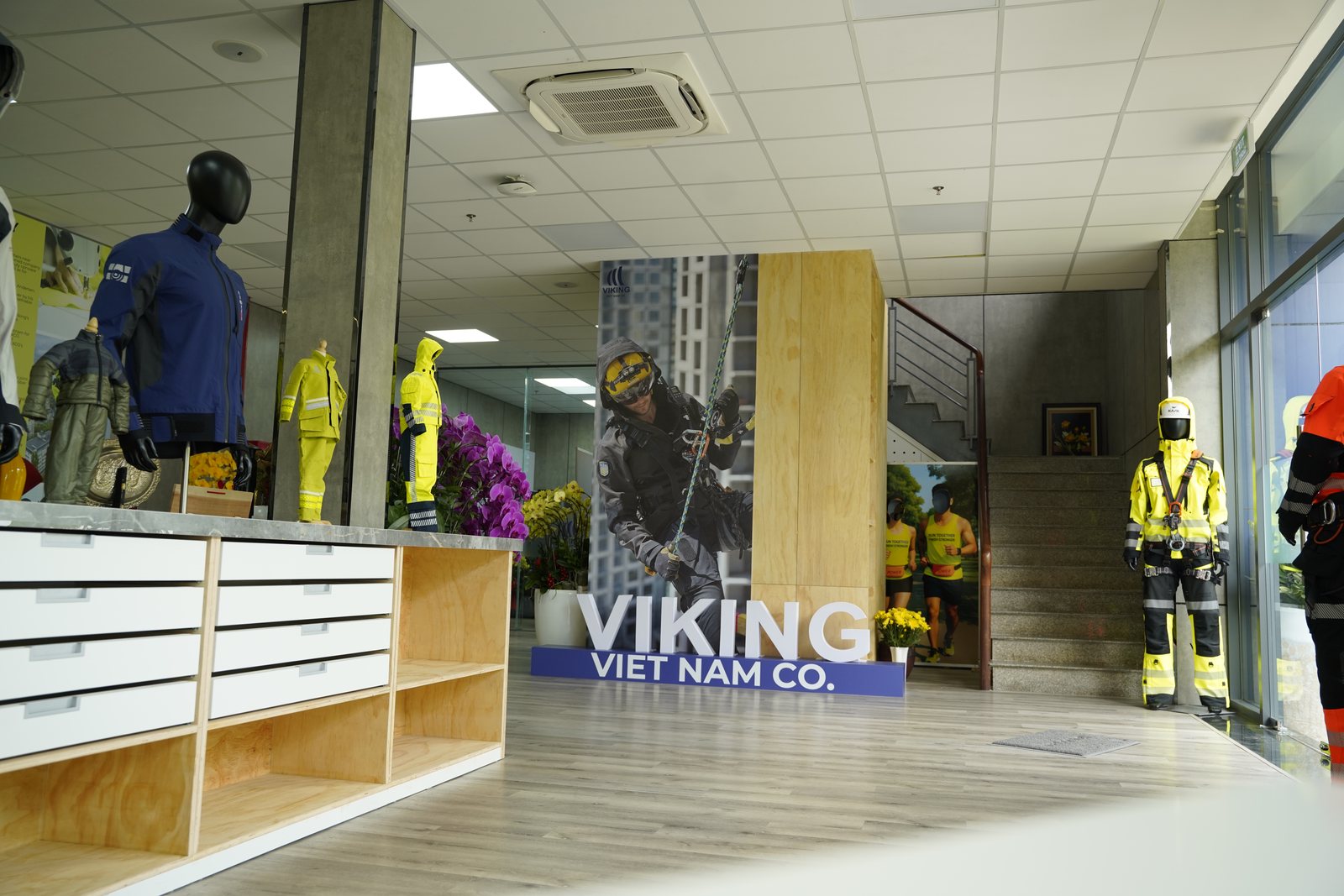
A good preparation process is not always visible in the finished product. But a customer feels it through:
- Fewer repeated questions during production.
- Greater consistency between sample and bulk.
- Fewer unplanned changes.
- Issues identified earlier.
- A clearer timeline.
- More transparent communication.
- A team that acts rather than reacts.
That is why manufacturing capability should not be measured only in lines or machines. A very important part of it lies in the ability to prepare before the machines start running.
Viking Vietnam: ready before running
For Viking Vietnam, a technical order needs several conditions connected before it goes into bulk production: documents ready, materials ready, patterns ready, technical ready, machines ready, people ready, QC ready, first piece verified, and only then bulk release.
Each of those readiness points is the responsibility of one or more functions. Only when the links are connected does the sewing line have a basis for running steadily.
In technical outerwear, workwear, waterproof garments and high performance apparel, that is an important part of Viking's capability: not only knowing how to make the product, but knowing how to prepare so it is made correctly from the start.