Explore how Viking Vietnam connects new operator training with sewing instructions, QC, IE, engineering and line leadership to build reliable manufacturing capability.
A factory can invest in modern machinery, management software and clear procedures. In the end, though, the quality of each garment is still created through hundreds of human movements.
At Viking Vietnam this matters particularly, because the factory concentrates on workwear, waterproof garments, technical outerwear and high performance apparel: products with many operations, many technical details and a need for close coordination between functions.
Training a new operator is therefore not simply showing them how to run a sewing machine. What has to be built is the ability to understand the work, execute it correctly, self check, coordinate and gradually master the operation.
That is also how developing people becomes part of manufacturing capability.
1. A new person needs to understand what they are making
A new operator may start on a very small operation: setting a zip, sewing a pocket, joining panels or running one specific seam. But if they know only the handling and not the product, they will struggle to recognise which points matter.
On a waterproof jacket, one seam may relate to a seam sealing operation further down the line. On workwear, a pocket detail may be in constant use in a working environment. On protective clothing, the position of a component may relate to its function or to visibility.
Instruction for a new person therefore has to help them understand at least:
- What the product is being made for.
- Where their operation sits within the product.
- Which points need particular attention.
- How a defect at this operation can affect the next step.
- Whom to tell when something abnormal appears.
Once they see that connection, the operator is no longer only “getting an operation finished”. They begin to see their responsibility within the completed product.
2. Allocation by skill rather than uniform assignment
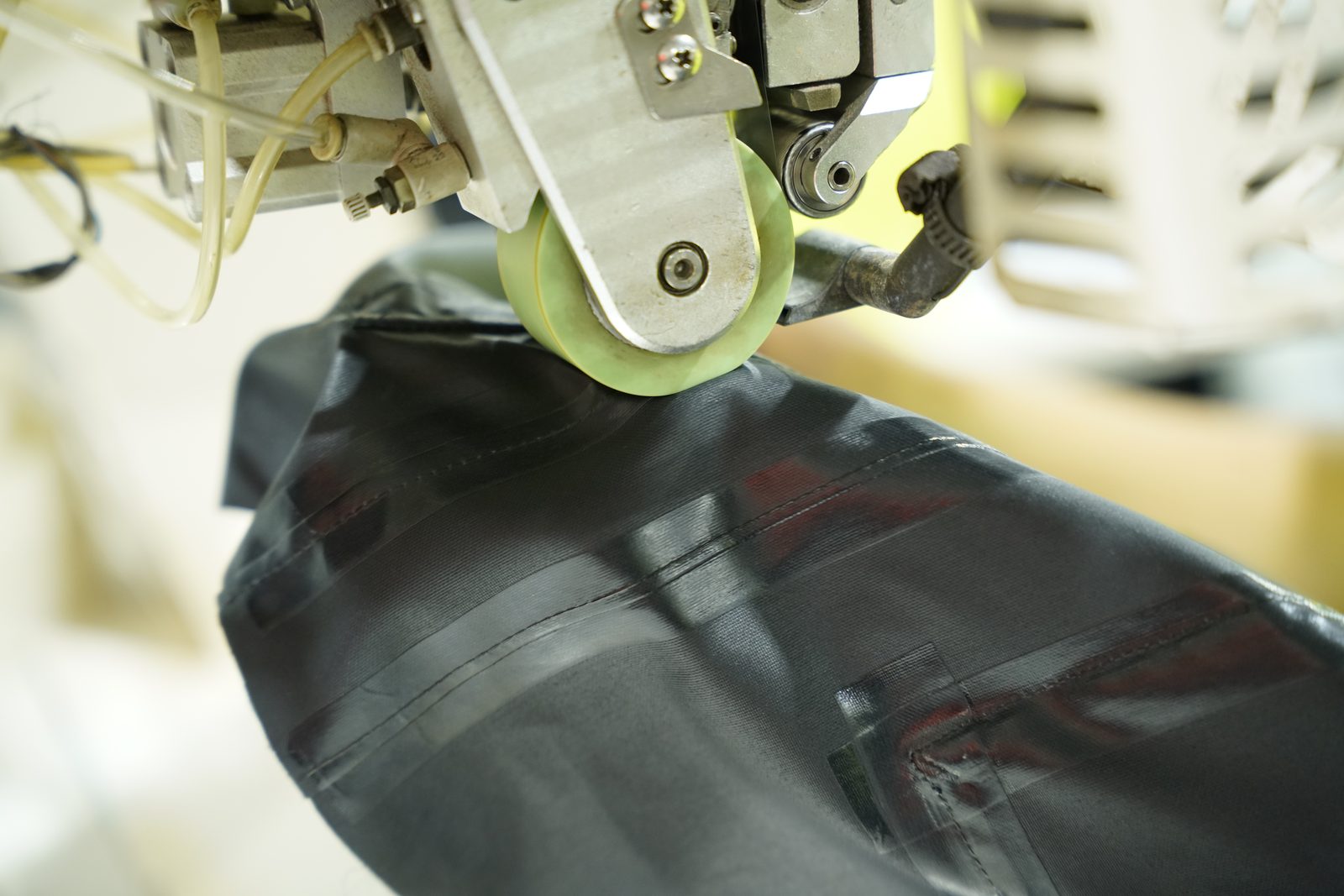
A new person cannot immediately run every operation with the same consistency. At Viking, IE takes part in analysing operations, laying out the line and reviewing how work is arranged against the capability of the people running it.
This matters a great deal for training. Rather than placing a new person straight onto a complex operation and waiting for them to adapt, skill development should start at a suitable level.
An operator can be guided from:
- A basic operation.
- An operation with little variation.
- An operation where the result is easy to observe.
- And then gradually on to more difficult handling.
As capability grows, the scope of work can widen. This ties training to actual ability while laying the foundation for a multiskilled team later.
3. Instructional video keeps experience from sitting in one person
A familiar challenge in the garment industry is that many skills live in the experience of long serving operators. If a skilled person leaves, moves line or is busy supporting another order, that knowledge can be interrupted.
Viking has brought operation video and the production library into the scope of IE. This is an important base for progressively turning real experience into material that can be reused.
A good instructional video lets a new person observe:
- The order of handling.
- How to place the component.
- How to hold the material.
- Which points need aligning.
- How to self check once finished.
- The common defects to avoid.
Video does not replace a trainer. But it gives the factory another tool for keeping the method stable and reducing dependence on word of mouth. It is also how Viking is step by step turning individual experience into a shared asset.
4. A new person needs support from a group, not one individual
On a real sewing line, a problem can come from several causes. A new operator whose work is not yet stable may be affected by:
- Not yet understanding the method.
- Being unfamiliar with the material.
- An unsuitable machine.
- An awkward attachment.
- An operation that is not well arranged.
- A quality standard that has not been explained clearly.
Simply asking the line leader to “train them again” will not necessarily resolve it.
In Viking's model of coordination, several roles can support together:
- Line leader: allocates, follows and guides the daily work.
- Technical: clarifies the method and the product requirement.
- IE: reviews the handling, the time and the arrangement of operations.
- QC: helps the operator understand what passes and what does not.
- Maintenance: adjusts the machine, equipment or supporting tools as needed.
A new person is then not left having to find every answer alone. This is how the capability of the supporting functions goes directly into developing the operator.
5. QC helps a new person build the habit of self checking
Someone who can run an operation does not automatically have the ability to recognise a deviation. This is why QC has an important role during training.
An operator has to be guided to understand:
- What a conforming product looks like.
- The common deviations at their operation.
- Which points to check immediately after the handling.
- When they can continue.
- When to stop and tell the person responsible.
The long term aim is not for QC to stand beside every operator all day. The aim is for the operator to build the habit of: do, look back, detect, report.
As self checking improves, quality is created closer to the source rather than waiting for the inspection area to find it.
6. Training a new person has to include safety and compliance
In a factory, correct handling is not enough. An operator also has to understand the principles that are not traded away for output.
Internal training has to let a new person know:
- The safety rules at their workstation.
- How to use the machine and equipment as instructed.
- When the machine has to be stopped.
- How to report a hazard.
- Who the point of support is.
- Their rights and responsibilities in the working environment.
- The behaviour that does not fit company policy.
This matters especially for a new person, who may not yet be familiar with the culture and the way the factory runs. Teaching only how to work fast, without teaching how to work correctly and safely, leaves the training incomplete.
7. Line leaders have to be developed into people developers
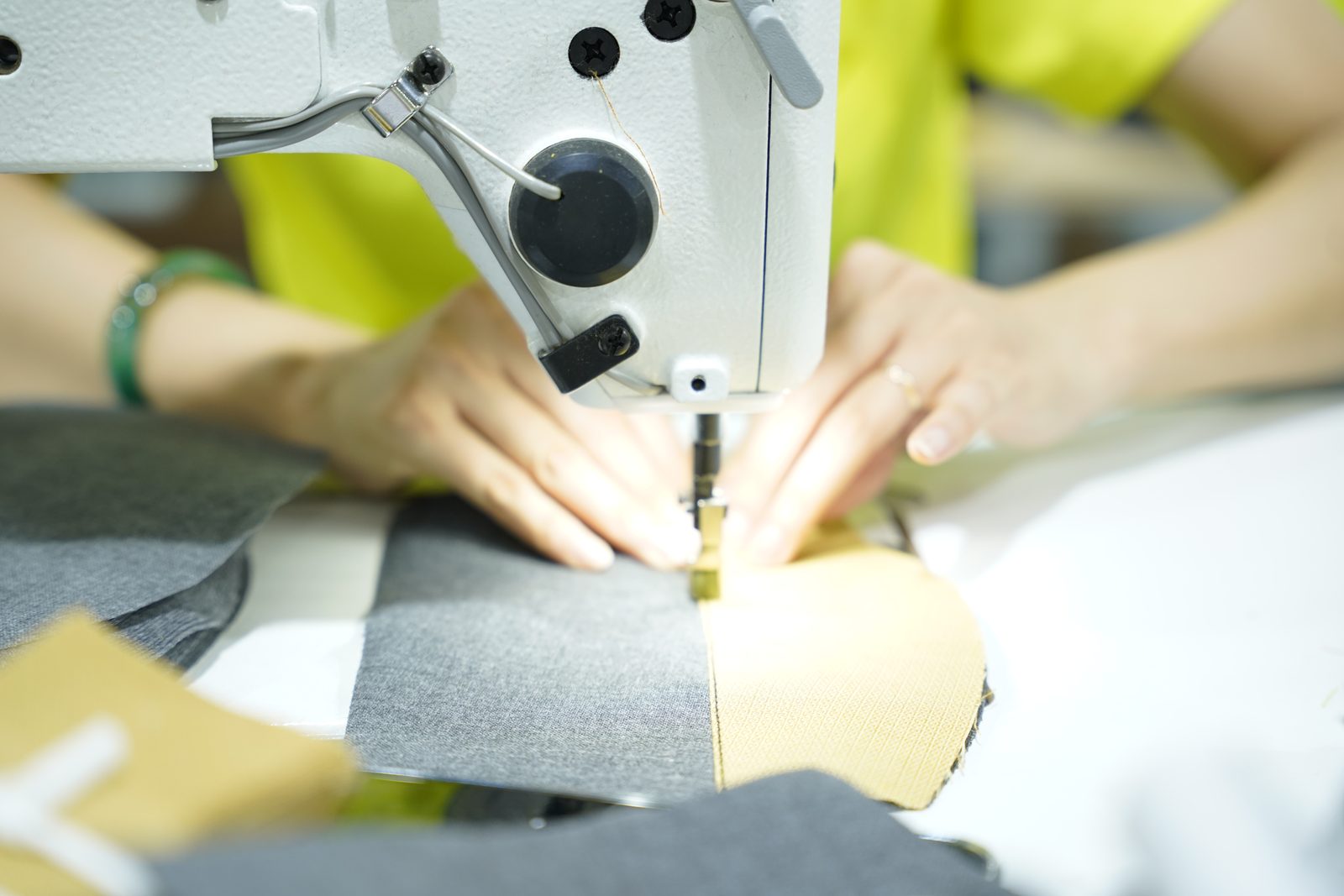
Within this system the line leader's role changes. A line leader is not only someone who hands out output targets.
A good line leader needs to know:
- What skill level each person is at.
- Who needs further instruction.
- Which operation suits which person.
- When technical support is needed.
- When IE should review the handling.
- When QC has to be brought in.
- Who is ready to learn a new operation.
This moves the line leader from managing people who work to developing the capability of the team.
When a new person progresses, the line leader does not only gain one more pair of hands. The line gains a new capability.
8. A skill matrix turns training into capability you can see
If training happens only verbally, the factory struggles to know how far the team has developed. An important tool in managing manufacturing capability is the skill matrix.
A skill matrix makes visible:
- Who can run which operation.
- Which operations only a few people can run.
- Who is currently in training.
- Who can already work independently.
- Who is able to help train others.
From there, management can make better decisions about line layout, rotation, preparing a new style, building a multiskilled team and identifying the next training need.
The important point is that the matrix has to reflect capability that has been confirmed, not the number of courses a person has attended.
9. The first 90 days can decide whether a new person stays and grows
For a new operator, the first weeks in the factory matter. This is when they are learning several things at once: a new job, new machinery, new colleagues, new rules, new quality standards and a new way of coordinating.
If a new person is simply given work and left to adapt, they lose confidence easily when a defect appears. With a trainer, clear learning goals and recognition of progress, the experience is different.
Viking can see this early stage not only as a probation period but as the stage where capability is founded.
The aim is not for a new person to become the best within a few weeks. The aim is for them to move step by step: know the work, do it correctly, do it consistently, self check, learn more, support others.
10. Internal training is part of the capability that serves customers
International customers usually see the finished product. Behind a consistent garment, though, sits the capability of dozens of people.
When the team is well trained, the factory is better placed to:
- Prepare a new style.
- Allocate the right person.
- Shorten the time needed to settle into an operation.
- Detect defects early.
- Keep the method of execution consistent.
- Build a multiskilled team.
- Reduce dependence on a few individuals.
Investment in training is therefore not an activity separate from production. Training is investment in Viking's future manufacturing capability.
The value Viking wants to build from a new person
Someone joining Viking today may not yet know the product, the machines or how the factory runs. With a suitable system of guidance, that person can step by step become a capable member of the line.
That is also how the value “people are the most valuable asset” moves from a message into operational practice: suitable allocation, instruction, feedback, opportunities to learn and recognition of progress.
For Viking Vietnam, developing people and developing factory capability are not two separate aims. When one person masters one more skill, the capability of the whole factory grows with them.
Connect with Viking Vietnam
Viking Vietnam develops its team alongside its manufacturing capability in high performance apparel, workwear, waterproof garments, protective clothing and technical outerwear.
Through operation instructions, a production video library, coordination between line leaders, IE, technical, QC and maintenance, and skill development on the floor, Viking works towards a team able to learn, adapt and create consistent quality on every order.
That is the foundation for Viking to keep developing manufacturing capability not only through machinery, but through the people running the factory each day.