EN ISO 11612 should be read by heat risk group rather than as a single marking. This article covers the five risk groups and the role of the factory in turning a standard into a real product.
In protective clothing manufacturing, particularly heat and flame protective products, a standard should not be understood as a simple technical marking on a label. Each marking represents a different risk group that a worker may face in a real working environment.
With EN ISO 11612, what matters is not only whether a garment relates to this standard. What matters more is which risk the garment is designed to protect against, under what conditions, and with what level of exposure.
In industrial environments, heat risk can come from several sources:
- Direct flame
- Convective heat from a hot environment
- Radiant heat from a strong heat source
- Molten metal splash
- Hot surfaces on contact
- The combined effect of heat, movement and working time
So heat protective clothing cannot be selected on the feeling that thicker fabric will be safer. The product needs to be developed from a correct understanding of the standard, the material, the construction and the real conditions of use.
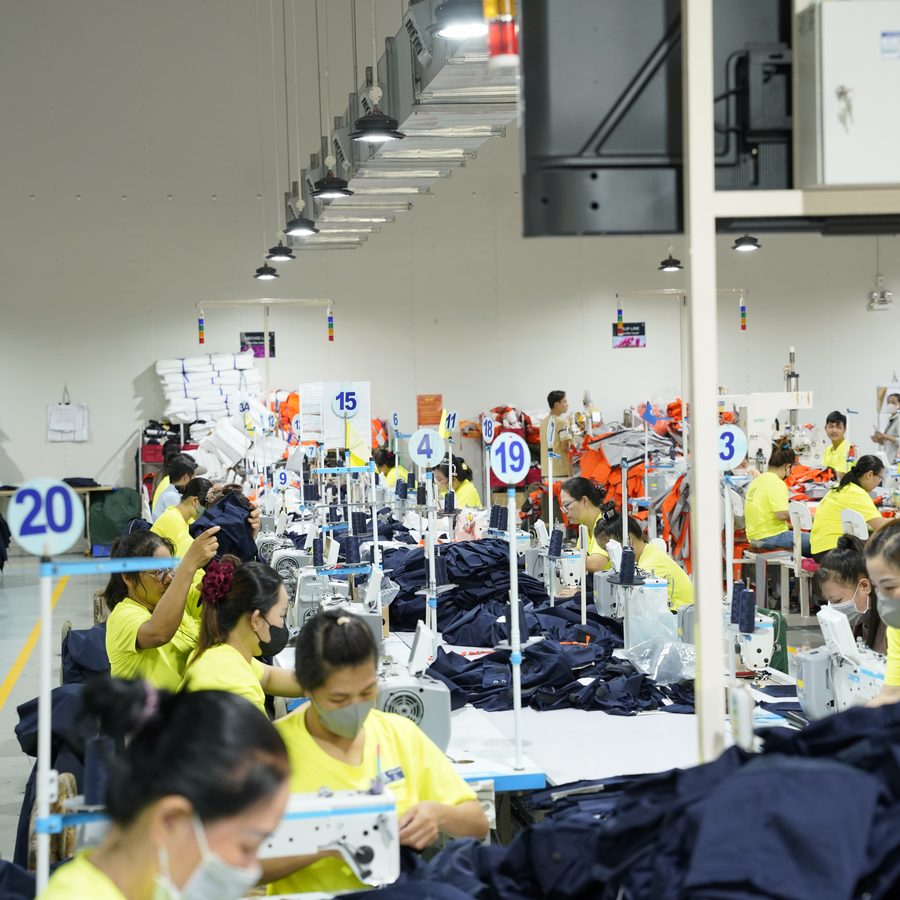
At Viking Vietnam, producing protective clothing is not only about sewing to the sample. It is the process of turning a technical requirement into a stable, reliable product that fits the protection needs of a specific environment.
1. EN ISO 11612 should be read by type of hazard
A common mistake when discussing heat and flame protective clothing is treating every heat risk as the same.
In reality, each working environment has its own form of hazard. A worker near a radiant heat source is not in the same situation as someone at risk of brief flame contact. Someone working near molten metal must be assessed differently from someone who may touch a hot surface.
So when reading EN ISO 11612, it helps to understand that the markings are not supplementary information. They tell you which risk groups the garment was tested against.
The risk groups usually considered are:
- Limited flame spread
- Protection against convective heat
- Protection against radiant heat
- Protection against molten metal splash
- Protection against contact heat
Each of these means something different in real use. The factory, the customer and the end user all need to be clear about which environment the garment is designed for.
2. Limited flame spread: the foundation of heat and flame protective clothing
For heat and flame protective clothing, limited flame spread is a foundational requirement.
When a worker has brief contact with flame or sparks, the material should not continue burning in an uncontrolled way. This is an important factor in reducing injury in unexpected situations.
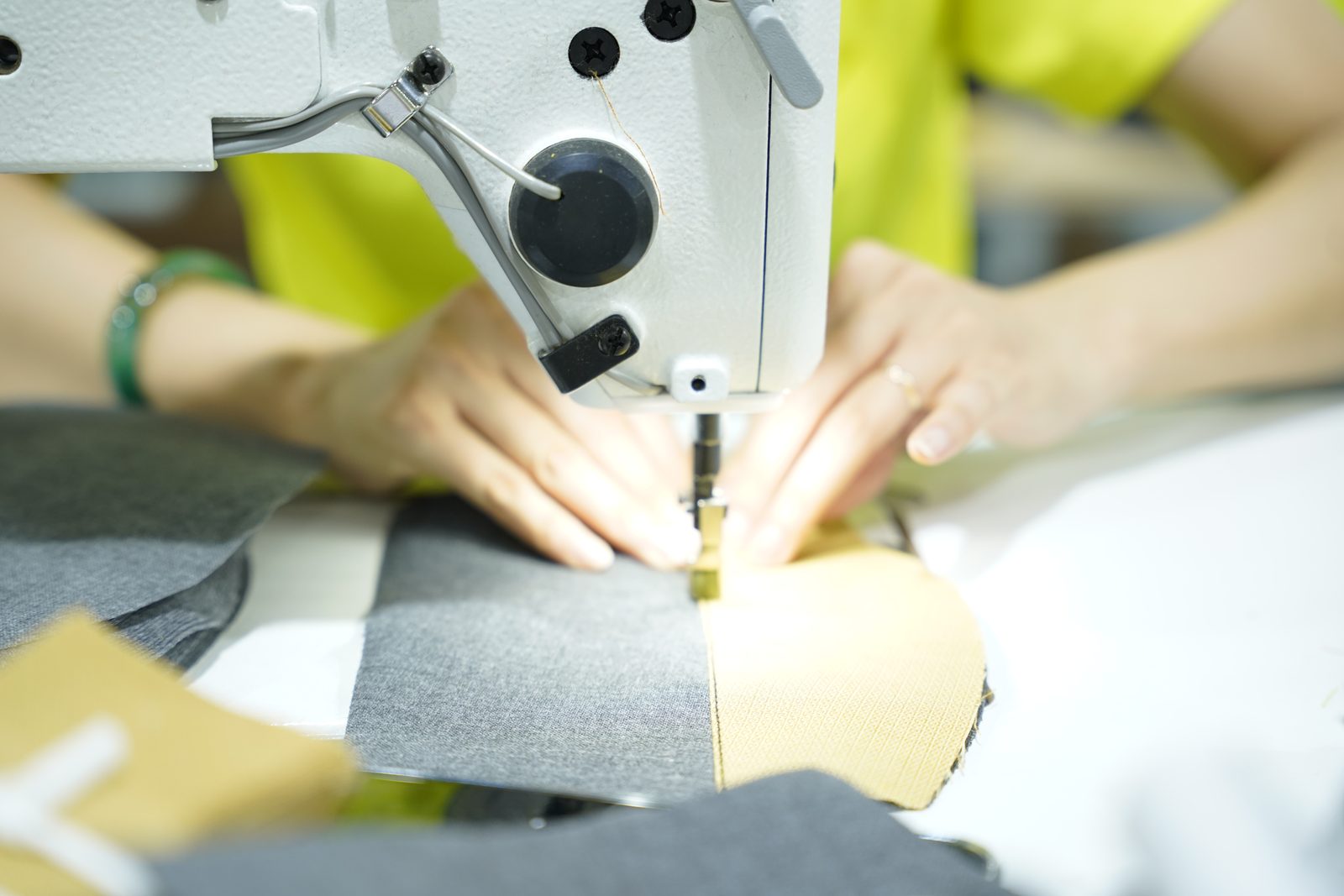
In production, limited flame spread does not depend on the shell fabric alone. It relates to the whole construction of the garment.
The elements to control include:
- Shell fabric
- Sewing thread
- Trims
- Tape or decorative details
- Logos or labels applied to the garment
- Pocket, placket and seam design
- Compatibility between material layers
If a garment uses compliant fabric but unsuitable trims, risk can still arise. In protective clothing you cannot verify one component in isolation and ignore the whole construction.
At Viking Vietnam, developing a protective product has to be seen as a system. Every component in the garment can affect the final protective function.
3. Convective heat: risk from the hot environment around the wearer
Convective heat is a risk that appears when a worker operates in an environment with hot gas, heat flow or hot vapour moving around the body.
It is not always easy to recognise by eye, but it can seriously affect the safety and health of the wearer.
When developing garments for convective heat environments, consider:
- Materials that reduce heat transfer
- The layer structure of the fabric
- The stability of the garment when exposed to heat
- Comfort over long wearing periods
- The wearer's freedom of movement
- A design that creates no dangerous gaps
A garment that is too heavy or too enclosed can make the wearer uncomfortable, which leads to incorrect use. A garment that is too light or unsuitable may not meet the protection need.
So producing heat protective clothing means balancing protection against the real experience of wearing it.
4. Radiant heat: a risk without direct contact that can still cause harm
Radiant heat travels from a strong heat source to the body without direct contact. In many industrial environments a worker may stand near a furnace, hot metal surfaces, a large heat source, or an area with high thermal radiation.
What is distinctive about radiant heat is that the wearer may never touch the hazard and still be affected by the thermal energy reaching the body.
When designing protective clothing for this risk, pay attention to:
- The ability to block or reduce radiant heat
- Which body areas face the heat source most
- The layer structure of the material
- The coverage of the garment
- The stability of the material after use
- Compatibility with other protective equipment
In production, an attractive design with insufficient coverage can reduce protection. Protective clothing therefore needs to be assessed the way the worker stands, moves and faces the heat source in the real environment.
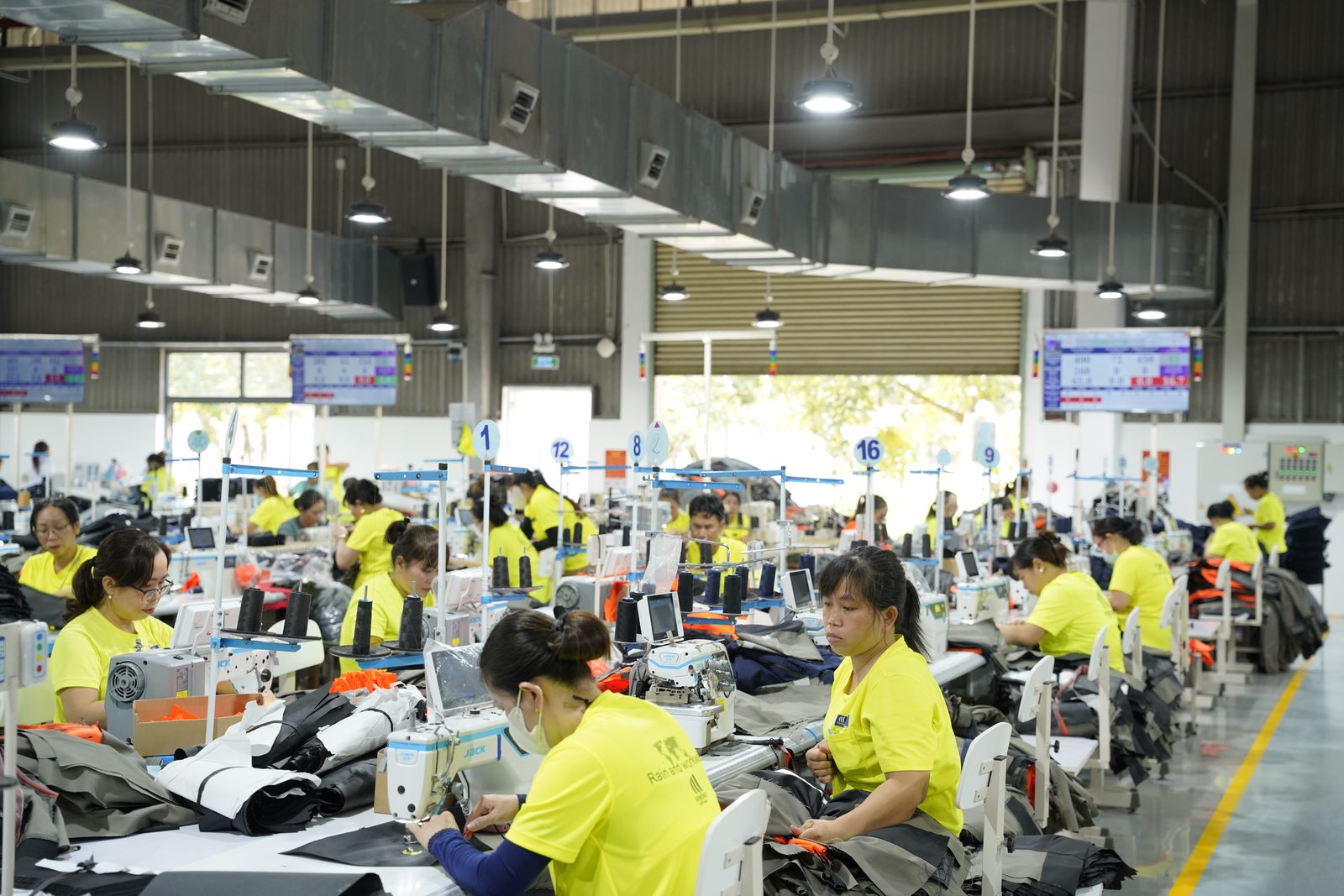
5. Molten metal splash: a risk requiring the right material and design
In some industries workers face the risk of molten metal splash. This is a very specific risk and needs careful assessment.
Not every flame resistant garment suits this hazard. Materials can react differently on contact with molten metal. The design also affects whether hot metal is held on the surface, falls into a pocket, catches in a fold, or stays in contact with the body longer.
The points to consider include:
- The shell material
- The surface of the material
- Pocket and placket design
- The direction in which molten metal falls
- Reducing retention of hot material on the garment surface
- Seams and construction in areas of likely contact
For this risk, design cannot focus on appearance alone. Pockets, flaps, folds, edges and trims all need to be reviewed from a safety point of view.
At Viking Vietnam, producing protective clothing for a specialised environment starts from a correct understanding of the end user's conditions of use.
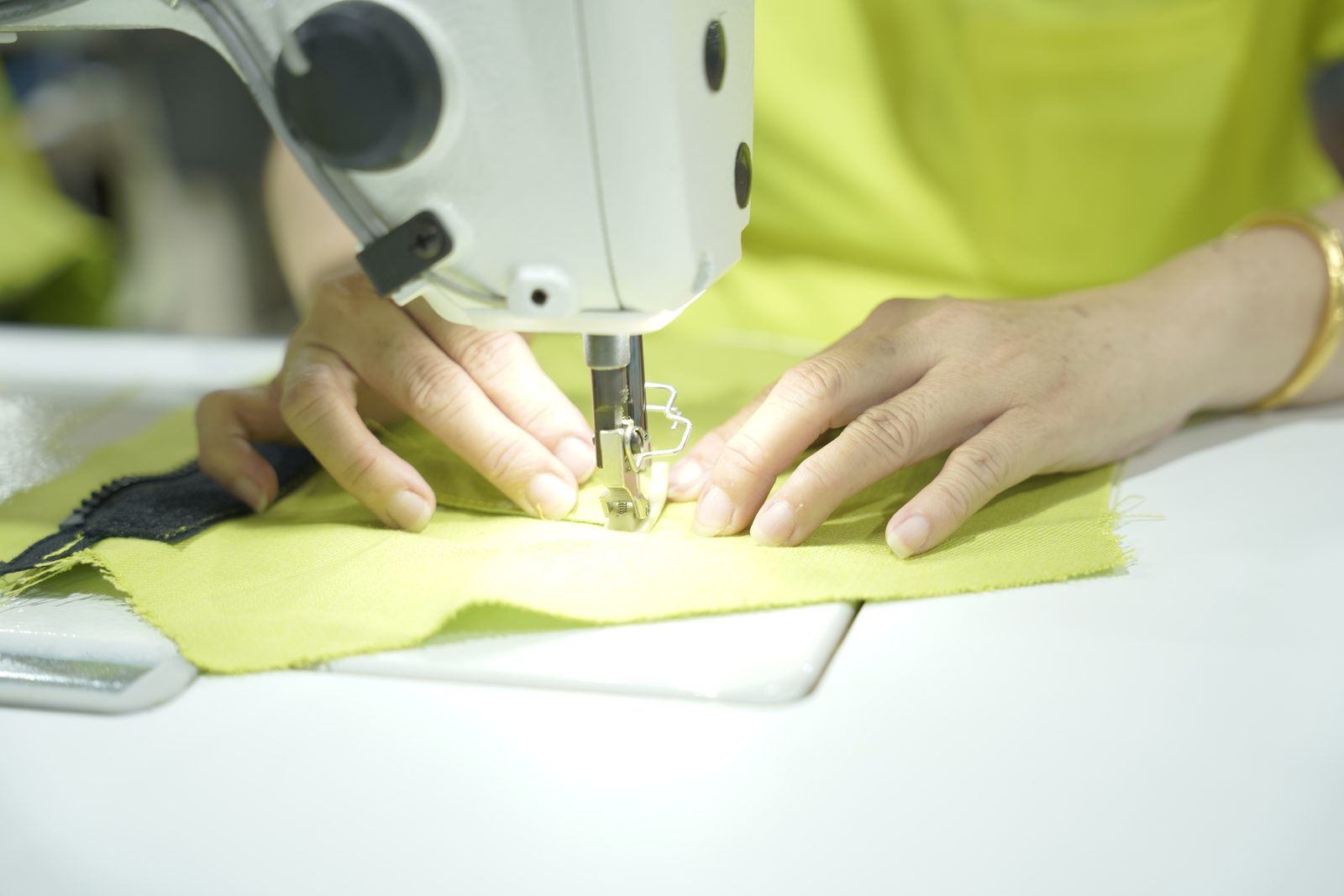
6. Contact heat: when a hot surface becomes a direct hazard
Contact heat occurs when a worker risks touching a hot surface during work. This may be equipment, machinery, tools, metal or an industrial surface at high temperature.
This risk requires the garment to reduce the effect of heat over a certain contact time. Protection also depends on where the contact happens and how the worker moves.
When developing products for contact heat environments, consider:
- Body areas likely to touch hot surfaces
- Material thickness and structure
- Retaining flexibility at work
- Seams in the affected area
- Compatibility with other protective equipment
- Wearability over a long shift without hindrance
A garment that is too stiff reduces freedom of movement. One that is too light may not match the level of risk. Design therefore has to balance protection, function and comfort.
7. Protective clothing cannot be chosen on a single marking
A garment may carry several technical markings, but selecting the right protective clothing should not rest on whether one particular marking is present.
The garment has to be placed in its real context of use:
- Which industry does the wearer work in
- Where does the heat come from
- Is exposure long or short
- Does the wearer need to move a great deal
- Is there a molten metal splash risk
- Does it need to work with gloves, helmet, eyewear or other equipment
- Does the garment need frequent industrial laundering
- Is the environment humid, hot, dusty or oily
Once these questions are clear, the choice of material, design and production process becomes far more accurate.
For Viking Vietnam this is why the technical discussion stage with a customer matters so much. A good protective garment starts from understanding the risk, not only from a design drawing.
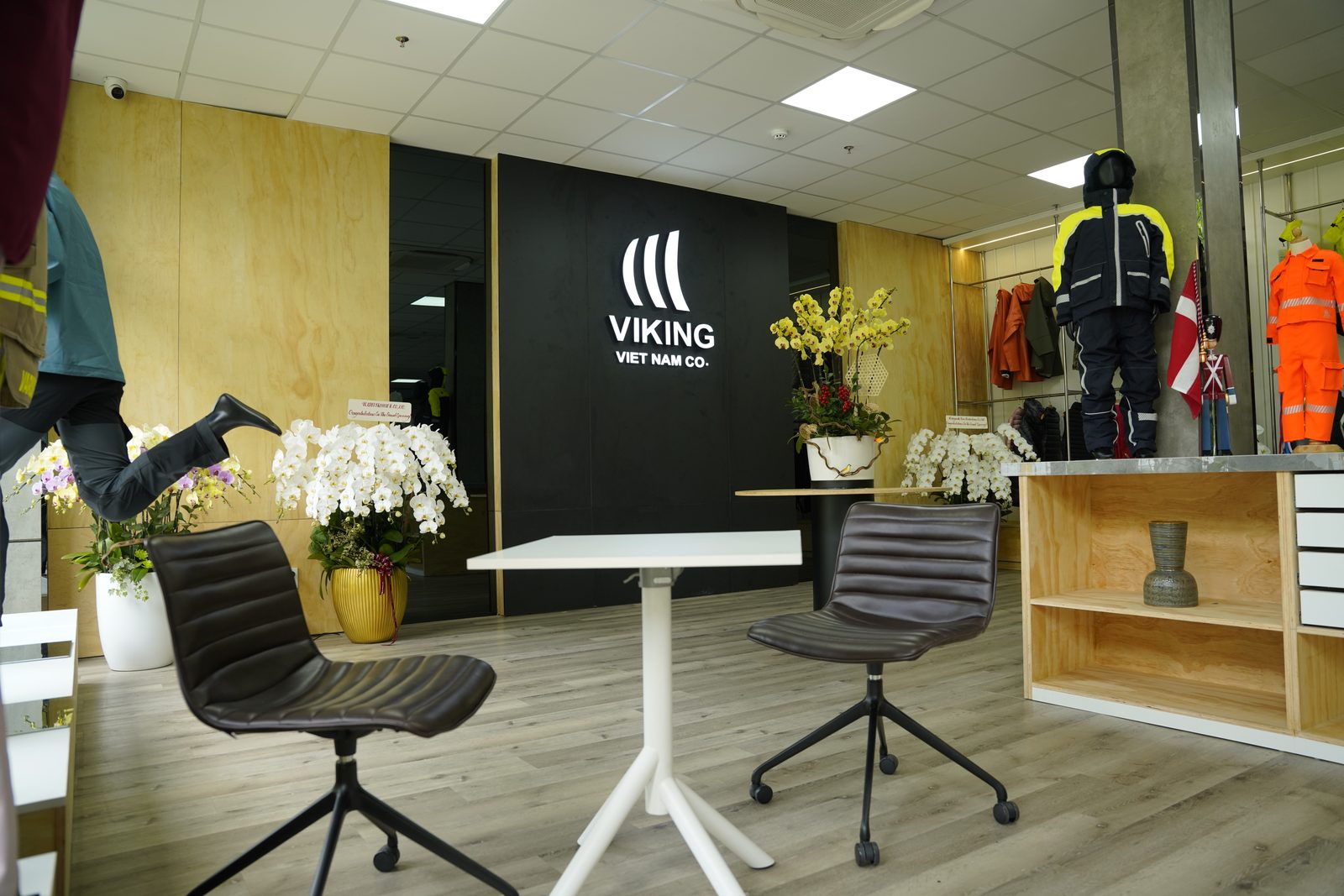
8. The factory's role in turning a standard into a real product
A standard is an important basis, but the factory is where a standard becomes a real garment.
To do that, the factory needs to control many elements in production:
- Understanding the technical requirements correctly
- Selecting materials suited to the purpose
- Controlling trims that relate to protective function
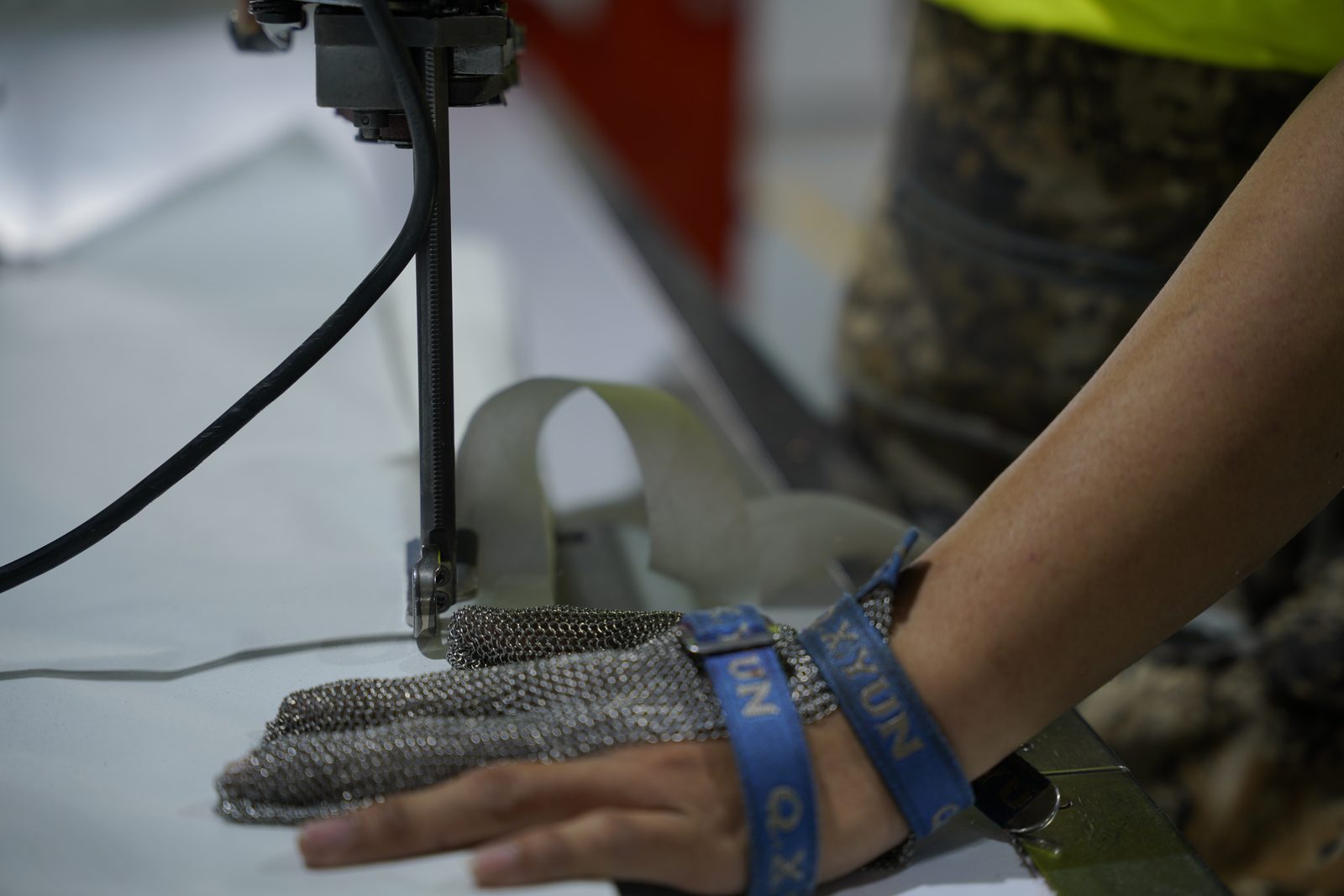
- Ensuring stable seams and construction
- Implementing the correct sewing method on the line
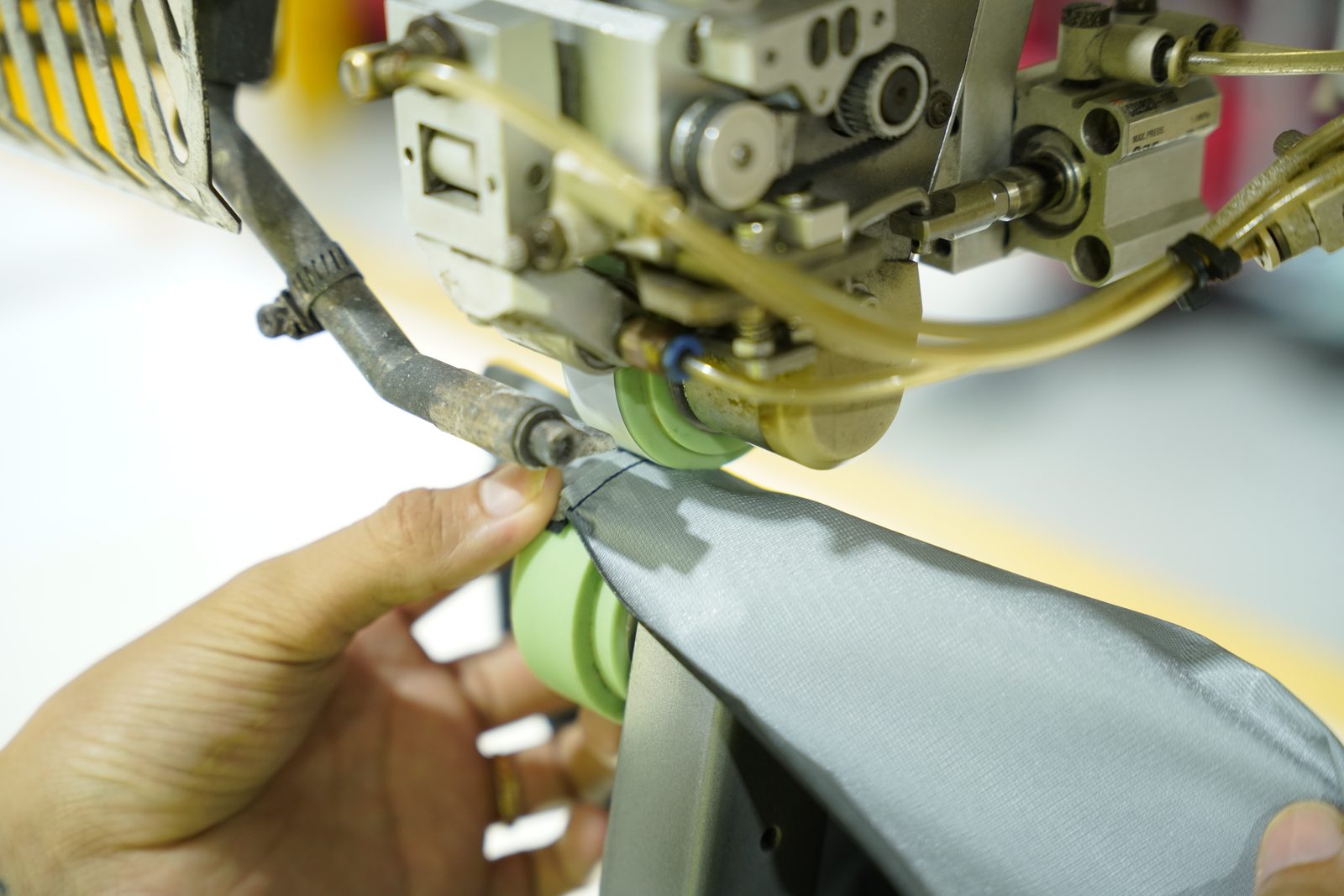
- Checking the operations that carry functional risk
- Maintaining consistency between approved sample and bulk production
In protective clothing a small deviation can affect performance in use. Technical, production, QC and order management therefore need to work closely together from sampling through to bulk.
At Viking Vietnam, manufacturing capability is not only about completing an order. It is also the ability to control technical detail, recognise risk and maintain consistent quality for international customers.
9. Viking Vietnam and technical protective clothing capability
Viking Vietnam has experience producing protective clothing and technical apparel for export markets. For products involving heat, flame or industrial protection, Viking focuses on understanding the product requirement correctly and controlling production systematically.
Our capability shows in:
- Experience in protective clothing and workwear production
- Coordination between technical, sample room, production and QC
- Control of materials and trims against the product requirement
- Implementing sewing processes that match the technical design
- Monitoring quality throughout production
- Working with customers to develop products for their target market
In protective clothing, a standard only becomes meaningful when it is turned into a suitable, stable and reliable product.
That is how Viking Vietnam approaches technical apparel manufacturing: start from understanding the risk, control the process correctly, and create a product with real value for the end user.
Summary of technical value
- EN ISO 11612 should be understood by heat risk group rather than as a single marking covering every working environment.
- Each hazard, whether flame spread, convective heat, radiant heat, molten metal or contact heat, calls for a different material and design approach.
- Protective clothing should be developed from the real conditions of use of the end wearer.
- The factory plays a decisive role in turning a standard requirement into a stable product in bulk production.
- Viking Vietnam focuses on technical control, cross department coordination and consistent quality in technical protective clothing.
Connect with Viking Vietnam
If you are looking for a manufacturing partner for technical protective clothing in Vietnam, Viking Vietnam is ready to work with you through product development, technical control and export production.
We support customers in building protective products suited to the environment of use, the technical requirement and the standards of international markets.
Connect with Viking Vietnam to develop protective clothing that is safe, stable and reliable for workers worldwide.