The Gore licence is not a logo. It is a patented seam-sealing process, mandatory operator training, and a sample approval carried out by a third party before production.
Most garment factories can make a jacket. Fewer can seal a seam that stays watertight after twenty wash cycles.
That is the real gap between waterproof product and product that looks waterproof. It is also why the Gore licence exists.
This article explains what the licence actually covers, and what it guarantees for the brand placing the order.
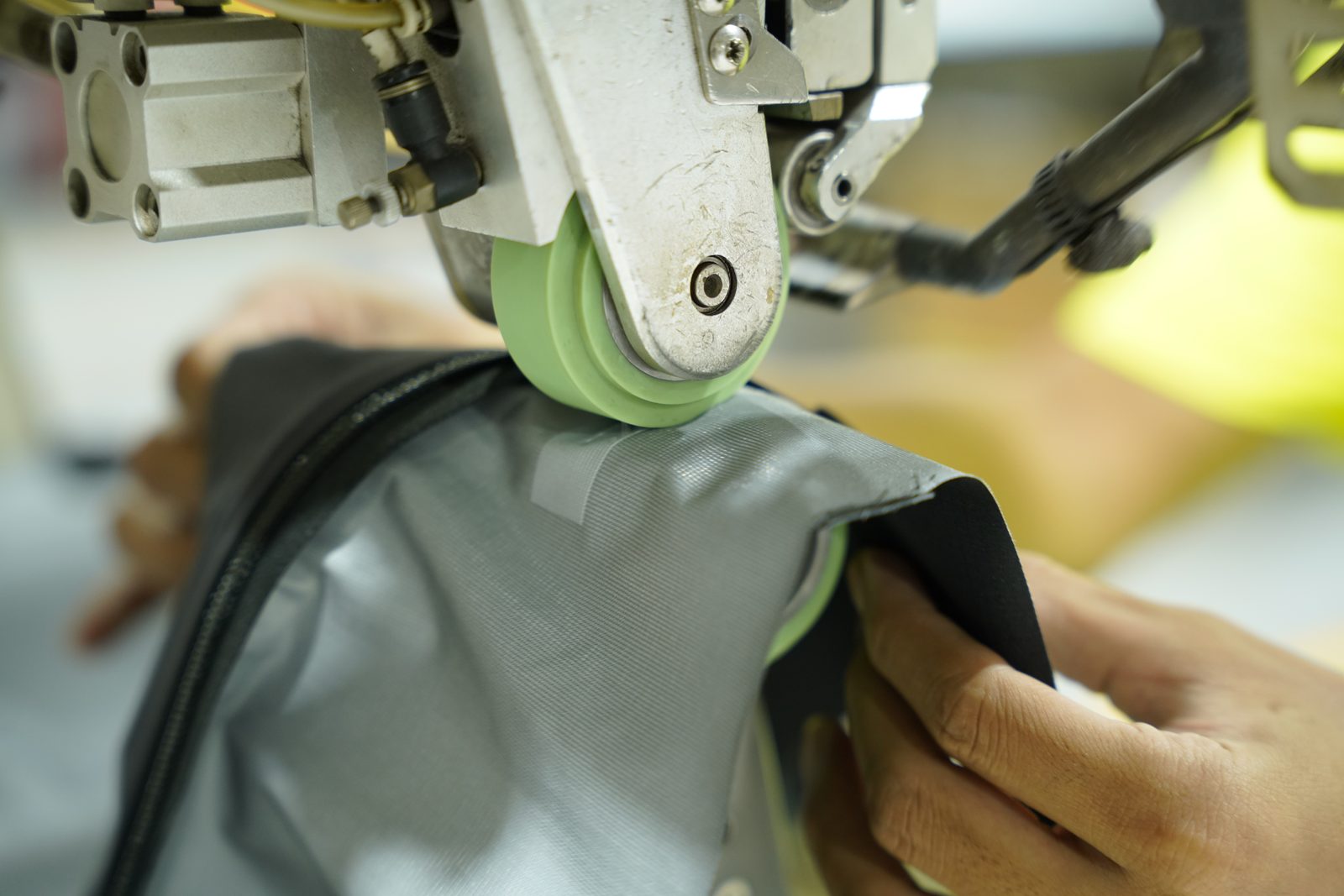
Seam tape being applied to a membrane fabric seam at Viking Vietnam
The licence is not a logo
Gore states that only manufacturers complying with its standards can become an official Gore partner.
A licensed factory receives three things: a patented seam-sealing process together with the dedicated seam tape, mandatory training for the people operating it, and guidance on machinery.
The word to note is mandatory. This is not reference material a factory applies as far as it chooses.
What is tested, and by whom
Gore publishes the testing system applied to materials and products, including:
|
Test |
What it measures |
|
Martindale abrasion |
Surface durability under the friction of real use |
|
Rain tower, per DIN EN ISO 24231 |
Waterproofness across a 5 to 25 degree C range |
|
RET |
Breathability, measured as resistance to moisture vapour transfer |
|
Environmental chamber |
Material behaviour from minus 50 to plus 50 degrees C |
What matters to you is not the names of the tests. It is that the party testing is not the factory.
A factory declaring its own product waterproof is a claim. A sample approved by the licensor is a record you can put in front of an assessment panel.
Where this approval sits in your calendar
If the licensor sample approval is not in the plan from the start, it appears late, after you have already committed a delivery date to your own customer. At that point every option is expensive.
At Viking this is step 8 of the ten-step development process, ahead of customer confirmation and ahead of production. It sits in the schedule rather than arriving as a surprise.
Three questions to ask any factory
-
Since what year has the factory held the licence, and when were the seam-sealing operators last trained? A licence is a maintained status, not a one-time award.
-
Show waterproof test results on the finished garment, not on the fabric. Fabric can pass while the seams leak, and the garment still fails.
-
At which step does licensor sample approval sit, and how long does it take? The answer tells you whether the factory genuinely runs this step regularly.
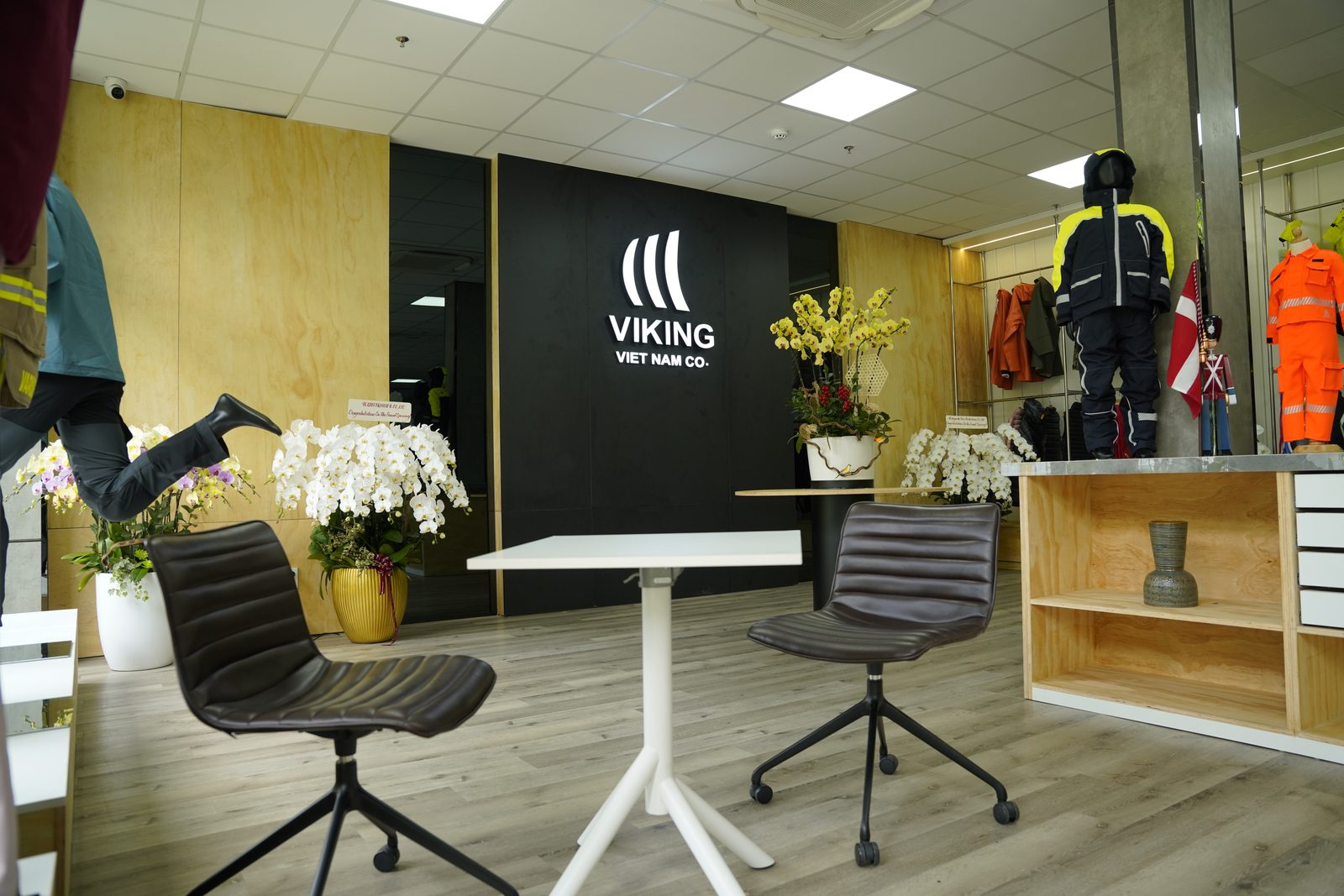
The product showroom at Viking Vietnam
Viking and this licence
Viking Vietnam has held the Gore licence since 2009 and manufactures this product line for Northern European, German, US and Japanese markets.
Viking moved production to Vietnam in 1999 and began manufacturing in its own facility in Ho Chi Minh City in 2004. The factory now employs over 400 people and produces more than 400,000 high-end garments a year, holding ISO 9001 since 2010, SA 8000 since 2013 and ISO 14001 since 2016.
Next step
Send the tech pack for one waterproof style for the Viking technical team to assess and tell you which week of your calendar the licensor approval will fall in.