At the same outdoor temperature, a static worker and an active worker need two different garments. This article covers nine technical factors, from how the body generates heat to layering, fit and production control.
In producing protective clothing and cold weather workwear, one of the most important factors is understanding the wearer's real working conditions. At the same outdoor temperature, how cold a worker feels and what protection they need can differ greatly depending on activity level, exposure time, wind, humidity and the type of work.
Someone standing still in the cold needs steady insulation. Someone moving constantly, lifting, climbing stairs, operating equipment or working outdoors for hours needs a garment that balances warmth against moisture release.
If a design focuses only on thickness or insulation without accounting for activity level, the garment may not suit real use. The wearer can be cold when standing for long periods, or the opposite: hot, damp with sweat and uncomfortable while working continuously.
At Viking Vietnam, producing thermal workwear is not simply selecting thicker material. It is the process of understanding the working environment, how the wearer moves, and the technical requirements needed to protect them better in real conditions.
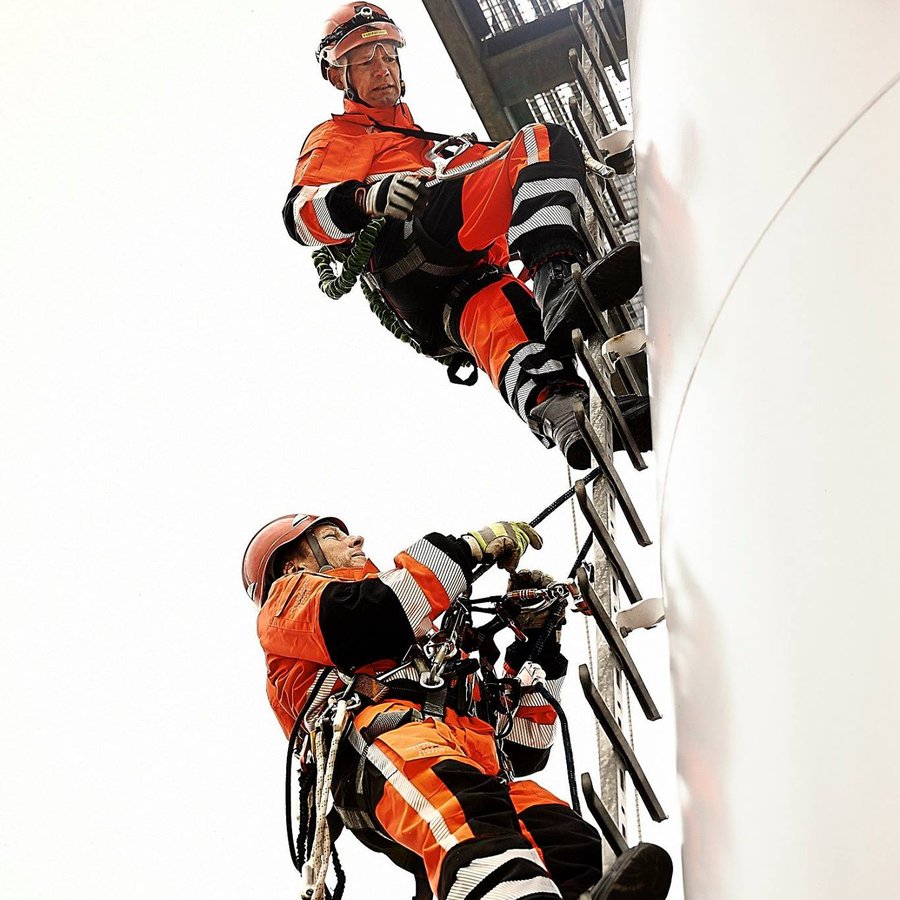
1. Cold when standing still is not the same as cold when moving
In a cold environment the human body responds differently depending on activity.
When a worker stands still or moves little, the body generates less heat. The garment then has to support insulation more strongly to reduce heat loss to the surroundings.
When a worker moves a great deal, the body generates heat and sweat. If the garment cannot release moisture or regulate heat adequately, moisture accumulates inside. When the wearer stops, that dampness makes the body cool far faster.
So when developing thermal workwear, it is important to distinguish:
- Whether the wearer is static or moving a great deal
- Whether the work is indoors or outdoors
- Whether the wearer is exposed to wind, rain, snow or humidity
- How long the shift in the cold environment lasts
- Whether the wearer needs multiple layers
- Whether the work requires continuous movement of arms, shoulders, back or legs
An effective thermal garment depends not only on ambient temperature but on how the wearer's body works within that environment.
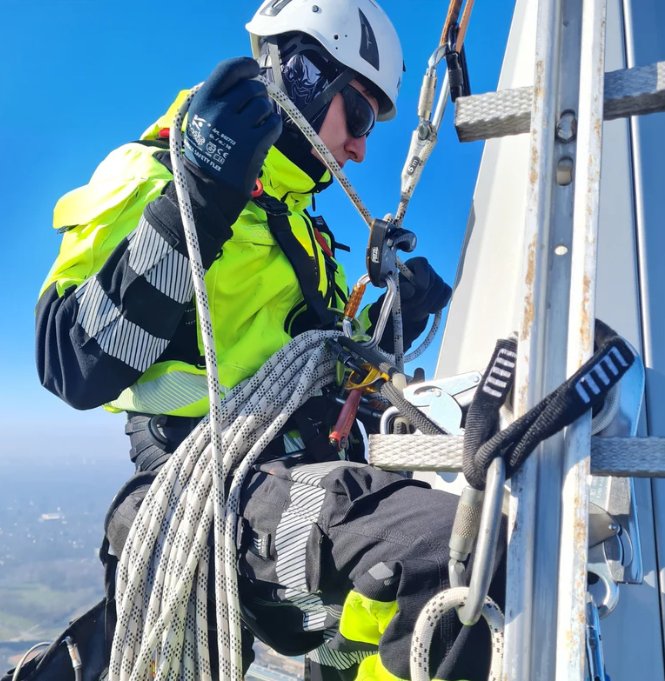
2. Design for static workers should prioritise steady insulation
For workers who stand still or move little in the cold, the greatest risk is losing body heat over a long period.
This group can include:
- Outdoor security personnel
- Operators at a fixed workstation
- Cold store workers
- Outdoor inspection and supervision staff
- Night shift workers in low temperatures
For this group, the garment should prioritise:
- Steady insulation
- Suitable insulating layers
- Construction that limits cold air entry
- Collar, cuff and hem design that reduces heat loss
- Comfort over long wearing periods
- Reasonable weight so it does not cause fatigue
A garment that is too thin may not protect someone standing for hours. But one that is too heavy or too stiff also causes discomfort and reduces real world use.
Design therefore has to balance insulation, garment weight and the comfort of the wearer.
3. Design for active workers must balance warmth and moisture release
For workers who move constantly, the issue is not only retaining heat. The more important issue is managing heat and moisture inside the garment.
This group can include:
- Logistics staff
- Loading and handling workers
- Warehouse personnel
- Outdoor construction workers
- Equipment operators
- Anyone moving continuously through a shift
When the body works, heat and sweat rise. If the garment is too enclosed, the wearer becomes hot, damp and uncomfortable. When movement stops, that internal moisture makes the body lose heat faster.
For this group the garment needs attention to:
- Moisture release
- A construction that flexes with movement
- Suitable ventilation areas
- Weight that is not excessive
- Design that supports arm, shoulder, back and knee movement
- Compatibility with inner layers
The best garment for an active worker is not necessarily the thickest one. It is the one that helps the wearer stay warm, dry and comfortable at the same time.
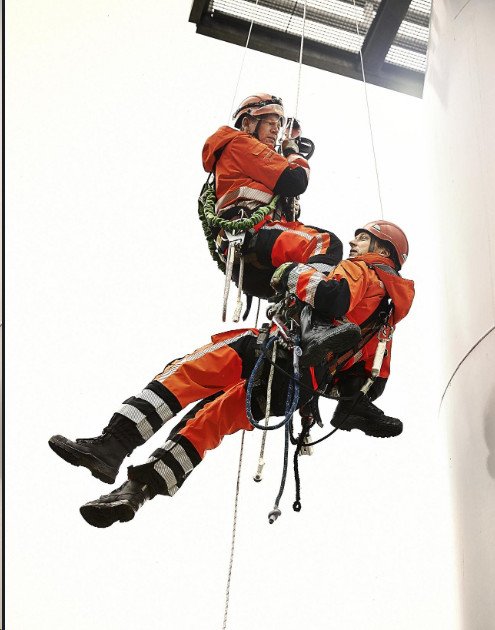
4. Wind and humidity change how cold feels
In a real working environment, temperature is not the only factor deciding how cold it feels. Wind and humidity can make a wearer feel far colder than the recorded temperature.
Wind accelerates heat loss from the body. Humidity reduces the insulating performance of some materials. When clothing is damp, the wearer loses heat faster, particularly when standing still after a period of activity.
Thermal workwear therefore needs to consider:
- Wind resistance
- Water resistance or light water protection for outdoor work
- Moisture release from inside
- Seam construction and points where wind enters easily
- Storm flap design over the zip
- Collar, hood, cuffs and hem
For outdoor workwear, cold protection cannot be separated from wind protection and moisture management. A garment that insulates well only in dry conditions may not be enough for the real working environment.
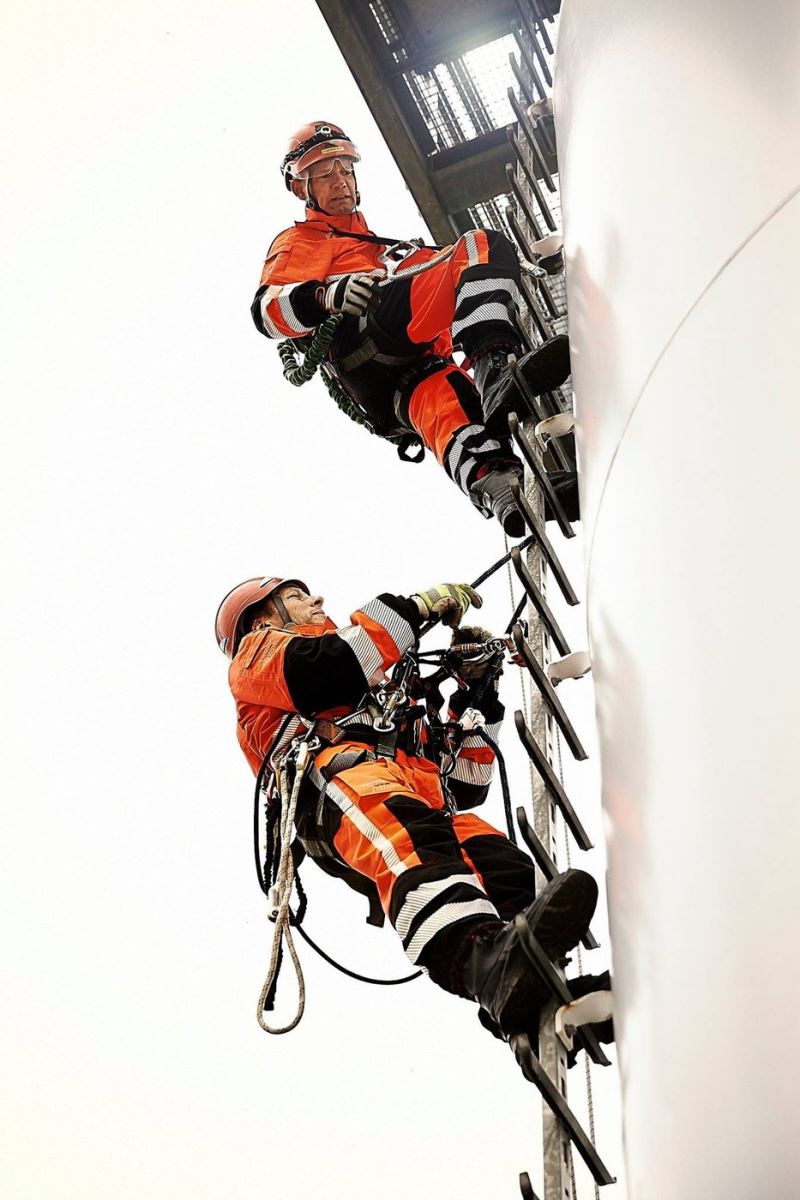
5. A layered structure optimises protection
Effective thermal clothing rarely depends on a single layer of material. A layered structure lets the garment balance protection, comfort and durability.
A cold weather garment structure may include:
- An outer layer that resists wind, water or abrasion
- A middle layer providing insulation
- An inner layer that feels comfortable against the body
- Details that help release vapour or adjust closure
- Trims such as zips, cuff ribs, drawcords and storm flaps
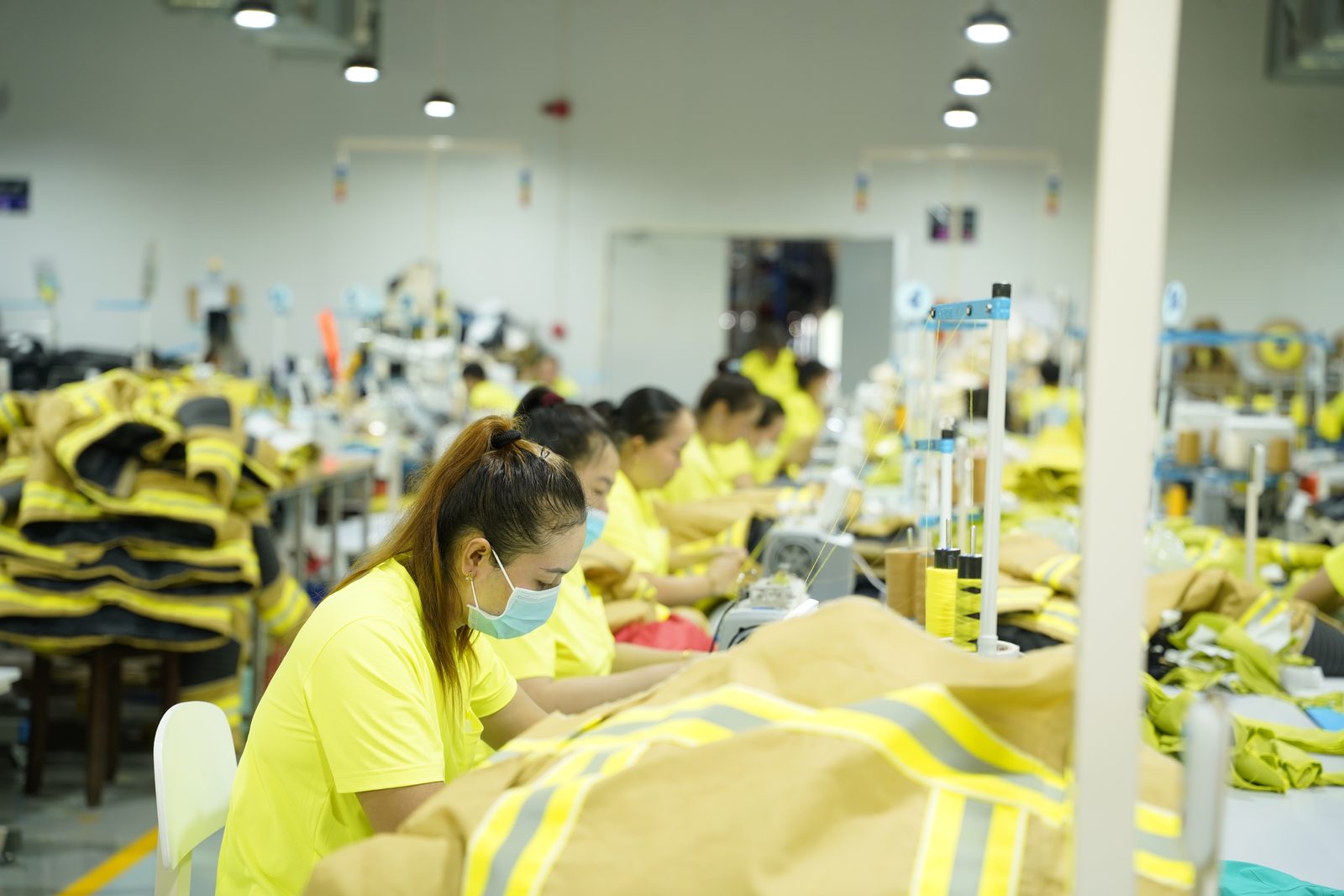
In production, each layer has to be compatible with the others. If the outer layer is too stiff, the garment restricts movement. If the insulation is unstable, warmth declines after use. If the inner layer is uncomfortable, the wearer will not want to keep it on for long.
At Viking Vietnam, developing thermal products has to be seen as a system. Every layer, every seam and every design detail affects the wearer's final experience.
6. Fit affects how well a garment keeps you warm
Thermal clothing needs not only the right material but the right shape and fit.
If a garment is too loose, cold air enters more easily and insulation falls. If it is too tight, the wearer struggles to move and the insulating air layer inside is compressed.
A suitable design considers:
- Enough room for inner layers
- Flexibility when raising arms, bending or rotating shoulders
- Body length that still covers during movement
- Adjustable cuffs and hem
- A hood or collar that protects without blocking vision
- A shape suited to real working postures
At work, the wearer does not stand still as they do at a fitting. They bend, reach, pull, lift, twist and move continuously. Fit therefore needs to be verified in real working postures.
7. Durability matters in cold weather workwear
Thermal workwear takes more punishment than ordinary clothing. The wearer may work with high abrasion, in dust, oil, water, wind and low temperature, or in contact with equipment and tools.
So beyond insulation, the garment needs appropriate durability.
The elements to control include:
- Outer fabric durability
- Stability of the insulating layer
- Seam strength
- Strength of zips and trims
- Retention of shape after use
- Laundering performance to the customer's requirement
- Stability of adjustment features
A warm garment that degrades quickly will not meet the requirements of the workwear market. For international customers, durability is an important part of both quality assessment and total cost of use.
8. Production control keeps quality consistent between shipments
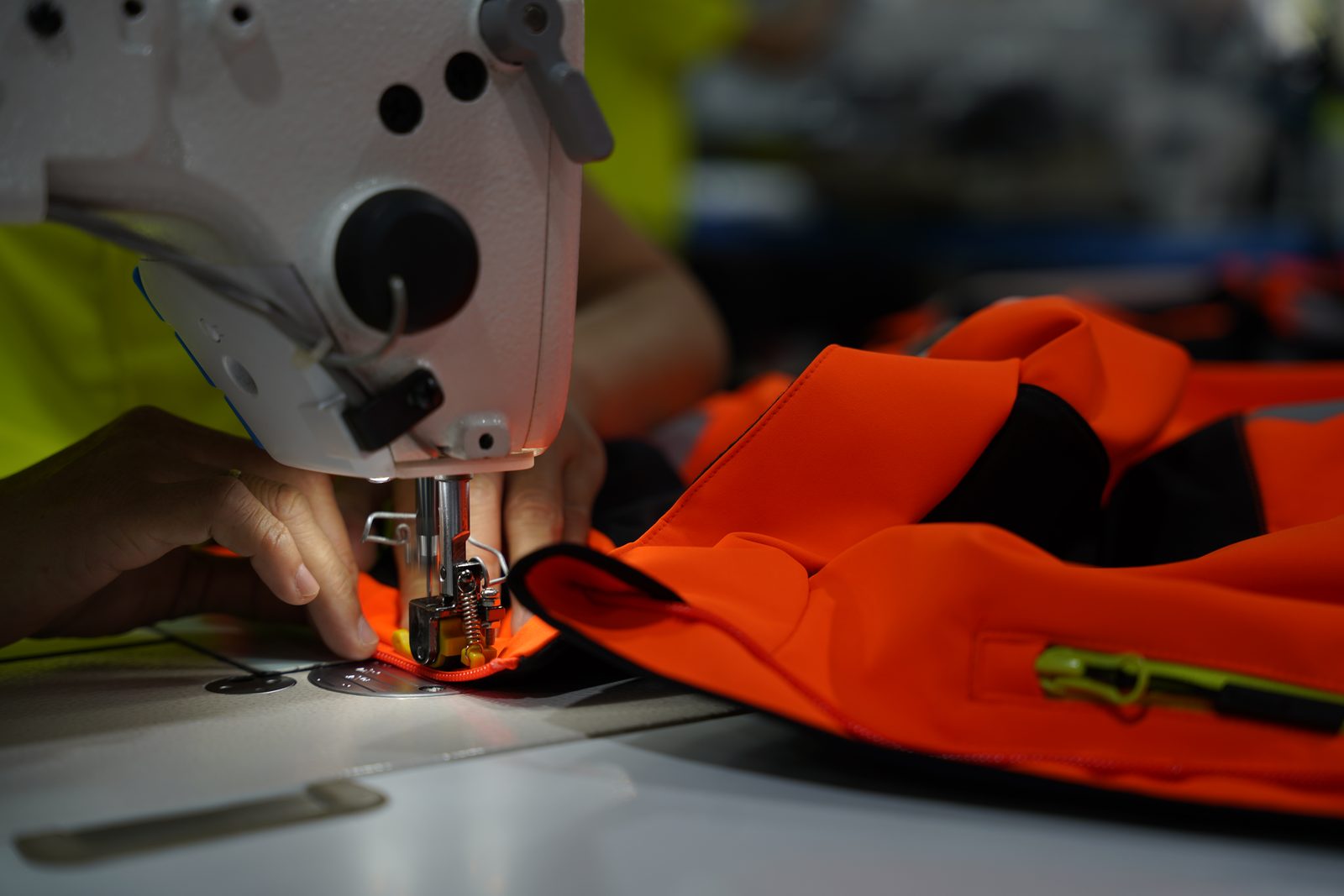
In bulk production the challenge is not making one good sample. The greater challenge is holding quality steady across many sizes, colours, shipments and production periods.
For thermal garments the factory needs to control:
- Material weight and consistency
- Evenness of the insulating layer
- Accuracy in quilting, sewing and assembling layers
- Balance between front body, back body, sleeves and hood
- Shape stability after finishing
- Trim positions and functional details
- Finished goods inspection before packing
If production is not stable, the same design can produce garments that feel different to wear. That affects the confidence of both the customer and the end user.
At Viking Vietnam, production control is what turns a design into a product that stays consistent in reality.
9. Viking Vietnam and technical thermal workwear capability
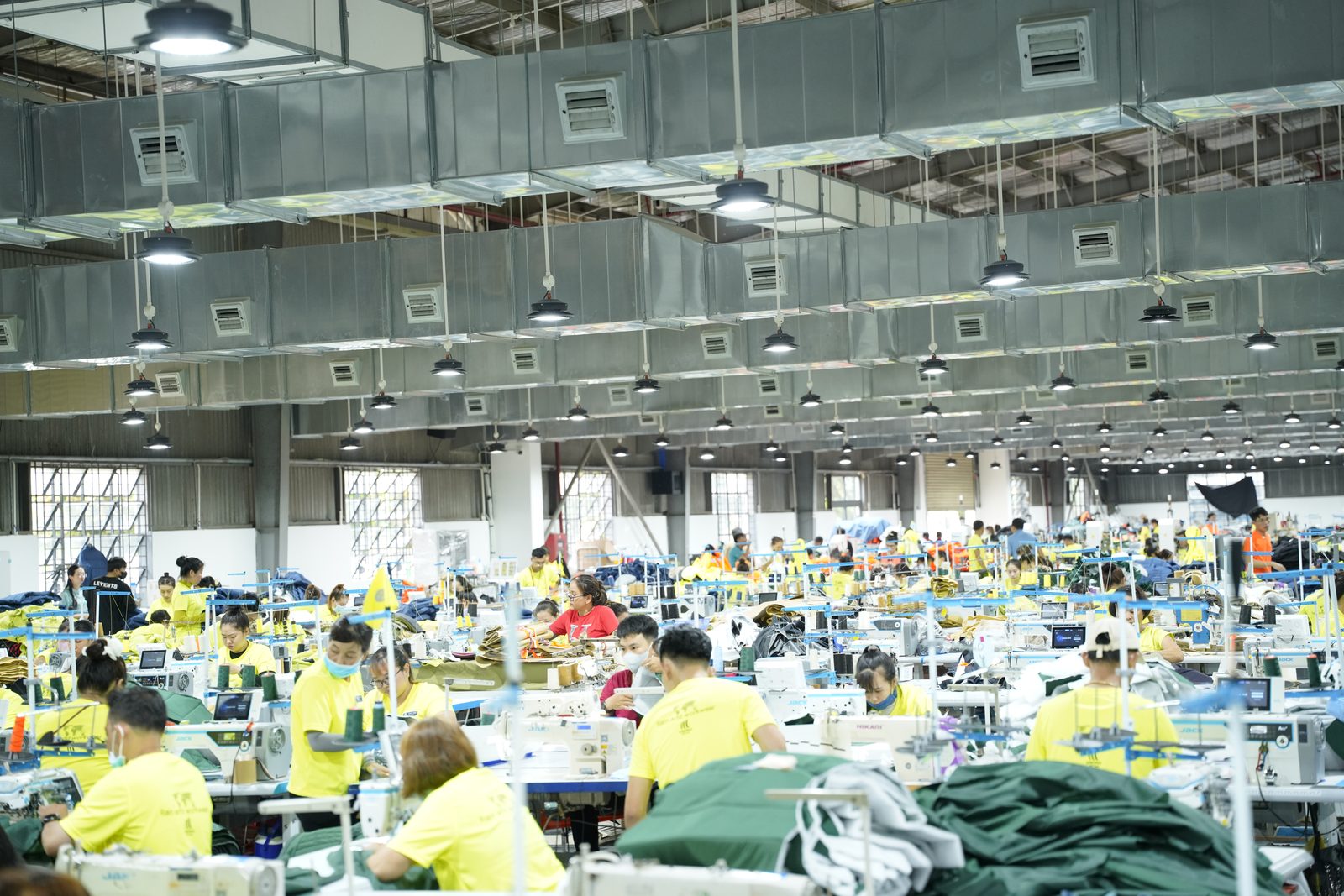
Viking Vietnam has experience producing workwear, outdoor and technical apparel for export markets. For thermal products, Viking focuses on the combination of material, design, sewing process, quality control and the real experience of use.
Our capability shows in:
- Understanding the requirements of each working environment
- Coordination between technical, sample room, production and QC
- Control of materials, insulation and trims
- Verifying fit and freedom of movement
- Maintaining consistent quality in bulk production
- Working with customers to develop products for international markets
In thermal workwear, a good product is not simply a thick or heavy one. A good product protects according to the actual need, suits the intensity of the work, and can be worn comfortably in real conditions.
Summary of technical value
- Cold when static and cold when active need to be considered differently when designing thermal workwear.
- Less active wearers need steady insulation, while highly active wearers need a balance between warmth and moisture release.
- Wind, humidity, exposure time and work intensity all affect how well a garment protects.
- Layered structure, fit, durability and freedom of movement are key factors in cold weather workwear.
- Viking Vietnam focuses on stable production, technical control and product development suited to real conditions of use.
Connect with Viking Vietnam
If you are looking for a manufacturing partner in Vietnam for thermal workwear, cold weather workwear or high performance apparel, Viking Vietnam is ready to work with you.
We support customers in developing products suited to the working environment, the technical requirement and the standards of international markets.
Connect with Viking Vietnam to develop thermal workwear that is durable, reliable and fit for the needs of workers worldwide.