Workforce stability is a quality indicator. This article sets out the five real reasons skilled operators leave, what retains them without large budgets, and the measures a factory should track.
The quality of a technical garment sits in the hands of the operator who has made it a thousand times. When that person leaves, the customer feels it, without ever knowing their name.
During factory audits, international customers ask carefully about certificates, procedures, equipment and records.
Very few ask this: “How long has the best operator on this line been here?”
It is a more valuable question than it appears.
This article is about something usually treated as a factory's internal affair, but which directly affects the quality and the delivery a customer receives: why skilled operators leave, and what actually keeps them.
1. Why this is the customer's problem too
On technical garments, skill cannot be replaced by procedure.
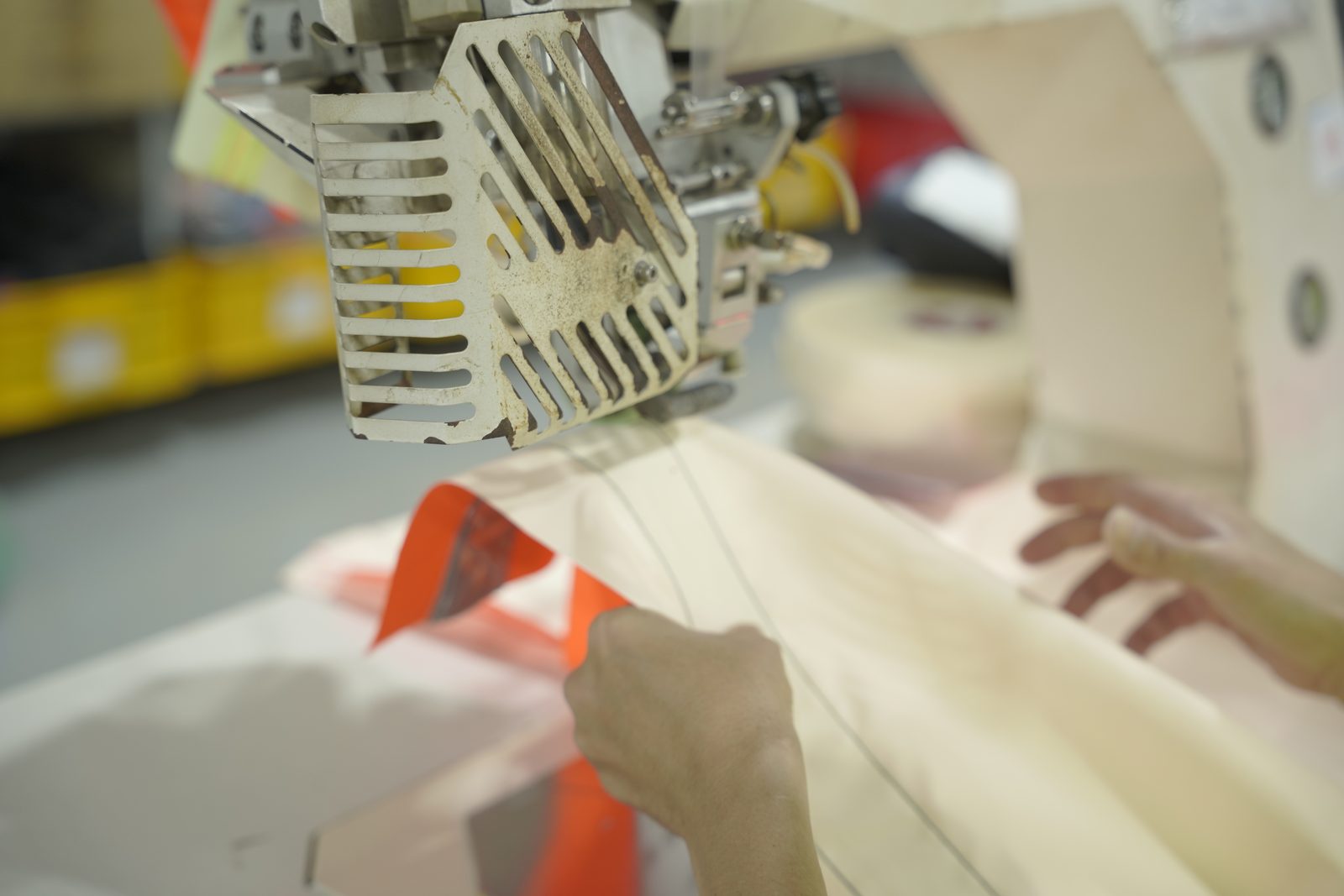
An operator who has spent two years on waterproof jackets knows things no document contains: how much tension a coated fabric will take before it distorts, the feel of a needle beginning to dull, which areas pucker if the pace rises, when to stop and ask rather than decide alone.
When that person leaves and someone new takes the position, what follows is very concrete:
- Output at that operation drops for weeks.
- The defect rate at that operation rises.
- The line goes out of balance, affecting operations downstream.
- The line leader spends time coaching, so has less time to control everything else.
- QC has to inspect that operation more densely.
The customer sees none of this. They see one shipment with a higher defect rate than usual, or one delay that is never clearly explained.
Workforce stability is a quality indicator, not an HR indicator.
2. The real cost when a skilled operator leaves
Many factories count only the cost of recruiting a replacement. That is the smallest part.
The real cost includes:
- Recruitment time and the time the line runs short-handed.
- Training time, during which the coach also produces less.
- The period before the new operator reaches standard output, on technical operations, often months.
- Defects and rework during that period.
- Knowledge lost, recorded nowhere.
- The effect on those who stay, particularly when the leaver was respected on the line.
That last point is rarely discussed and very real. When a long serving person leaves, others begin asking themselves whether they should stay. One resignation is seldom just one.
3. Pay is a precondition, not a reason to stay
This part needs stating clearly to avoid misunderstanding.
If pay is below the local level, no policy will retain anyone. Fair, liveable pay is a requirement, not an option.
But once pay is competitive, a difference of a few percent is rarely the real reason a skilled operator leaves.
What is more commonly seen: someone with six years of experience and strong skills moves to another factory for almost identical pay. Asked why, the answer is almost never money.
4. Five real reasons skilled operators leave
First: speaking up and not being heard.
Long serving operators are the first to spot a problem. They know this fabric lot differs from the last, that this detail will be difficult at speed, that this machine is about to give trouble.
If they report it three times with no response, the fourth time they stay silent. And when an experienced person goes quiet, the factory loses the best early warning system it has, usually well before any resignation is submitted.
Second: being blamed for something that was not theirs.
This is the most damaging reason of all.
The new fabric lot is heavier, the specification was not updated, a trim was substituted without notice, the machine was overdue for service, but when the defect appears, the first question goes to the person at the machine.
A good operator can take pressure. It is much harder to accept blame for something outside their control.
Third: unreliable machines and tools.
Few people realise how exhausting this is.
A skilled operator wants to produce good work. When the machine keeps faulting, the needle is the wrong type, the lighting is poor or the chair is unsuitable, they cannot do good work however much they want to. Sustained helplessness erodes motivation faster than output pressure does.
Fourth: no visible way forward.
After five years, a skilled operator asks: who will I be in this factory next year?
If the answer is “the same as today”, they start looking outside. It does not have to be a title, it can be training on a harder operation, coaching newcomers, joining sample runs, being consulted when a new style arrives.
Fifth: the relationship with the immediate line leader.
This is the strongest factor of all.
Operators do not experience “the company”. They experience their line leader, eight to ten hours a day. A fair, calm line leader who listens retains people better than any benefits package.
Equally, a line leader who is technically excellent but short tempered can bleed people steadily while management never understands why.
5. What retains people without large budgets
Everything below can be started immediately, without significant spending:
- Answer every technical report, even when the answer is “we cannot change it”. What discourages people is not being refused, it is not being answered.
- When a defect appears, ask “what happened” before asking “who did it”. The order of those two questions changes the whole atmosphere of a line.
- Service machines on schedule rather than on failure. It is both a technical measure and a message: your work deserves good tools.
- Let experienced operators train newcomers, and recognise it. It preserves knowledge and gives them a new role at the same time.
- Tell operators what the product is for and who wears it. Someone sewing protective clothing for firefighters works differently once they know that.
- Train line leaders in working with people, not only in technique. Most line leaders are promoted for their skill and never taught how to manage.
- Announce changes before they happen. Unclear information is always filled in with rumour, and rumour is always worse than the truth.
6. The line leader is the decisive link
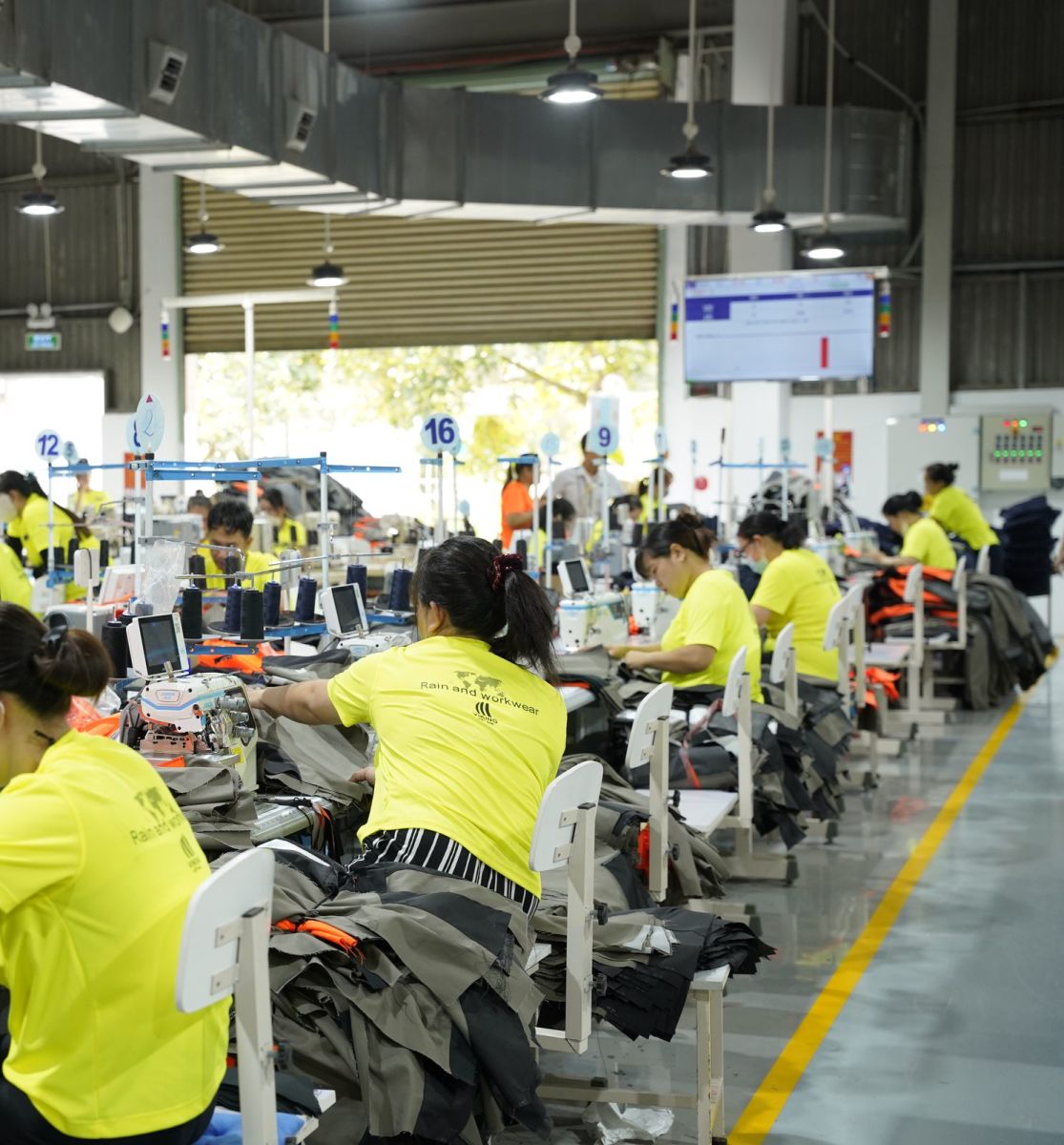
If a factory could choose only one action to retain people, it would be investing in line leaders.
The reason: the line leader is the only person present on the spot, every day, able to resolve a problem while it is still small.
A well prepared line leader knows how to:
- Recognise discouragement before a resignation arrives.
- Handle friction on the line without anyone losing face.
- Allocate work by actual capability rather than by habit.
- Carry operators' concerns upward, and bring the answer back down.
- Give recognition at the right moment, not speak up only when something goes wrong.
None of these skills come automatically with technical ability. They have to be taught.
7. The measures a factory should track
What is not measured cannot be managed. These four tell you more than a single overall turnover figure:
- Turnover within the first 90 days. This reflects the quality of recruitment and initial training, not pay.
- Turnover by line. If one line loses noticeably more people than others under the same conditions, the cause usually sits with how that line is run.
- Average tenure at difficult technical operations. This is a direct quality risk indicator.
- The number of operations only one person can perform. Each one is a fracture point in the factory's capability.
The last measure is usually the most surprising the first time it is counted.
8. Questions a buyer should ask during an audit
If you are a buyer and want to know whether a factory's workforce is stable, these five questions tell you more than an HR report:
- What is the average tenure of operators at technical operations?
- How many operations can currently be performed by only one person?
- What training do line leaders receive beyond technical training?
- When an operator spots a technical problem, who do they tell, and how quickly are they answered?
- What is turnover within the first 90 days?
A factory that can answer four of these five is a factory genuinely managing its workforce.
9. Viking Vietnam's approach
Viking Vietnam manufactures high performance apparel, workwear, rainwear, waterproof garments, protective clothing and outdoor apparel for customers in Europe, the United States and Japan.
On these product lines, skill is part of manufacturing capability, not a cost line. Viking's work therefore focuses on:
- Training line leaders in both technique and working with people.
- Widening the number of operators able to perform difficult operations, so no operation depends on one person.
- Scheduled machine maintenance, so operators have stable tools to work with.
- Answering technical reports from the line, even when the answer is that nothing can change yet.
- Telling operators where the product they are making is used and who wears it.
- Recording the knowledge of long serving staff so it does not leave with them.
For international customers this has a very practical meaning: a stable team is the foundation of stable quality.
Summary of operational value
Workforce stability is a quality indicator, not a matter for the HR department alone.
The points to remember:
- When a skilled operator leaves, the customer feels it through defect rates and delivery, without knowing the cause.
- The real cost sits in output, defects and lost knowledge, not in recruitment expense.
- Competitive pay is a precondition; it is rarely the real reason skilled people leave.
- The five real reasons: not being heard, being blamed unfairly, unreliable tools, no visible way forward, and the relationship with the line leader.
- The most effective low cost action is training line leaders.
- Count the operations only one person can perform, that is the most fragile point in a factory's capability.
Connect with Viking Vietnam
Viking Vietnam works alongside international brands and partners in manufacturing high performance apparel, workwear, rainwear, waterproof garments, protective clothing and outdoor apparel. With a trained team, stable technical systems and a transparent way of working, Viking Vietnam aims to be a long term manufacturing partner in the global supply chain.
Contact Viking Vietnam to discuss manufacturing capability and workforce stability for your product line.