Viking Vietnam creates and maintains a dedicated technical file for every style, structured in six information blocks from material to testing. This article sets out the structure, the three principles behind it, and how customers use the file in product development and supplier assessment.
Viking Vietnam is a high-end protective clothing factory in Vietnam serving the German, American, Japanese and Nordic markets. We have operated a quality management system certified to ISO 9001 since 2010.
For every style entering production, Viking creates and maintains a dedicated product technical file structured in 6 information blocks.
This article sets out the structure of that file, the principles behind it, and how customers use it.
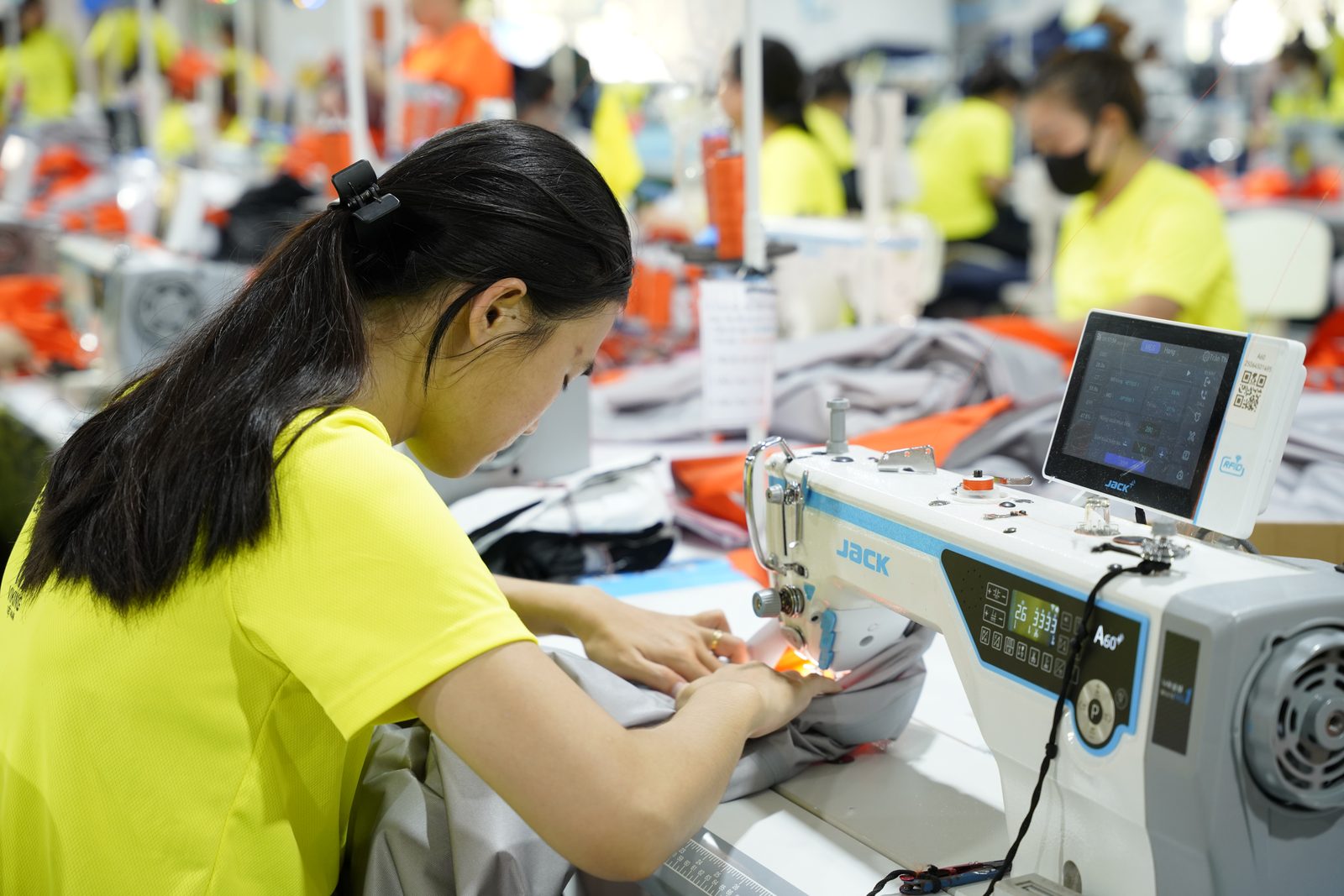
A technical garment line at Viking Vietnam. Every style is run against its own technical file.
Why every style requires its own technical file
Technical products rarely exist as a single order. They form a line that runs across seasons, revisions and successive cost adjustments.
The documentation a customer supplies describes the state the product must reach. It does not usually record 3 categories of information:
-
The basis for each design and material decision.
-
The practical function each detail serves.
-
Alternatives already tested and their outcomes.
These three determine the quality of every subsequent decision. Retaining them in writing is a requirement of the quality management system rather than a matter of individual preference.
Viking therefore maintains a technical file for each style, alongside the documentation supplied by the customer.
Technical file structure: 6 information blocks
|
Block |
Content |
Customer application |
|
1 |
Material, recorded to yarn construction |
Identifying precisely which parameter to adjust |
|
2 |
Three measurable material ratings |
Comparing options using quantitative data |
|
3 |
Trims, specification and selection basis |
Adjusting cost on a fully informed basis |
|
4 |
Design details and their functional purpose |
Preserving design intent across seasons |
|
5 |
Tests performed and test conditions |
Reproducing results in later production batches |
|
6 |
Care instructions and size range |
Ensuring product life matches what is stated |
Blocks 1 and 2 describe the material in quantitative terms. Blocks 3 and 4 record design decisions together with their basis. Blocks 5 and 6 establish the testing reference and conditions of use.
Three principles of technical file preparation
Viking applies 3 consistent principles when preparing a technical file.
Principle 1. Record the basis for each selection, not only the specification
When a trim is selected, the file states the technical basis for that selection, such as fabric thickness or a mechanical strength requirement. This basis allows the impact of any later proposed change to be assessed properly.
Principle 2. Record the functional purpose of every design detail
Each detail is recorded together with the practical function it serves for the user. This principle ensures that functional details are not removed during cost optimisation.
Principle 3. Record test conditions, not only test results
The file states the conditions under which a test was performed, its duration, and whether it was carried out on the finished garment or on a material swatch. Test conditions are what allow a result to be reproduced in subsequent batches.
These principles increase the workload at the development stage. In return, they materially reduce processing time in later seasons.
The technical file within the product development process
The file is created at the sample development stage and updated at the following points:
-
On confirmation of materials and trims.
-
On customer approval of the sample.
-
On completion of the production pattern set.
-
On receipt of test results.
-
On any technical change during production.
The technical standards section is responsible for preparing and updating the file. The Technical Manager is responsible for approval.
The file is retained in accordance with the quality management system and can be retrieved on customer request.
Value to the customer
The technical file is issued with the first shipment and serves 5 purposes:
-
Product development in the following season. All parameters, selection bases and test results are already available.
-
Preparation of sales documentation. The value column describes what each detail delivers to the wearer.
-
Quality comparison between batches. Recorded test conditions allow results to be compared consistently.
-
Provision of documentation to retailers or authorities. Material and testing information follows a consistent structure.
-
Preparation of traceability data. Traceability requirements in the European market continue to expand, and the underlying data must be accumulated over time.
Application in garment factory capability assessment
Within a supplier assessment process, the technical file is a document that demonstrates technical capability directly and verifiably.
Customers may request from Viking:
-
A sample technical file with commercial information redacted.
-
The procedure for preparing and approving files.
-
The retention and retrieval arrangements.
Together these allow an assessment of how systematically a factory operates, before the first order is placed.
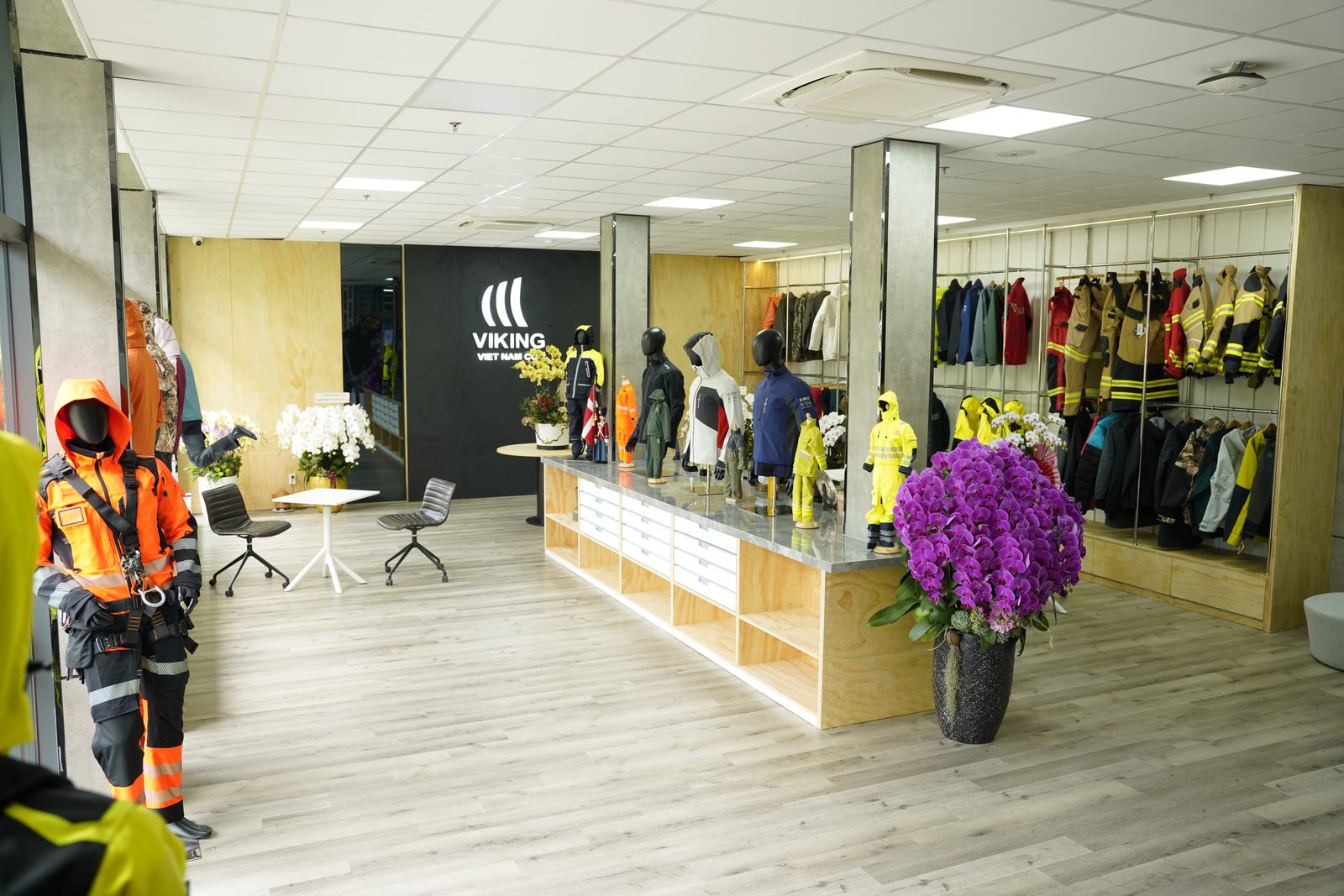
The product display area at the Viking Vietnam factory, where customers compare samples against the technical file.
Let Viking Vietnam accompany your business
If your business is assessing manufacturing partners for a technical product line, please contact us.
Viking will provide a sample technical file for comparison against your own internal standards, together with design consultation, sample development and a quotation.