Explore how Viking Vietnam connects packing instructions, finished garment inspection and QA AQL responsibilities to prepare export orders.
At Viking Vietnam, inspection and packing are built into the production plan once the sample is approved. The process the company presents sets out final inspection before packing, and links the production schedule to labour, warehouse and material allocation. This places completion inside the overall order plan, rather than treating it as work that arises after the sewing line finishes. viking-vietnam.vn
For an international customer, order readiness has to be assessed in both the product and the way it is handed over. Sewn, inspected and fully packed are states that need to be kept apart when discussing progress.
1. Packing requirements are prepared by the technical function
In the division of work at Viking, the technical documentation member is responsible for calculating carton dimensions, bags where applicable, and setting the packing requirement. These tasks sit alongside building consumption figures, material and trim cards, measurement charts and technical standards. viking-vietnam.vn
That assignment creates a point for turning the delivery requirement into working instructions. Packaging dimensions and the packing method have to be considered against the specific product, not chosen by habit from the previous order.
During order development, customer and Viking should agree what has to be confirmed in advance. When the product construction or the delivery arrangement changes, the related packing documents have to be reviewed as well.
2. Finished garment inspection has a defined scope and responsibility
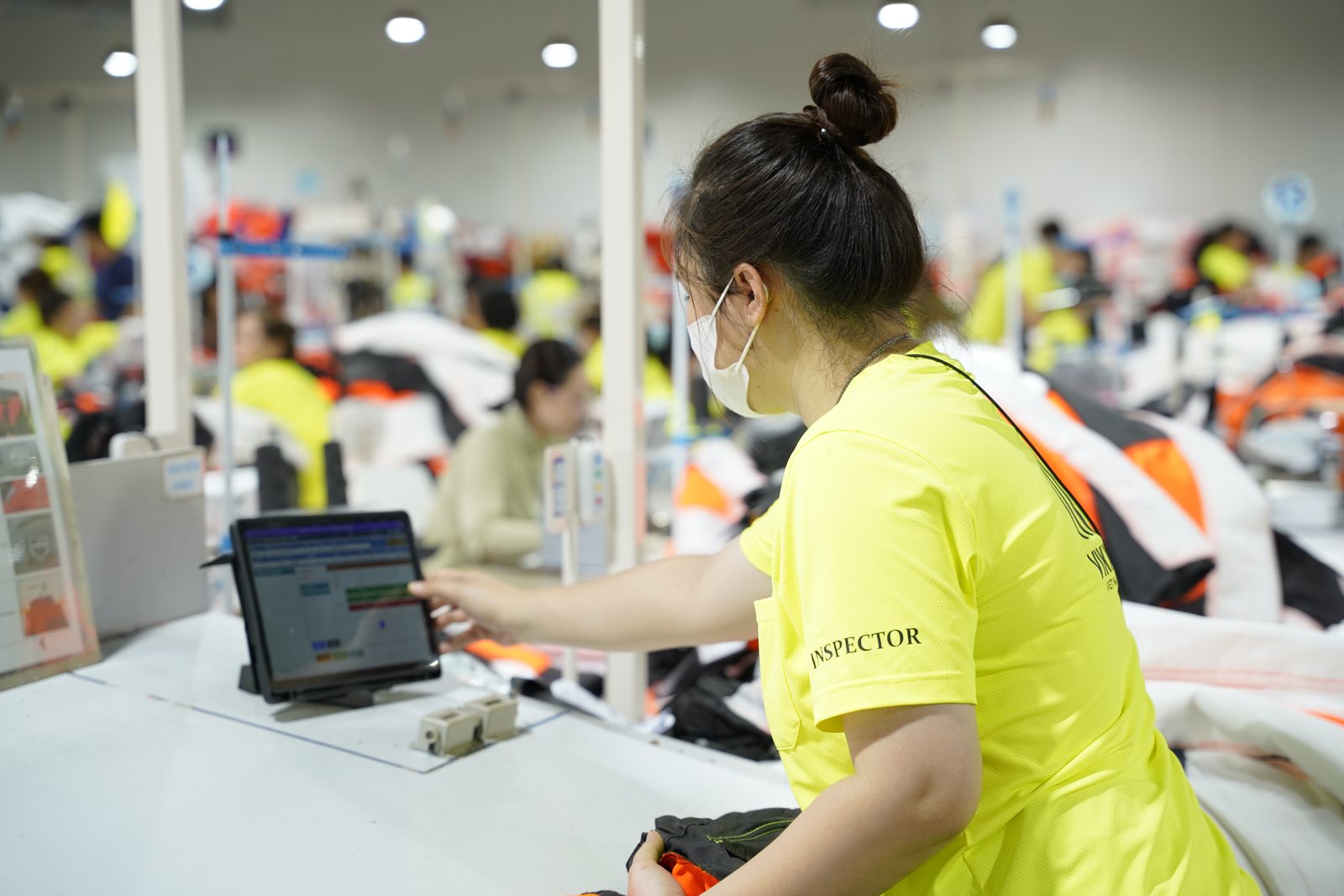
Viking assigns the inspection role the tasks of checking all finished garments, measuring to QC instruction, requesting the line leader to handle defective goods, and reporting inspection results accurately. This is the scope defined for the position, not a commitment that every defect is eliminated absolutely. viking-vietnam.vn
What is notable is that detecting a deviation is connected to responsibility for handling it. A garment that does not conform has to be fed back to the person responsible for production, not only recorded at the inspection table.
For a customer, this separation creates a basis for discussing the actual state: what has been inspected, what still needs handling, and which results can already be confirmed.
3. Folding and carton packing have an approval owner
Within the QA AQL scope, Viking sets out checking and approving folding and carton packing against documents and sample cards. The position is also responsible for controlling finished garment quality, reporting inspection results, and working with the customer's QC or a third party at final inspection. viking-vietnam.vn
How the product is prepared for handover therefore has both a reference to check against and a specialist owner.
In order discussions, both sides have to clarify which packing documents apply, which requirements are specific to this customer, and what has to be confirmed. A product meeting its technical requirement and an order being ready for handover are related, but should not be treated as the same thing.
4. Internal instruction links line inspection to final inspection
Inline QC at Viking does not only check operations and the first line sample. The scope also covers guiding, checking and controlling finished garment quality in the inspection area. Viking also states training and professional development for the position. viking-vietnam.vn
That connection matters for how the standard is conveyed. A finished garment inspector needs a professional basis for recognising and reporting a deviation, not only personal judgement.
When instructing on a style, the content should focus on what has to be compared against the sample, the agreed method of measuring, and the cases that have to be referred to QC. That is how training is tied to the actual task at the final stage.
5. Completion progress has to connect to order management
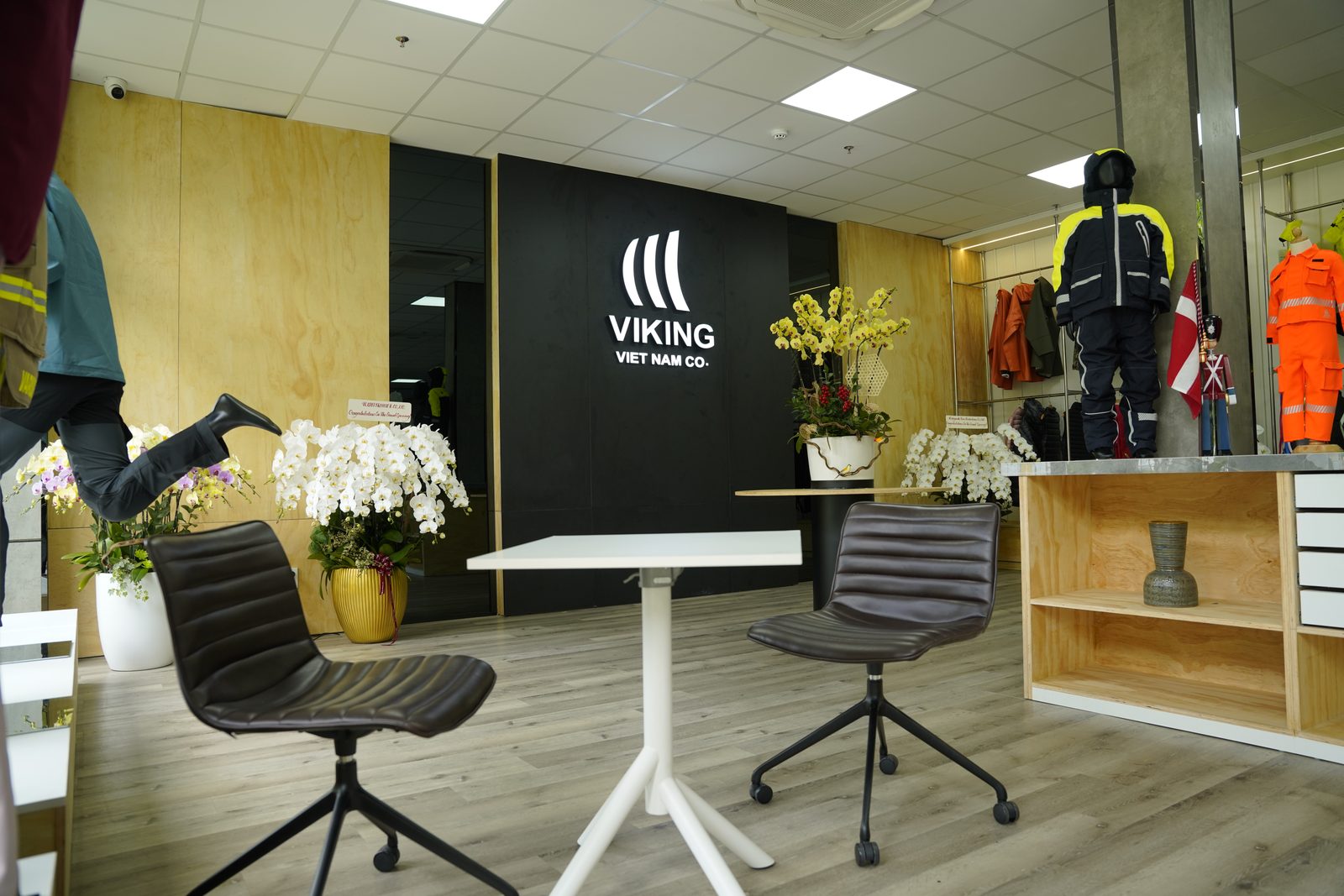
Merchandising at Viking is responsible for receiving and processing orders, coordinating with production, issuing production orders and following progress. The function also takes part in handling quality issues and customer complaints. viking-vietnam.vn
In that role, information from inspection and completion has to be taken into account when updating the state of an order. Reporting only the quantity sewn does not fully answer what remains before handover.
In progress discussions, it helps to separate the quantity completed in production, inspected, still to be handled, and packed. This is a suggested way of presenting the information so the customer reads the state correctly, not a description of a particular tracking form in use at Viking.
6. Quality records have to reflect the actual result
Viking's business ethics policy requires records held by an employee to be complete, accurate, timely and a truthful reflection of actual activity. The policy also defines setting aside poor quality data in order to meet a reporting target as a violation. viking-vietnam.vn
This matters particularly when summarising the state of an order before delivery. Inspection information has to serve a decision, not only the completion of a report.
If something remains unconfirmed, the report has to show it clearly so that it can be followed up. A favourable conclusion without a basis is no substitute for clarity about quality and outstanding work.
7. How a customer can assess completion capability
From the responsibilities Viking publishes, completion involves technical documentation, inline QC, finished garment inspection, QA AQL and merchandising. Each position handles a different part, from the packing instruction through to inspecting finished garments and following the order.
Working with Viking, a customer can focus on three things:
- The basis for execution: which sample and documents are used for inspection, folding and carton packing?
- Confirmation responsibility: who inspects the product, who handles a deviation, and who joins the final inspection?
- Handover state: what is complete, and what still needs a decision or a confirmation?
These questions bring the assessment of capability back to specific work. Confidence is built on clear responsibility and information that can be checked, rather than on a message saying the order is finished.
Connect with Viking Vietnam
Talk to Viking Vietnam about your product requirements, packing specification and pre-shipment inspection approach, so that the way the order is run can be agreed together.
Clarifying these during preparation helps both sides connect finished garment quality with the conditions for handover, and identify exactly what has to be verified before shipment.