In every Viking product file, each specification line sits beside a line describing the value to the wearer. This article explains why, and what it gives the customer's sales team.
Viking Vietnam is a high-end protective clothing factory in Vietnam serving the German, American, Japanese and Nordic markets.
In every product file we build, each specification line sits beside a line describing the value to the wearer.
This article explains why we do this and what it gives the customer.
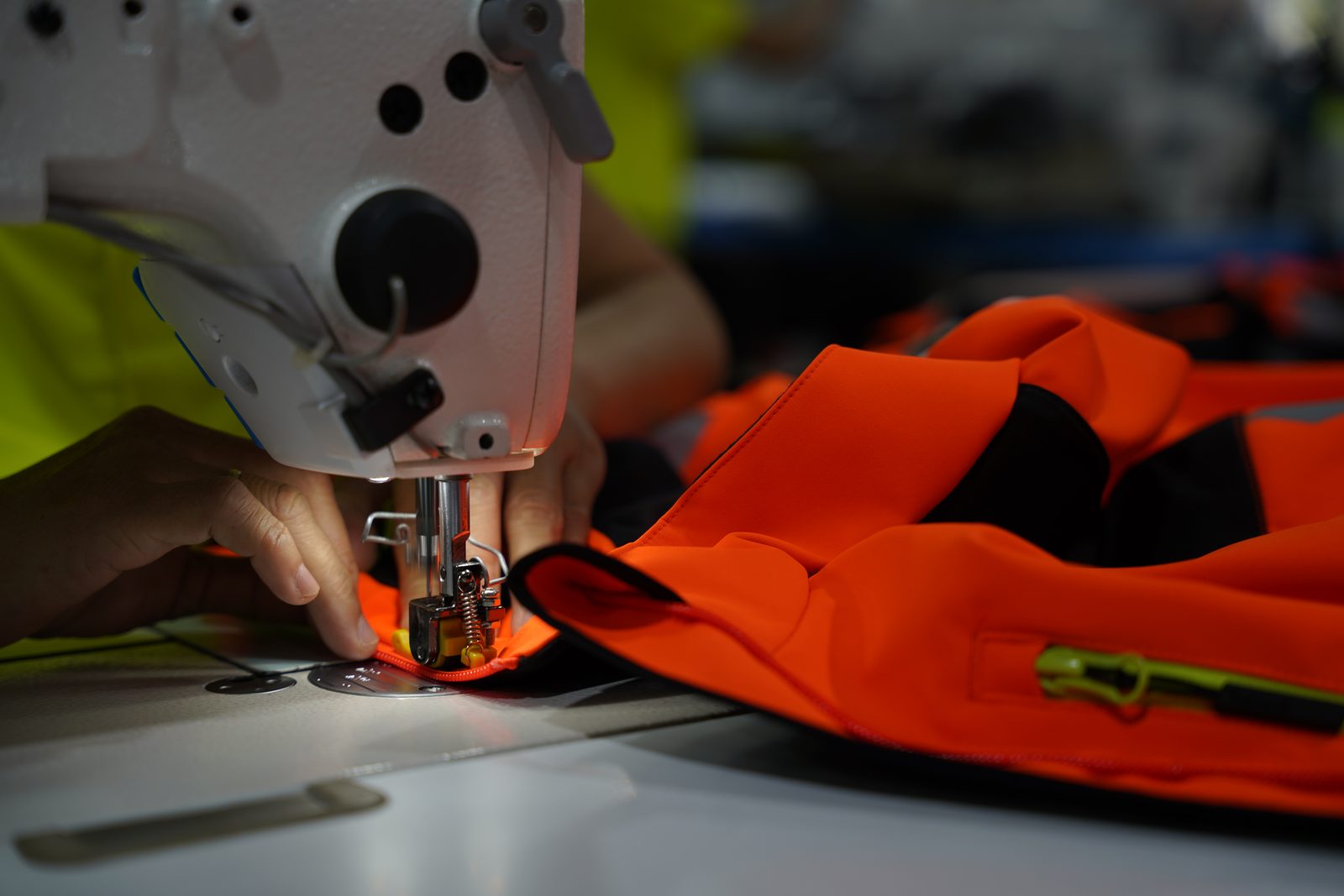
Every detail on the garment has a matching value line in the file.
Where good designs get sold badly
Factories speak in specifications. End buyers care what those specifications deliver.
For example:
-
Specification: pocket lining in 100% polyester tricot fleece, 180 gsm.
-
Value: the lining keeps hands warm when placed in the pocket.
The first line is accurate but says nothing to someone deciding whether to buy. The second is what they understand and remember.
The gap between them is where many good products fail to earn what they are worth.
The two-column rule applies to every specification line
In a Viking file, every specification line must carry a value line. No exceptions.
Three examples from real files:
|
Specification |
Value to the wearer |
|
Back body at the side seam laser cut, double-sided bonded, bar tacks creating 5 evenly spaced openings of 7 to 10 cm depending on size |
Dissipates heat and reduces perspiration during activity |
|
Inner cuff in 4-way stretch fabric, moisture-wicking, fast-drying, with a thumbhole and bar tacks |
Extends warmth to the hand, blocks wind entry, prevents the cuff riding up |
|
Hip pocket with hook-and-loop flap closure and drainage holes at the base |
Secures contents and prevents water pooling in the pocket during sustained rain |
The first column can be written by looking at the product. The second requires knowing the situation the wearer is in. That is the part we have to investigate, and the part worth having.
The principle also filters design
If a detail cannot be given a value line, we review it.
It may be:
-
A design habit.
-
A purely aesthetic element.
-
Something inherited from an earlier version that nobody questioned.
In all three cases it adds material cost and sewing time without adding value for the wearer.
In other words, the two-column rule keeps cost where it belongs.
What the customer receives
-
Sales language already written for every product detail.
-
A basis for deciding what to keep and what to drop when optimising cost next season.
-
Faster complaint resolution. The two columns side by side show whether the issue lies in design, in material, or in expectation.
Three things you no longer have to do yourself
-
No translating specification sheets into customer language.
-
No guessing which details can be cut and which cannot.
-
No lengthy investigation when market feedback arrives.
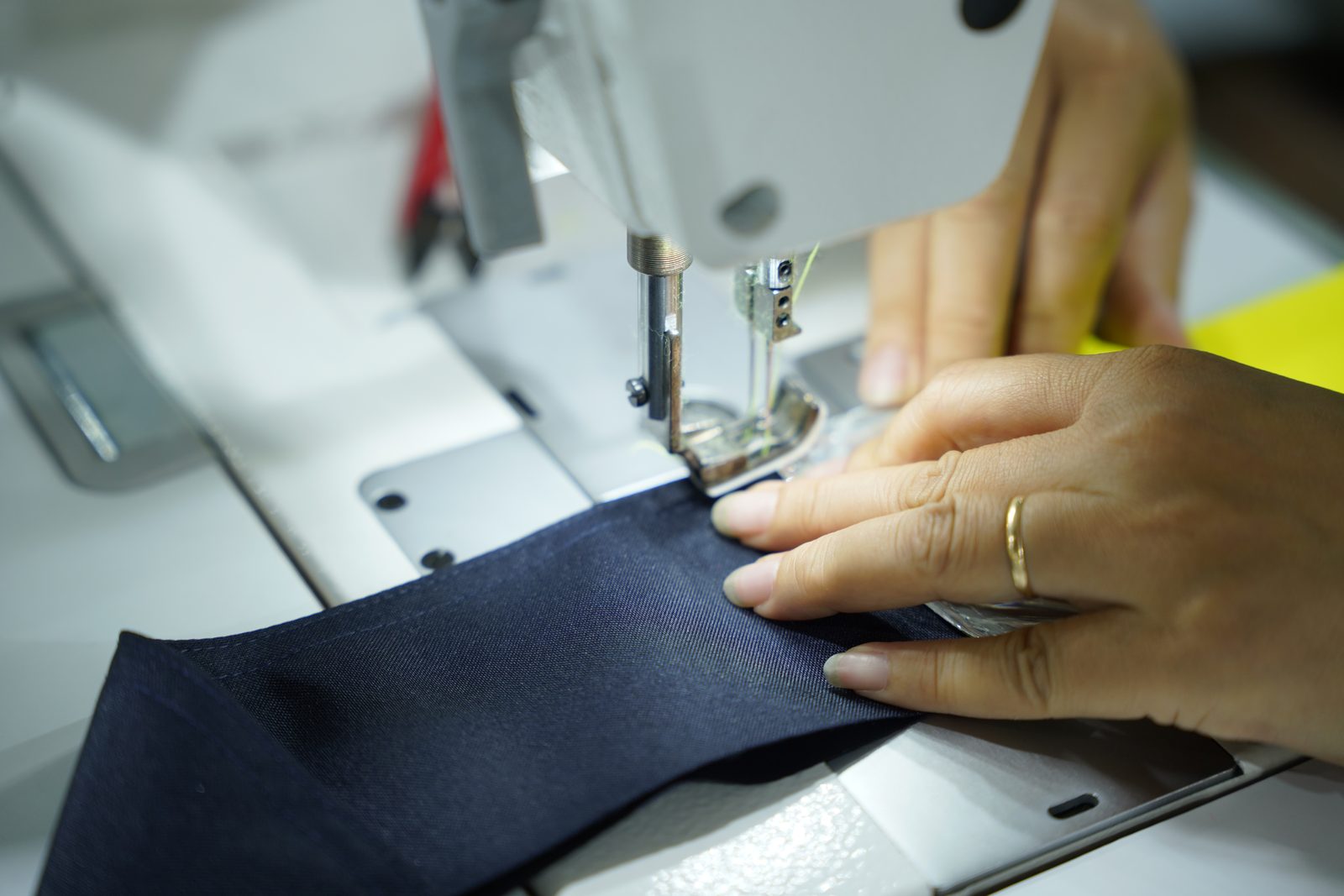
Stitching and reinforcement details are recorded with the function they serve for the wearer.
Let Viking Vietnam accompany your business
If you would like your product line documented in both columns from the development stage onwards, contact us to speak with our technical team.