Seven numbers worth reading each morning and three each week in a technical garment factory, plus the measures that sound impressive while concealing exactly what management needs to see.
A garment factory manager is not short of data. What is missing is a short list of numbers that actually change a decision that day.
Almost every garment factory has reports. Output reports, quality reports, workforce reports, order progress reports. Many factories have dozens of forms.
But try a simple question: last week, did any number in those reports change a decision you made?
If the answer is no, the problem is not a shortage of data. The problem is that data is being collected to report, not to run the factory.
This article gives a concrete list: seven numbers worth reading each morning, three worth reading each week, and the numbers that sound impressive but should not be used.
1. A measure is only worth tracking if it can change today's action
This is the only filter required.
For every number in the morning report, ask: if this number is bad, what will I do differently today?
If there is no answer, that number does not belong in the morning report. It may belong in a monthly review, or nowhere at all.
This test removes most of the content of the reports many factories currently produce, which is exactly the point.
2. The seven morning numbers
Number 1: Yesterday's output against plan, broken down by line.
Total factory output is close to useless for running the operation, because a line running ahead covers for a line running behind and the problem disappears.
What matters is the variance per line. One line 20% short while the others hit plan is a signal to act on today.
Number 2: Defect rate at source, broken down by operation.
An overall defect rate also conceals a great deal. Three percent spread across twenty operations is normal. Three percent concentrated at one operation is a specific problem that can be fixed now.
Three lines are enough: which operation had the most defects yesterday, what type, and what was done.
Number 3: Garments waiting for rework.
This is the most overlooked and most expensive number of the seven.
Work waiting for rework is money already spent that has not become product. If this number climbs steadily day by day, the factory is building a hidden warehouse that never appears in the output report.
Look at both the level and the direction: how many today, and higher or lower than three days ago.
Number 4: Material and trim status for the next three days.
A simple question: between now and the end of the week, will any line stop for want of fabric or trims?
A line stopped for missing materials is the most painful kind of loss, because it was entirely foreseeable. This is the one number that looks forward rather than back.
Number 5: New styles starting on the line today.
Not strictly a number but a short list, and among the most important items here.
Quality and output risk concentrates heavily in the first days of a new style. Knowing which line starts a new style today tells you where to be.
Number 6: Absence, and which positions are uncovered.
The total number of absentees means little. What matters is which position is empty.
An absence at a common operation is easily covered. An absence at an operation only two people can perform is a problem for the whole line that day.
Number 7: Machines down and not yet repaired.
How many machines are waiting for service, and which of them sit at operations with no backup machine.
A seam sealing machine down is not the same as a standard sewing machine down. The report has to distinguish between them.
3. The three weekly numbers
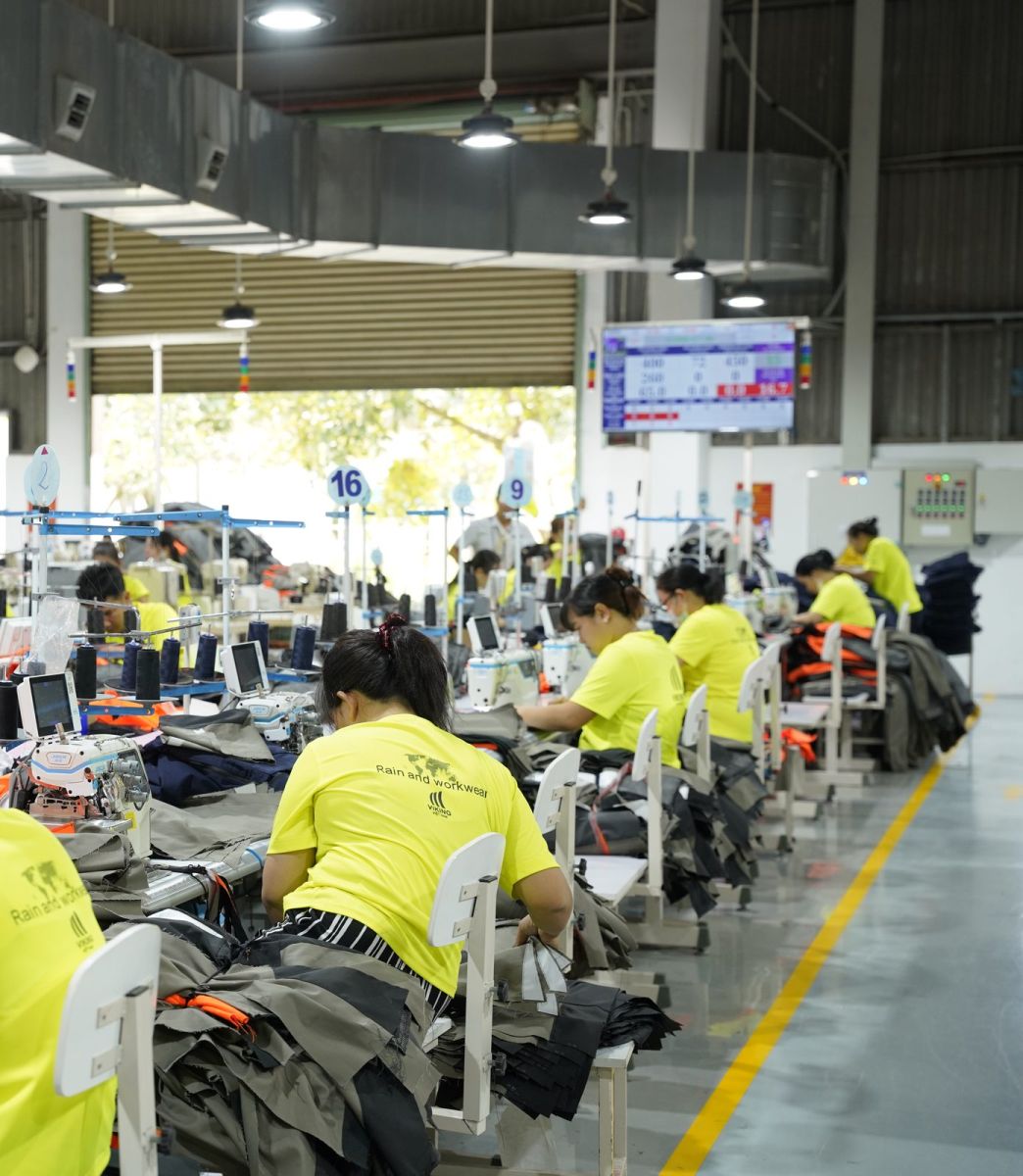
These three do not change today's action, but they show where the system is heading.
On time delivery. Measured against the originally committed date, not against a revised one. This is where many factories fool themselves: if the date is updated each time it slips and performance is measured against the new date, the figure always looks good and always means nothing.
First pass inspection rate. A shipment that passes after a second inspection is not the same as one that passes first time. This measure reflects the real capability of the process.
Open complaints and average resolution time. Not the annual total, but: how many cases are still open, and how long the oldest has been open.
4. Numbers that sound good but should not drive decisions
This part is said plainly, because these measures appear very often in reports and do more harm than good.
- Total factory output. Hides the variance between lines, which is where the real problem sits.
- Average factory efficiency. One line running an easy style lifts the figure and conceals a line in difficulty.
- Defect rate over total output without breaking down by operation. Always looks acceptable, never points to an action.
- Training hours delivered. Measures input, not result. The number that matters is how many people can now perform a new operation.
- Improvement suggestions submitted. Easy to inflate with suggestions nobody implements.
The general rule: any factory-wide average tends to conceal exactly what management needs to see.
5. The one page rule
The morning report should fit on one page and be read in ten minutes.
Not because managers lack time, but for a different reason: a long report will not be read daily, and a report that is not read daily has no operational value.
Three principles keep it to one page:
- Every line must connect to an action possible today.
- Show variance against standard, not every figure collected.
- Adding a new measure requires removing an old one.
The third is the hardest to enforce, and the most important.
6. Data tells you what. Only the floor tells you why
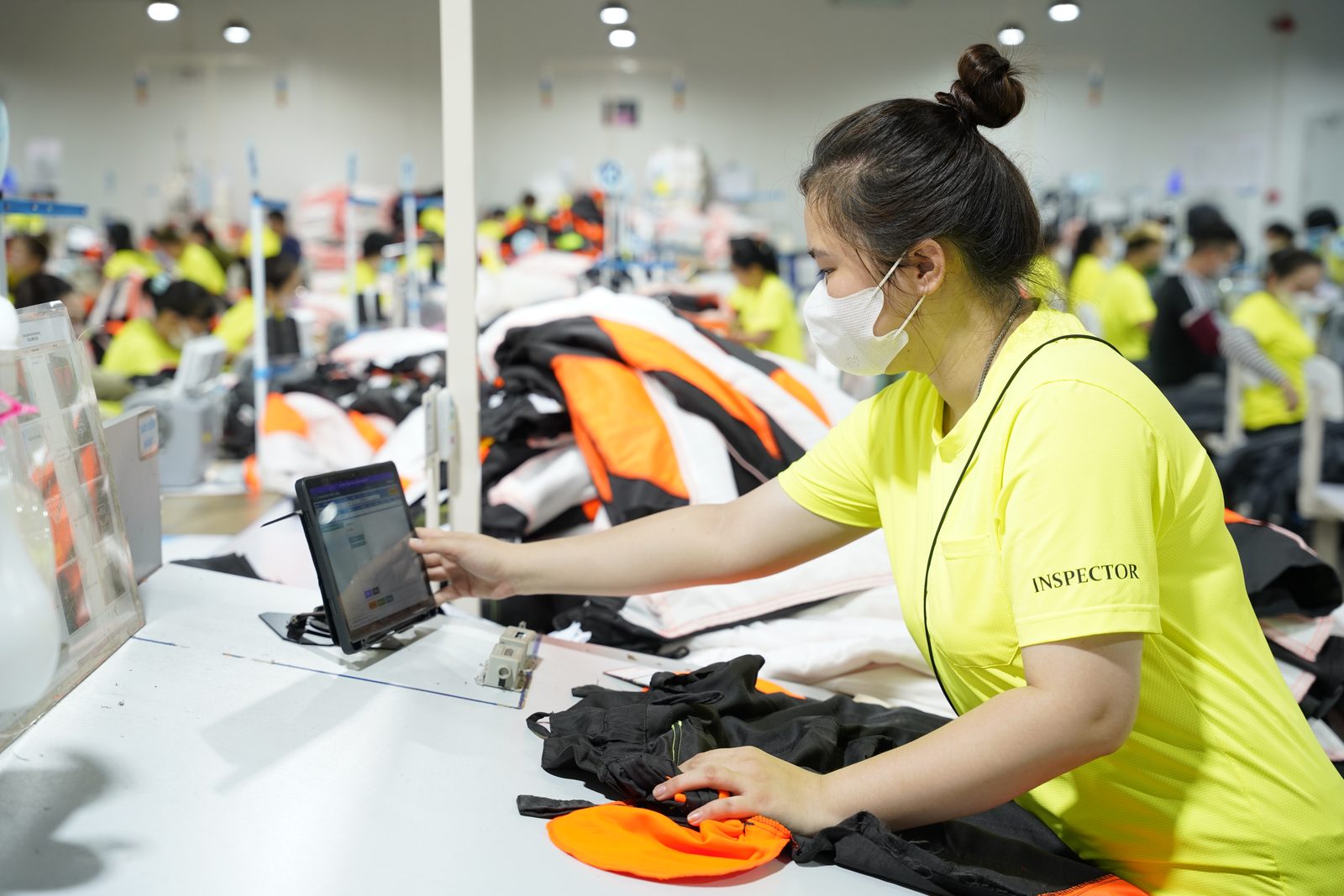
This is the most important part of the article.
The morning report says line 4 is 18% short. It does not say why.
The reason may be: a skilled operator absent at short notice, a fabric lot that behaves differently, an unfamiliar new detail, a machine running intermittently without failing outright, or friction within the team that nobody reported.
No figure conveys any of that. Only going to the line and asking does.
So the purpose of those ten minutes in the morning is not to know the situation. Its purpose is to know where in the factory to stand today.
A good set of measures does not replace walking the floor. It makes walking the floor land in the right place.
7. Where to start if none of this exists yet
No software is needed to begin. Three things are, in this order:
- Agree the naming. Styles, operations, lines and defect types must be called the same thing in every department. Without this, no two sets of figures can be added together.
- Record at a level that allows tracing back. Defects recorded with the operation and the line. Fabric lots linked to styles. Without that detail, nothing can be analysed.
- Choose the right seven measures and keep them unchanged for three months. Constantly changing measures destroys comparability over time, which is the main value of measuring at all.
Software makes this faster. But no software replaces the first two steps, because they are habits rather than technology.
8. Viking Vietnam's approach
Viking Vietnam manufactures high performance apparel, workwear, rainwear, waterproof garments, protective clothing and outdoor apparel for customers in Europe, the United States and Japan.
On these product lines, production data serves two purposes at once: running the operation daily, and tracing back when a customer asks. Viking's approach focuses on:
- Tracking variance per line rather than factory-wide averages.
- Recording defects by operation and by fabric lot, so they can be traced later.
- Treating rework volume as its own measure rather than folding it into output.
- Looking ahead at material status so lines do not stop for missing supply.
- Keeping the morning report short, so it is genuinely used every day.
- Using measures to decide where to be present, not as a substitute for being present.
Summary of operational value
A measure is only worth tracking if it can change today's action.
The points to remember:
- The seven morning numbers: output by line, defects by operation, rework waiting, material status for the next three days, new styles starting, uncovered positions, machines down.
- The three weekly numbers: on time delivery against the original commitment, first pass inspection rate, open complaints.
- Any factory-wide average tends to conceal the real problem.
- The morning report fits one page; adding a measure means removing one.
- Data tells you what is happening; only the floor tells you why.
- Start with consistent naming and detailed recording, before thinking about software.
Connect with Viking Vietnam
Viking Vietnam works alongside international brands and partners in manufacturing high performance apparel, workwear, rainwear, waterproof garments, protective clothing and outdoor apparel. With production data serving both daily operation and traceability, Viking Vietnam is ready to discuss how information is organised across the supply chain.
Contact Viking Vietnam to discuss production data, traceability and progress control for your product line.